
In the dynamic landscape of laboratory biosafety, the need for efficient and reliable sterilization methods is more pressing than ever. Laboratories, especially those operating within demanding environments such as BSL-2 and BSL-3 microbiology labs, face a variety of challenges when it comes to contamination control. Traditional sterilization methods, including alcohol lamps and Bunsen burners, often fall short of the rigorous standards required for modern laboratory workflows. As such, the Micro Incinerator / Infrared Inoculating Loop Sterilizer is gaining popularity in Johannesburg, offering a cleaner, safer, and more efficient alternative.
Understanding the Micro Incinerator Technology
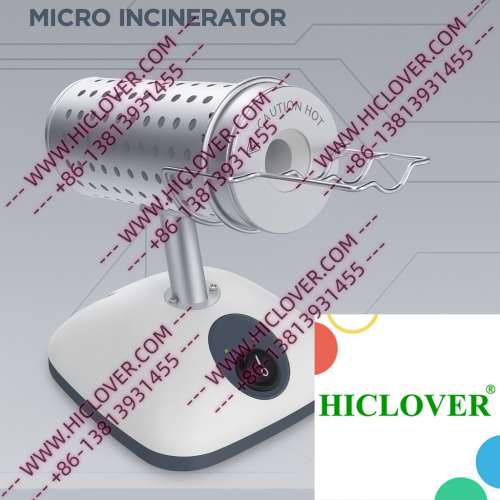
The Micro Incinerator works on the principle of rapid thermal sterilization using infrared heat. It employs an enclosed ceramic heating chamber that can reach high temperatures quickly, achieving effective sterilization without the drawbacks associated with open flames. This technology provides a significant advancement in the sterilization capabilities of laboratories, particularly in settings where safety and efficiency are paramount.
- No open flames: Reduces the risk of fire hazards in laboratories.
- Aerosol-free handling: Prevents the release of particles into the air, maintaining a clean environment.
- Rapid heating: Sterilizes inoculating loops in seconds, saving valuable time.
- Ergonomic design: Ensures ease of use in busy laboratory settings.
Applications in Local Laboratories
Biosafety Cabinet Integration
In Johannesburg’s laboratories, particularly in clinical diagnostics and university teaching labs, the integration of the Micro Incinerator with biosafety cabinets has become a standard practice. These cabinets create a clean environment for handling sensitive materials. The use of an infrared inoculating loop sterilizer ensures that contamination is minimized during procedures. With its rapid heat-up time and compact design, this sterilizer fits seamlessly alongside pipettors and other essential instruments, providing laboratory professionals with a reliable solution for maintaining biosafety standards.
Field Testing Scenarios
In field testing environments, such as those used by NGOs addressing public health issues, the Micro Incinerator’s portability becomes a significant asset. When conducting surveys or studies in remote areas, researchers can rely on this sterilization technology to ensure that their equipment remains free from contamination. With no need for electrical outlets, the Micro Incinerator is adaptable, allowing for consistent sterilization even in less controlled environments.
Compliance and Environmental Considerations
Adherence to biosafety regulations set forth by organizations such as the World Health Organization (WHO) is critical for labs operating in Johannesburg. The Micro Incinerator offers a compliant solution that avoids the use of open flames, making it ideal for clean rooms and other sensitive environments. The sterilizer exceeds several lab sterilization standards, ensuring that labs are equipped to handle both routine and high-stakes scenarios with confidence.
“The integration of innovative technologies like the Micro Incinerator can significantly enhance laboratory safety and efficiency, particularly in the context of rigorous compliance demands.”
Advantages Over Traditional Flame Sterilizers
| Feature | Micro Incinerator | Flame Sterilizers |
|---|---|---|
| Heat Source | Infrared | Open Flame |
| Efficiency | Rapid sterilization | Slower, requires warming up |
| Risk of Contamination | Low | Higher, due to aerosol generation |
| Usability in Sensitive Locations | Ideal for clean rooms | Restricted due to fire hazards |
FAQs About Infrared Inoculating Loop Sterilizers
1. What are the primary benefits of using a Micro Incinerator?
Micro Incinerators provide rapid thermal sterilization without the hazards associated with open flames. They are safer, cleaner, and more efficient, making them a preferred choice for modern laboratories.
2. Can the Micro Incinerator be used in field conditions?
Yes, the Micro Incinerator is portable and can be used effectively in field testing scenarios, ensuring proper sterilization even in remote areas.
3. How does infrared heat improve sterilization compared to traditional methods?
Infrared heat allows for rapid heating of instruments, minimizing the time they are exposed to potential contaminants, thus improving overall sterilization efficacy.
4. Is the Micro Incinerator compliant with WHO regulations?
Yes, the Micro Incinerator adheres to WHO biosafety and lab sterilization standards, making it suitable for use in various laboratory settings.
5. What types of labs can benefit from using the Micro Incinerator?
Biosafety labs, clinical diagnostics, university teaching labs, and field testing laboratories can all benefit from the enhanced safety and efficiency of the Micro Incinerator.
Conclusion
In an era of heightened awareness around infection control and laboratory safety, the Micro Incinerator / Infrared Inoculating Loop Sterilizer emerges as a superior choice for laboratories in Johannesburg and beyond. Its compact design and advanced sterilization technology address the diverse needs of various scientific fields, enhancing safety measures without sacrificing performance. For those looking to enhance their laboratory sterilization processes, we invite you to reach out to us for inquiries or to learn more about integrating the Micro Incinerator into your workflow.
Categories:
Tags: