
In today’s fast-paced laboratory environments, maintaining sterile working conditions poses a significant challenge. With the increasing demands for biosafety and compliance with rigorous sterilization standards, laboratory professionals are continually seeking effective solutions to ensure contamination control. As laboratories strive to meet these efficiency and safety challenges, Micro Incinerators—specifically, the infrared inoculating loop sterilizer—are emerging as a valuable asset in the fight against waste and contamination.
Understanding the Micro Incinerator
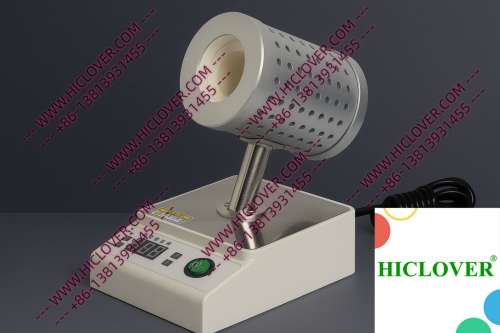
At the heart of the Micro Incinerator’s functionality is its rapid thermal sterilization capability. Utilizing infrared heating elements, this compact device can reach high temperatures necessary for effective disinfection. The enclosed ceramic heating chamber ensures consistent and reliable thermal control, allowing it to efficiently sterilize inoculating loops, needles, and other small laboratory equipment.
Unlike traditional methods such as alcohol lamps or Bunsen burners, which can produce flames and generate aerosols, micro incinerators offer a clean-bench-safe alternative, making them ideal for use in sensitive laboratory environments. The design minimizes the potential for contamination and enhances the safety of laboratory personnel.
Benefits over Traditional Flame Sterilizers
- Safety: No open flame leads to reduced hazards in the laboratory.
- Efficiency: Rapid heating reduces wait times between sterilization cycles.
- Control: Enhanced temperature control prevents overheating and aids in maintaining sterility.
- Environmentally Friendly: Reduced carbon emissions compared to traditional methods.
Application Scenarios of Micro Incinerators
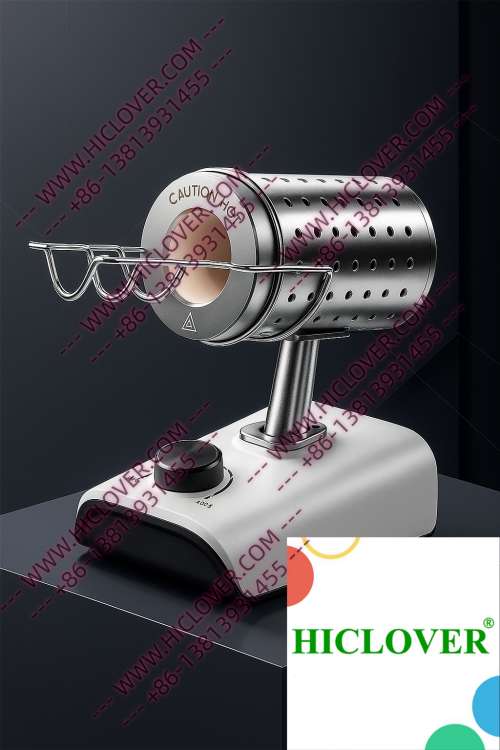
Micro Incinerators find extensive use in various laboratory settings, each tailored to meet specific sterilization workflow demands.
1. University Teaching Labs
In educational settings, microbiology courses require hands-on training for students. The Micro Incinerator provides a controlled environment for students to practice sterilization techniques without the risks associated with traditional flame methods. The compact design allows for easy integration into laboratory workstations, promoting a safe and effective learning experience.
2. BSL-2 and BSL-3 Laboratories
In secure laboratories, where the handling of pathogens requires stringent sterilization protocols, micro incinerators offer a reliable solution for quickly sterilizing equipment. Their use within biosafety cabinets ensures that operators can maintain sterility without the aerosols associated with open flames, thus considerably enhancing biosafety compliance in accordance with WHO recommendations.
Compliance and Environmental Considerations
The World Health Organization (WHO) and various lab sterilization standards mandate rigorous protocols to ensure safe and effective sterilization practices. Compliance with these guidelines is critical in preventing contamination and spread of infectious agents. Micro Incinerators ensure compliance by offering a flame-free operation, which is especially vital in clean rooms and high-containment laboratories where aerosol-generating procedures must be avoided.
In addition to meeting biosafety standards, micro incinerators contribute to reducing the carbon footprint of laboratory operations. By minimizing energy consumption and avoiding the combustion of flammable materials, these devices represent a cleaner alternative to traditional sterilization methods.
Comparison Table: Micro Incinerator vs. Traditional Flame Burners
| Feature | Micro Incinerator | Traditional Flame Burners |
|---|---|---|
| Safety | No open flame | Exposed flame |
| Temperature Control | Precise, regulated | Less precise |
| Environmental Impact | Lower emissions | Higher emissions |
| Ease of Use | One-touch operation | Requires careful handling |
Frequently Asked Questions (FAQs)
1. What types of laboratories benefit most from using a Micro Incinerator?
Micro incinerators are especially beneficial in BSL-2 and BSL-3 laboratories, educational teaching labs, and for field testing applications.
2. How does an infrared inoculating loop sterilizer work?
The device uses infrared heat to quickly and effectively raise the temperature of the inoculating loop or needles for sterilization, preventing the spread of contaminants.
3. Are Micro Incinerators compliant with WHO standards?
Yes, Micro Incinerators adhere to WHO biosafety guidelines and help ensure a safe working environment.
4. What are the benefits of using a Micro Incinerator over traditional burners?
Micro Incinerators offer superior safety with no open flames, faster sterilization times, and reduced environmental impact.
5. Can Micro Incinerators be used in clean rooms?
Yes, the flame-free operation of Micro Incinerators makes them ideal for clean room applications where contamination control is critical.
Conclusion
The capabilities of Micro Incinerators, especially the infrared inoculating loop sterilizer, play a pivotal role in addressing America’s waste crisis and enhancing laboratory safety. With their efficient design, regulatory compliance, and superior sterilization features, these devices mark a significant advancement over traditional flame sterilizers. If you are looking to improve your laboratory sterilization processes and enhance biosafety, consider integrating a Micro Incinerator into your workflow. Feel free to contact us today to learn more about our offerings and how they can benefit your laboratory environment.
Categories:
Tags: