
In an era where laboratory biosafety challenges are paramount, having reliable sterilization equipment is critical. Micro incinerators, specifically the Micro Incinerator / Infrared Inoculating Loop Sterilizer, are emerging as indispensable tools in modern laboratories. They meet the increasing demands for sterilization workflows while ensuring safety and compliance in various settings from BSL-2 to BSL-3 microbiology labs.
The Biosafety Challenge in Laboratory Settings
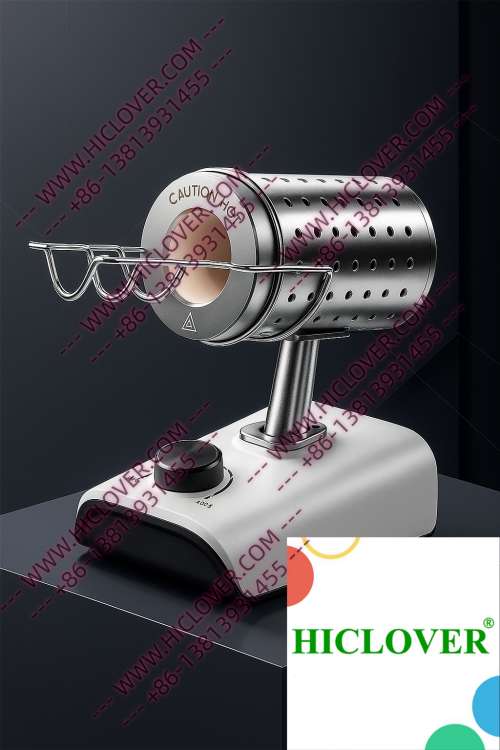
Laboratories worldwide face the challenge of maintaining a sterile environment to prevent contaminations that can compromise results and safety. Traditional flame sterilizers such as alcohol lamps and Bunsen burners, while common, present significant safety hazards. They produce open flames, which not only pose a fire risk but can also lead to harmful aerosols, affecting air quality and safety in biosafety cabinets or clean rooms.
Technical Principle of Micro Incinerators
The Micro Incinerator operates on the principle of rapid thermal sterilization, utilizing infrared technology to heat an enclosed ceramic tube. This design allows for high-temperature disinfection without the risks associated with open flames. The infrared heating element activates quickly, achieving sterilization temperatures efficiently, making it ideal for aerosol-free handling.
Configuration of the Micro Incinerator
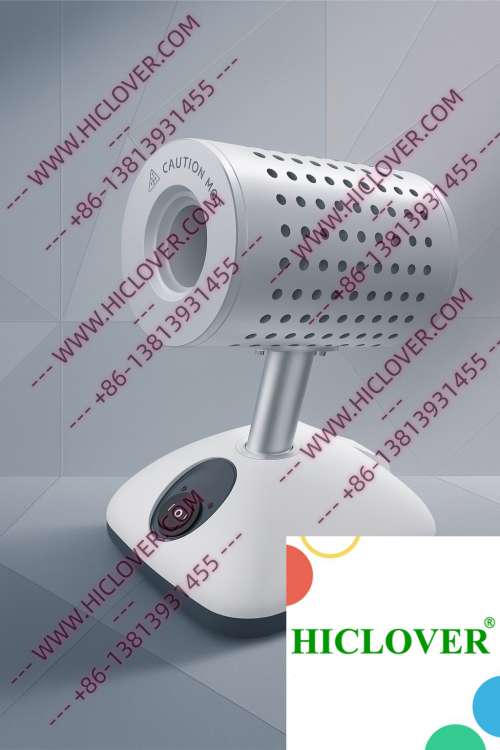
Featuring a compact and ergonomic design, the Micro Incinerator is user-friendly, which lends itself well to operation in various laboratory environments. The enclosed heating chamber provides safe handling of inoculating loops and other laboratory instruments, ensuring that contamination risks are minimized. The lightweight construction facilitates easy maneuverability from one workspace to another.
Applications in Real Labs
1. Biosafety Cabinets
In BSL-2 and BSL-3 microbiology labs, controlling contamination is vital. Micro incinerators are perfect for use within biosafety cabinets where environmental cleanliness must be preserved. Instead of using traditional flame sterilizers, lab technicians can employ micro incinerators to decontaminate tools quickly while eliminating any risk of flame-induced accidents. This method not only enhances safety but also improves workflow efficiency in sterile environments.
2. Mobile or Field Testing Labs
Beyond traditional laboratories, micro incinerators are also suited for mobile or field testing setups. In situations where immediate sterilization is needed, such as in outbreak investigations or in areas lacking laboratory facilities, these devices provide rapid and effective solutions. Researchers can confidently manage samples on-site without the constraints and risks associated with flames, ensuring strict adherence to biosafety norms.
Biosafety Compliance and Environmental Considerations
Adhering to biosafety regulations is crucial in any laboratory setting, and the use of micro incinerators aligns with the World Health Organization (WHO) biosafety standards. With their design eliminating the need for flames, micro incinerators are compliant with concepts in laboratory sterilization standards that require safe thermal disinfection methods. This feature is particularly crucial in clean rooms or environments needing utmost control over contaminants.
Traditional Flame Sterilizers vs. Micro Incinerators
| Features | Flame Sterilizers | Micro Incinerators |
|---|---|---|
| Open Flame | Yes | No |
| Temperature Control | Varies | Stable & Rapid |
| Ease of Use | Requires ignition | User-Friendly |
| Risk of Aerosols | High | Minimal |
| Environmental Compliance | Limited | High |
FAQs
- What are the primary benefits of using a Micro Incinerator?
The Micro Incinerator offers rapid sterilization without the hazards of flames, ensuring efficacy and compliance with biosafety norms. - Can micro incinerators be used in teaching labs?
Yes, their safety and efficiency make them ideal for educational settings where students are learning about sterile techniques. - How does the infrared technology work for sterilization?
The infrared technology quickly heats the enclosed ceramic tube, ensuring high temperatures for effective sterilization of instruments. - Are micro incinerators portable?
Yes, their compact and lightweight design allows for easy transport, making them suitable for field testing applications.
Conclusion
As laboratories continue to evolve, the need for safe, efficient sterilization methods becomes increasingly crucial. The adoption of micro incinerators exemplifies a forward-thinking solution to traditional laboratory sterilization challenges. With their compliance to safety regulations, ease of use, and efficiency, Micro Incinerator / Infrared Inoculating Loop Sterilizers are redefining the way sterilization is approached in healthcare settings. For distributors, healthcare facilities, and educational institutions looking to enhance their sterilization protocols, investing in a micro incinerator could represent a significant step towards achieving laboratory safety and efficiency. Reach out today to learn more about this essential laboratory tool!
Categories:
Tags: