
In recent years, laboratory biosafety challenges have prompted research centers and universities across the Netherlands to seek innovative solutions for sterilization processes. As laboratories handle increasingly diverse biological materials, the demand for effective sterilization techniques has never been more critical. Traditional methods such as alcohol lamps and Bunsen burners pose risks related to flame safety, incomplete sterilization, and environmental contamination. This brings us to the rise of micro incinerators, particularly the Micro Incinerator / Infrared Inoculating Loop Sterilizer, which is revolutionizing the laboratory sterilization landscape.
Technical Principles of Micro Incinerators
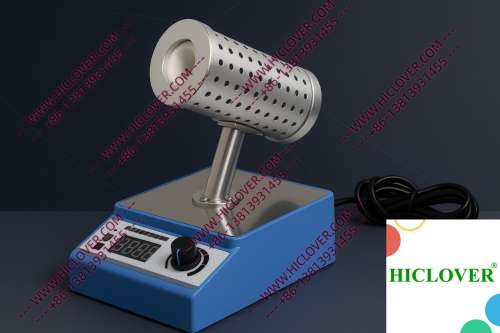
Micro incinerators operate on the principle of rapid thermal sterilization using infrared heat. These specialized devices feature a ceramic heating chamber that efficiently produces high-temperature disinfection without producing harmful aerosols. By encasing the heating element within an enclosed ceramic tube, micro incinerators ensure that sterilization occurs swiftly and effectively while minimizing potential exposure to laboratory personnel. This advanced technology is a significant upgrade over traditional flame sterilizers, providing safety and reliability, particularly in strict biosafety environments.
Applications in Real Laboratories
Application Scenario 1: Biosafety Cabinet
In a BSL-2 microbiology lab, safe handling of pathogenic microorganisms is paramount. Researchers utilizing a biosafety cabinet for working with sensitive cultures benefit from implementing a micro incinerator as part of their sterilization workflow. When inoculating loops require sterilization between sampling, a quick heat cycle of the micro incinerator ensures that the loops are free of contaminants, enhancing experimental reliability while keeping personnel safe from potential exposure.
Application Scenario 2: University Teaching Labs
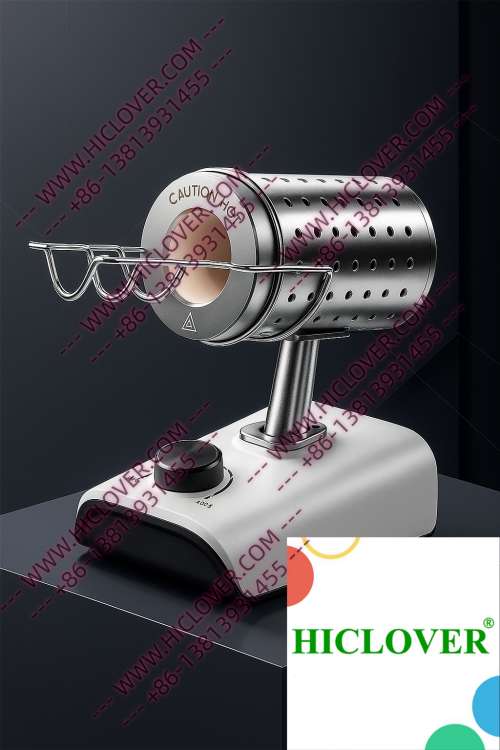
University laboratories tasked with educating the next generation of scientists must prioritize effective sterilization methods. In teaching settings, the Micro Incinerator serves as a valuable tool, enabling students to observe safe sterilization in action. This hands-on experience equips future researchers with the knowledge and skills to implement biosafety protocols effectively in their careers. Moreover, the compact design and ease of use make it an ideal solution for teaching environments where multiple sterilization tasks are required.
Compliance and Environmental Impact
Compliance with WHO biosafety standards and lab sterilization regulations is essential for any research facility. The increasing pressure on laboratories to maintain strict contamination control practices has led regulatory bodies to reconsider traditional sterilization methods. Flame sterilizers often produce harmful emissions and residue, necessitating improved alternatives. Micro incinerators meet these demands, providing a flame-free solution that complies with clean room protocols, ensures aerosol-free handling, and enhances overall laboratory safety.
- WHO Sterilization Guidelines
- Biosafety Cabinet Requirements
- Clean Room Standards
Advantages Over Traditional Flame Sterilizers
Micro incinerators provide numerous advantages when compared with traditional flame sterilizers:
| Feature | Micro Incinerator | Flame Burner |
|---|---|---|
| Operating Temperature | Up to 800°C | Variable |
| Safety | Flame-free, reduced risk of fire | Risk of burns and ignition |
| Aerosol Production | None | Significant |
| Ease of Use | Touch button operation | Requires careful handling |
| Speed | Instant sterilization | Variable ignition time |
FAQs About Micro Incinerators
- What types of materials can be sterilized using a micro incinerator?
Micro incinerators can effectively sterilize inoculating loops, needles, and small lab instruments that require high-temperature disinfection. - How does the micro incinerator ensure compliance with safety standards?
The device adheres to WHO biological safety guidelines, minimizing the risk of flame-related incidents while maintaining cleanliness in laboratory settings. - What is the typical lifespan of a micro incinerator?
With proper maintenance, micro incinerators are designed to last several years within a busy laboratory environment. - Can micro incinerators be used in field testing environments?
Yes, their compact design makes them ideal for mobile labs, where sterilization must occur in the field without compromising safety.
Conclusion
As the need for effective sterilization methods grows, micro incinerators are poised to become indispensable tools in laboratories across the Netherlands and beyond. Their numerous benefits over traditional flame sterilizers, combined with compliance to stringent biosafety standards, make them an excellent choice for research facilities, universities, and clinical diagnostics. For those seeking to enhance their sterilization workflow with cutting-edge technology, exploring the various models of micro incinerators will prove invaluable. Contact us today or request a quote to learn more about integrating this innovative solution into your laboratory practices.
Categories:
Tags: