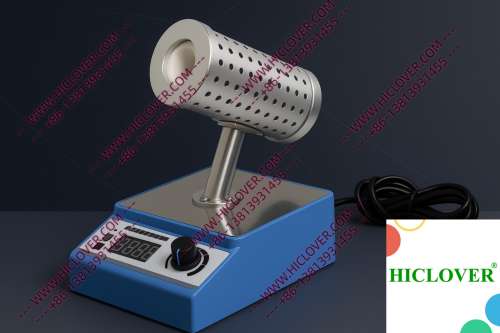
In today’s laboratory environments, maintaining a pristine workspace is critical for reliable research outcomes. Laboratory biosafety challenges such as contamination control can significantly hinder experimental results. Sterilization workflows, particularly those involving microbiological studies, must adapt to ensure that the highest standards of hygiene are met. This necessity has led to an increased reliance on advanced laboratory sterilization equipment, particularly the Micro Incinerator or Infrared Inoculating Loop Sterilizer, which offers a modern solution to traditional flame sterilizers.
Technical Principles of Infrared Inoculating Loop Sterilizers
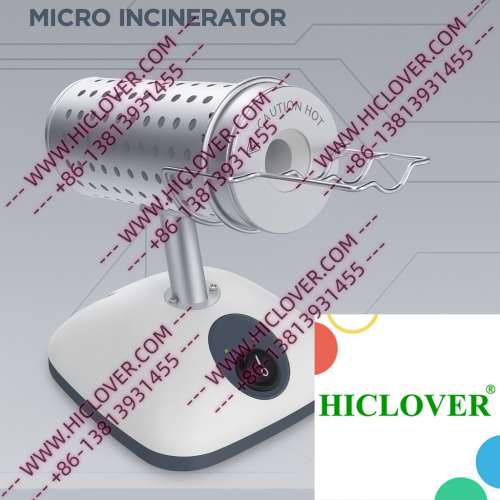
The Micro Incinerator utilizes a sophisticated infrared heating mechanism to achieve rapid thermal sterilization. Unlike conventional methods that employ open flames, this device operates within an enclosed ceramic tube, ensuring user safety and enhancing efficiency during a sterilization cycle.
- Infrared Heat: The method produces high temperatures rapidly, allowing for immediate sterilization of inoculating loops and other equipment.
- Ceramic Heating Chamber: This design is not only compact but also retains heat exceptionally well, promoting consistent sterilization across multiple uses.
- Aerosol-Free Handling: The enclosed design minimizes the risk of harmful aerosols, a crucial advantage in sensitive microbiology labs.
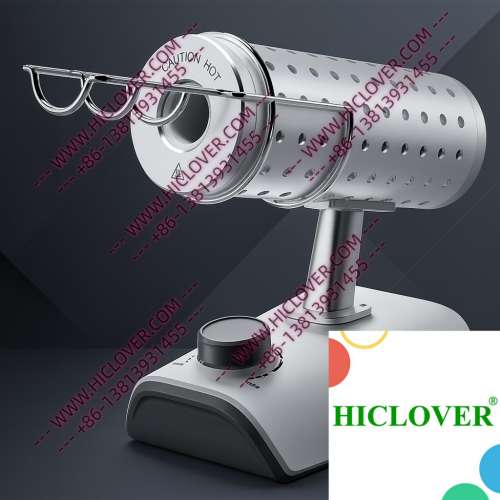
These technical principles set the Micro Incinerator apart from traditional alcohol lamps or Bunsen burners, which can present significant safety risks, such as flammable fumes and uncontrolled heat sources.
Application Scenarios
1. Laboratory Work within BSL-2 and BSL-3 Facilities
In clinical diagnostics and microbiology labs classified under biosafety levels BSL-2 and BSL-3, the need for stringent sterilization practices is paramount. The Micro Incinerator’s quick, effective sterilizing capabilities ensure that any tools or loops used during culture transfers do not contribute to contamination. Its use within a biosafety cabinet reduces exposure risks while adhering to strict laboratory protocols.
2. University Teaching Laboratories
In educational settings, the Micro Incinerator serves as an excellent learning tool for students training in microbiology. Its straightforward operation paired with rapid sterilization allows educators to focus more on teaching and less on managing safety hazards. By using this technology, students can safely practice techniques without the distractions and dangers associated with open flames.
Biosafety Compliance and Environmental Considerations
Global health organizations, such as the World Health Organization (WHO), emphasize the importance of biosafety in laboratory power. Compliance with laboratory sterilization standards is not merely a recommendation but a requirement for facilities aiming to perform microbiological research responsibly. Infrared sterilizers are particularly advantageous in clean rooms where the risk of combustion is high, and regulations often prohibit open flames.
Implementing flame-free sterilization methods such as the Micro Incinerator not only aligns with regulatory standards but also ensures cleaner working environments essential for research integrity.
Comparison Overview: Micro Incinerator vs. Flame Burners
| Feature | Micro Incinerator | Flame Burners |
|---|---|---|
| Safety | Enclosed design, aerosol-free | Open flame, high risk of ignition |
| Efficiency | Rapid thermal sterilization | Longer heating times |
| Ease of Use | User-friendly operation | Requires skill to manage flame |
| Environmental Impact | Low emissions | Produces combustion byproducts |
Frequently Asked Questions
What types of loops can be sterilized using the Micro Incinerator?
The Micro Incinerator can effectively sterilize various types of loops, including metal inoculation loops and spreaders commonly used in microbiological practices.
Is the Micro Incinerator suitable for field testing laboratories?
Yes, due to its compact and portable design, the Micro Incinerator is ideal for field testing labs where traditional flame burners may not be viable.
How long does a typical sterilization cycle take?
Typically, the sterilization cycle lasts only a few seconds, drastically reducing wait times compared to other manual sterilization methods.
Does the Micro Incinerator require special maintenance?
The device requires minimal maintenance; it is advisable to clean the heating chamber regularly to ensure optimal performance.
Can the Micro Incinerator be used in clean room environments?
Absolutely! Its flame-free operation makes it perfectly suited for clean rooms where controlling contamination is crucial.
Conclusion
In conclusion, the Micro Incinerator or Infrared Inoculating Loop Sterilizer exemplifies modern advancements in laboratory sterilization equipment. Its safety, efficiency, and adherence to biosafety standards make it a highly advantageous choice over traditional flame sterilizers. By investing in this innovative technology, laboratories can enhance their sterilization workflows while prioritizing user safety and compliance with industry standards.
For laboratories seeking reliable and effective sterilization solutions, the Micro Incinerator is an excellent choice. Reach out to us today to learn more about how this product can meet your laboratory’s sterilization needs.
Categories:
Tags: