
In today’s laboratory environment, biosafety challenges and sterilization workflow demands are becoming increasingly precise and critical. Laboratories operate under stringent sterilization protocols to prevent contamination and ensure the safety of both personnel and experiments. Traditional methods like alcohol lamps and Bunsen burners have been the go-to solutions for many years; however, their limitations in terms of efficiency and safety have led to the rising popularity of advanced options, such as Micro Incinerators or Infrared Inoculating Loop Sterilizers.
Understanding Micro Incinerators
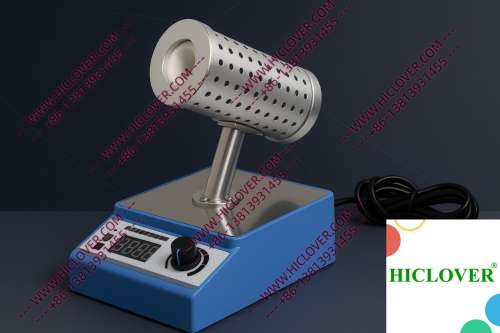
Micro Incinerators utilize infrared heat to provide rapid thermal sterilization, effectively eliminating microbial contamination through high-temperature disinfection. The principle behind these devices involves a ceramic heating chamber that generates intense infrared radiation to achieve sterilization within seconds. Unlike traditional flame-based approaches, Micro Incinerators are enclosed units that promote a safe and controlled environment for sterilization.
Key Features of Micro Incinerators
- Rapid sterilization time: Achieves temperatures above 800°C in seconds.
- Aerosol-free handling: Reduces the risk of airborne contamination.
- Safe for clean bench environments: Eliminates the use of open flames.
- Low energy consumption: Eco-friendly operation with minimum resource wastage.
- Portability: Ideal for both stationary and mobile laboratory applications.
Applications of Micro Incinerators
Micro Incinerators are versatile tools that find applications in various laboratory settings, enhancing biosafety and operational efficiency.
1. Biosafety Cabinets and Clean Rooms
In BSL-2 and BSL-3 microbiology labs, the need for sterile workspaces is paramount. Placing a Micro Incinerator within a biosafety cabinet allows researchers to efficiently sterilize inoculating loops and tools without the dangers associated with open flames. This integration ensures that the work environment remains uncontaminated and complies with rigorous biosafety standards.
2. Field Testing Laboratories
In mobile or field-testing labs, where traditional sterilization options may be impractical, Micro Incinerators provide a compact and reliable solution. For instance, when conducting clinical diagnostics in remote locations, these devices allow for safe and efficient loop sterilization, ensuring accurate results while maintaining biosafety protocols.
Compliance and Environmental Impact
Adhering to WHO biosafety regulations and laboratory sterilization standards is essential in maintaining a safe environment for both personnel and the public. Unlike traditional flame-based sterilizers which can compromise air quality and pose significant fire hazards, Micro Incinerators are designed to operate without open flames, thus preventing potential accidents in clean rooms or laboratories requiring controlled environments.
Furthermore, these devices are compliant with stringent safety guidelines, ensuring that research institutions and healthcare facilities can maintain their commitment to protecting both public health and the environment.
Comparison: Micro Incinerator vs. Traditional Flame Burners
| Feature | Micro Incinerator | Traditional Flame Burner |
|---|---|---|
| Sterilization Time | Seconds | Minutes |
| Open Flame Concern | No | Yes |
| Aerosol Production | Minimal | High |
| Energy Efficiency | High | Lower |
| Portability | High | Variable |
Frequently Asked Questions
What is a Micro Incinerator?
A Micro Incinerator is a laboratory sterilization device that utilizes infrared heat to rapidly sterilize inoculating loops and other pre-sterilized equipment within seconds without the risks associated with open flames.
Can Micro Incinerators be used in BSL-2 and BSL-3 labs?
Yes, Micro Incinerators are ideal for BSL-2 and BSL-3 environments as they ensure a safe, aerosol-free sterilization process while protecting personnel and maintaining compliance with biosafety protocols.
How does a Micro Incinerator contribute to environmental safety?
By eliminating the need for flame-based sterilization methods, Micro Incinerators reduce the risk of airborne contamination and improve the overall safety of the laboratory environment.
What are the primary benefits of using a Micro Incinerator over traditional flame sterilizers?
The primary benefits include significantly faster sterilization times, reduced fire hazards, no aerosol production, improved energy efficiency, and greater portability for various laboratory settings.
Are Micro Incinerators suitable for field testing operations?
Yes, Micro Incinerators’ compact design and rapid sterilization capabilities make them particularly suitable for field testing laboratories, ensuring reliable results even in remote locations.
Conclusion
As laboratories strive to improve biosafety and achieve compliance with stringent sterilization standards, integrating Micro Incinerators into their operations presents a clear advantage. With their rapid thermal sterilization capabilities and safety features, Micro Incinerators not only enhance the workflow efficiency but also contribute to a contaminant-free environment. For laboratories looking to augment their sterilization processes, investing in a Micro Incinerator is a forward-thinking choice. Contact us today to learn more or to make a purchase that will elevate your laboratory’s safety and efficacy!
Categories:
Tags: