
Laboratories are places of innovation and discovery, but they also come with significant biosafety challenges. Ensuring contamination control while maintaining an efficient sterilization workflow is paramount in any lab setting. With the rise of stringent biosafety regulations and the need for safe, effective waste disposal methods, advanced sterilization equipment, such as Micro Incinerators, have emerged as essential tools for modern laboratories. This article explores the technical principles, applications, and compliance requirements associated with these innovative devices, particularly the Infrared Inoculating Loop Sterilizer.
Technical Principles of Micro Incinerators
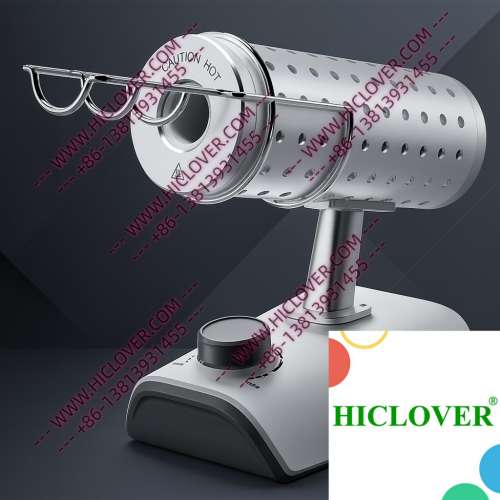
Micro Incinerators utilize infrared heat technology to achieve rapid thermal sterilization. Unlike traditional flame sterilizers like alcohol lamps or Bunsen burners, which can produce dangerous open flames, micro incinerators operate through an enclosed ceramic heating chamber. This design not only ensures a high-temperature disinfection process but also controls the sterilization environment, resulting in a cleaner and safer method of sterilization.
- Infrared High-Temperature Disinfection: Generates consistent heat quickly, optimizing sterilization times.
- Enclosed Ceramic Tube: Minimizes the risk of aerosol generation, enhancing biosafety.
- Temperature Control: Provides reliability in sterilization protocols, crucial for sensitive lab processes.
The controlled temperature of micro incinerators can exceed 800 degrees Celsius, far surpassing the requirements for effective sterilization. This feature is particularly important in environments like BSL-2 and BSL-3 microbiology labs, where stringent contamination controls are necessary.
Applications of Micro Incinerators
Micro incinerators are flexible and adapt to various lab settings. Here are two real-world applications:
Application Scenario 1: Biosafety Cabinets
In BSL-2 laboratories, maintaining a sterile environment while conducting experiments is non-negotiable. Micro Incinerators can be integrated into biosafety cabinets, allowing researchers to sterilize inoculating loops and tools right within the protected environment. This method reduces the risk of contaminating samples, ensuring that research outcomes are both safe and reliable.
Application Scenario 2: Field Testing Labs
In mobile or field-testing labs, there is often a need for effective sterilization solutions that do not rely on traditional flame sources. Handheld micro incinerators offer portability and efficiency, allowing field technicians to sterilize equipment and tools on-site without the hazards that come with open flames. This capability is especially valuable in remote or outdoor settings where access to power and water may be limited.
Compliance and Environmental Considerations
Globally recognized biosafety guidelines from the World Health Organization (WHO) and standard laboratory sterilization protocols emphasize the importance of using flame-free sterilization methods in clean environments. As labs strive to meet these stringent criteria, micro incinerators present a compliant solution that ensures both laboratory safety and environmental stewardship.
Using micro incinerators eliminates the open flames of traditional Bunsen burners, drastically reducing the likelihood of fires and chemical hazards. Furthermore, by minimizing aerosol generation, labs can enhance their operational biosafety, especially in sensitive environments like CO₂ incubators or anaerobic chambers.
Comparative Analysis: Micro Incinerator vs. Traditional Flame Sterilizers
| Feature | Micro Incinerator | Flame Sterilizers |
|---|---|---|
| Heat Source | Infrared | Open Flame |
| Safety | Minimized aerosol risk | High fire hazard |
| Efficiency | Rapid thermal sterilization | Variable heat application |
| Environment | Clean-bench-safe | Contaminants prone |
FAQs about Micro Incinerators
What is the main advantage of using a Micro Incinerator over traditional flame sterilizers?
The key advantage is safety. Micro Incinerators provide rapid thermal sterilization without the dangers associated with open flames, reducing the risk of fire and aerosol contamination.
Can Micro Incinerators be used in all types of laboratories?
Yes, they are suitable for BSL-2 and BSL-3 labs, clinical diagnostics, teaching laboratories, and even in field testing labs where traditional flame methods pose risks.
How do Micro Incinerators comply with WHO biosafety guidelines?
By operating without flames, Micro Incinerators meet the necessary safety and contamination control requirements outlined by WHO, ensuring a safer sterilization method in labs.
What maintenance do Micro Incinerators require?
Routine checks of the ceramic tube and heating elements are crucial to ensure optimal performance, but they generally require less maintenance than traditional flame sterilizers.
Are Micro Incinerators portable and easy to use?
Yes, many micro incinerator models are designed for portability and user-friendly operation, making them ideal for on-site sterilization needs.
Conclusion
Micro Incinerators represent a forward-thinking solution in laboratory waste disposal and sterilization workflows, offering unparalleled safety, efficiency, and compliance with international standards. By transitioning from traditional flame sterilizers, laboratories can enhance their operation’s biosafety and protect both personnel and samples from contamination. For further inquiries or to explore purchasing options for Micro Incinerators, do not hesitate to reach out for assistance—elevate your laboratory’s biosafety standards today!
Categories:
Tags: