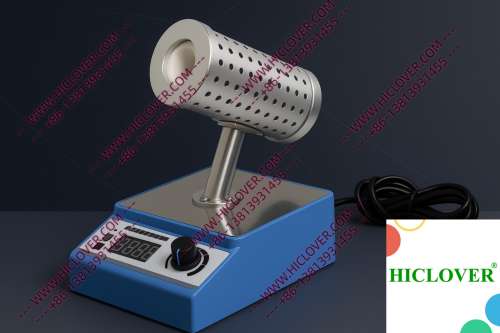
Laboratories face a host of biosafety challenges daily, especially when it comes to sterilization workflows. The importance of effective sterilization cannot be overstated, as contamination can lead to erroneous results and compromised research integrity. In this landscape, bench loop sterilizers, particularly the Micro Incinerator or Infrared Inoculating Loop Sterilizer, play a pivotal role in enhancing laboratory safety and accuracy.
The Technical Principles of Infrared Sterilization
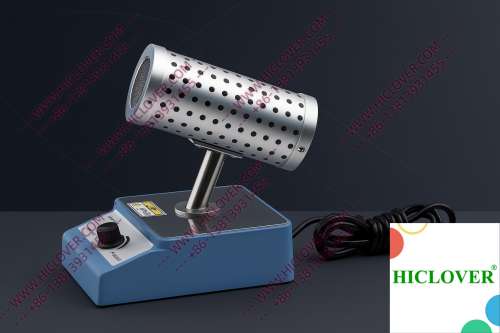
The Micro Incinerator utilizes a principle of rapid thermal sterilization through an advanced infrared heating mechanism. Unlike traditional flame sterilizers like Bunsen burners or alcohol lamps, which can introduce environmental contaminants and pose fire hazards, the Micro Incinerator is designed with an enclosed ceramic heating chamber. This configuration promotes high-temperature disinfection while ensuring a clean working area free from aerosols.
By harnessing infrared heat, the Micro Incinerator provides consistent heating, allowing for precise temperature control. This contrast significantly enhances contamination control—a critical requirement, especially in sensitive environments such as BSL-2 or BSL-3 microbiology labs.
Applications in Real Labs: Enhancing Workflow Efficiency
1. Biosafety Cabinets
Within biosafety cabinets, the use of Micro Incinerators ensures that laboratory personnel can handle samples safely without the threat of flame-induced contamination. The encapsulated design effectively limits aerosol generation, making the sterilization process compliant with strict guidelines for clean-bench-safe environments. In such settings, using an infrared inoculating loop sterilizer accelerates workflow while upholding the highest biosafety standards.
2. Field Testing and Clinical Diagnostics
In field testing applications, where mobility is essential, the compact design of the Micro Incinerator allows researchers to rapidly sterilize inoculation loops on-site. This is particularly vital in clinical diagnostics or during outbreaks, where time is of the essence. The portability coupled with robust performance ensures that labs can maintain accuracy and safety outside the conventional laboratory setting.
Compliance: Meeting International Biosafety Standards
Ensuring compliance with biosafety protocols is fundamental for any laboratory. The World Health Organization (WHO) outlines stringent guidelines for laboratory sterilization, and using devices like the Micro Incinerator aligns perfectly with these standards. Unlike traditional flame sterilizers, the Micro Incinerator provides a compliant solution for clean rooms and sterile environments where open flames are prohibited.
Recent developments in laboratory sterilization standards advocate for the use of non-flame methods to minimize the risk of accidents in high-stakes environments. The Micro Incinerator stands out in promoting safety by mitigating fire hazards while delivering reliable outcomes.
Micro Incinerator vs. Traditional Flame Sterilizers: A Comparison
| Features | Micro Incinerator | Flame Sterilizers |
|---|---|---|
| Heating Method | Infrared | Open Flame |
| Heat Source | Enclosed Ceramic Chamber | Alcohol/Bunsen |
| Contamination Control | Aerosol-free Handling | Contaminant Risk |
| Safety | Fire Hazard Minimization | Flame-related Risks |
| Portability | High | Variable |
Frequently Asked Questions (FAQs)
- What types of labs benefit from using a Micro Incinerator?
Micro Incinerators are ideal for BSL-2 and BSL-3 microbiology labs, clinical diagnostics, and university teaching labs, as well as mobile field testing labs. - How does the Micro Incinerator ensure safety?
By eliminating the need for open flames, it reduces the risk of contaminants and fire hazards, promoting a safer lab environment. - What makes infrared sterilization more efficient?
Infrared sterilization provides rapid thermal sterilization that is uniform and precise, enhancing the turnaround time for lab workflows. - Is it compliant with WHO biosafety standards?
Yes, the Micro Incinerator adheres to strict biosafety and sterilization standards set forth by organizations like WHO, making it suitable for clean environments. - Can it be used in clean rooms?
Absolutely! The enclosed design allows for safe operation in clean rooms where open flames are not permitted.
Conclusion: Enhancing Lab Safety and Efficiency
The critical role of Micro Incinerators in laboratory sterilization cannot be overstated. As laboratories seek to improve workflow efficiency and lab safety, investing in reliable sterilization equipment is paramount. This device not only enhances accuracy in sample testing but also aligns with compliance standards necessary for maintaining high biosafety levels.
For laboratories looking to secure a Micro Incinerator or enhance their sterilization workflow, reaching out to dedicated suppliers can lead to tailored solutions that fit specific laboratory needs. Contact us today to discuss how we can elevate your laboratory’s safety and precision!
Categories:
Tags: