
As the landscape of laboratory work evolves, biosafety challenges and the demand for effective sterilization workflows become increasingly prominent. In Italy, where strict compliance with health and safety regulations is paramount, selecting the right sterilization equipment is vital. One such innovation gaining traction is the Micro Incinerator, specifically the Infrared Inoculating Loop Sterilizer, which is now revolutionizing waste management across various laboratory settings. With a focus on rapid thermal sterilization methods, these devices present a cleaner, more efficient solution for contamination control.
Principle of Operation: Infrared Heat and Ceramic Chambers
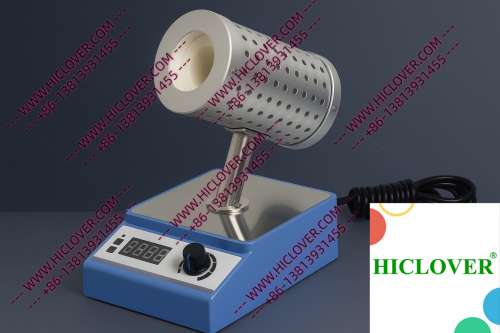
The Micro Incinerator operates on the principle of infrared heat generation, utilizing a specialized enclosed ceramic tube. This design allows for rapid heating—reaching temperatures of up to 850°C—ensuring high-temperature disinfection without the need for flame. This method not only minimizes aerosol generation but also significantly reduces the risk of fire hazards associated with traditional flame sterilizers like alcohol lamps and Bunsen burners.
- Efficient Heating: Rapid thermal sterilization ensures quick turnaround times, perfect for busy labs.
- Contamination Control: Provides an aerosol-free handling environment, crucial in sensitive biosafety labs.
- Safe Operation: No open flames make it clean-bench safe, addressing laboratory safety challenges effectively.
Application Scenarios in Real Laboratories
Biosafety Cabinet Usage
In a BSL-2 microbiology lab in Milan, the Micro Incinerator has become an integral part of the sterilization workflow. Researchers conducting experiments on pathogenic microbes utilize the Micro Incinerator for real-time inoculation loop sterilization. The compact size of the device allows it to fit seamlessly within the biosafety cabinet, providing a safe and efficient means of sterilizing tools without cluttering the work area. With its precise temperature controls, operators can ensure that no residual contaminants linger post-sterilization, thus maintaining a sterile working environment.
Field Testing Application
In urban research settings, such as ecological field testing within Venice’s wetlands, the need for portable and efficient sterilization equipment is crucial. The Infrared Inoculating Loop Sterilizer stands out due to its lightweight and compact design, allowing field researchers to sterilize sampling tools quickly and efficiently on-site. This mobility reduces the need for relocating samples to a laboratory, decreasing the chances of contamination and preserving the integrity of the data collected in these sensitive environments.
Compliance and Environmental Concerns
Compliance with internationally recognized biosafety standards is obligatory for laboratories operating within Italy. The World Health Organization (WHO) outlines stringent guidelines for laboratory sterilization which emphasize the importance of using reliable sterilization tools. The Micro Incinerator aligns perfectly with these standards, promoting a no-flame environment ideal for clean rooms. Unlike traditional methods that can produce hazardous fumes or aerosols, the infrared technology employed in Micro Incinerators is environmentally friendly and promotes a sustainable approach to waste management.
Furthermore, utilizing such advanced sterilization equipment not only assists in maintaining laboratory standards but also supports the broader commitment to environmental responsibility. Laboratories can significantly reduce their carbon footprint by integrating high-efficiency sterilization technologies like Micro Incinerators.
Compliance Reference Table
| Criteria | Micro Incinerator | Flame Sterilizers |
|---|---|---|
| Flame-Free Operation | Yes | No |
| Aerosol-Free Disinfection | Yes | Potentially |
| Temperature Control | Precise | Variable |
| Compliance with WHO Standards | Yes | Depends on Usage |
FAQs about Micro Incinerators
What is the main advantage of using a Micro Incinerator over traditional flame sterilizers?
The primary advantage is its safe, flame-free design which minimizes the risk of fire hazards and contamination. Additionally, it provides rapid thermal sterilization, allowing for quick turnarounds in lab settings.
Can a Micro Incinerator be used in BSL-3 laboratories?
Yes, the Micro Incinerator is suitable for BSL-3 laboratories where strict adherence to biosafety protocols is paramount.
How does the Micro Incinerator support environmental sustainability?
By reducing reliance on gas or alcohol-based flame sterilization methods, the Micro Incinerator helps minimize harmful emissions and carbon footprints typically associated with traditional sterilization practices.
Is the Micro Incinerator portable for field applications?
Absolutely! Its lightweight and compact design make it an ideal tool for researchers conducting field tests.
Where can I buy a Micro Incinerator in Italy?
You can contact local laboratory supply distributors or specialized bioequipment suppliers for purchasing this innovative sterilization device.
Conclusion: Invest in the Future of Sterilization
The emergence of Micro Incinerators represents a significant advancement in waste management and sterilization practices in Italy’s laboratories. By adopting these technologies, laboratories can improve their biosafety measures, ensure compliance with rigorous standards, and enhance workflow efficiency. If you’re ready to elevate your sterilization processes and invest in the future of laboratory safety, get in touch today to explore our innovative products and solutions tailored for your laboratory needs.
Categories:
Tags: