
In the realm of laboratory settings, maintaining biosafety and ensuring effective sterilization are challenges that professionals face daily. Traditional sterilization methods, such as alcohol lamps and Bunsen burners, pose risks like open flames and aerosols, making them undesirable in many environments, including BSL-2 and BSL-3 labs. In this context, the Micro Incinerator or Infrared Inoculating Loop Sterilizer presents a safer and more efficient solution for sterilization workflows, particularly in Indian communities striving for advanced laboratory practices.
Technical Principles of Micro Incinerators
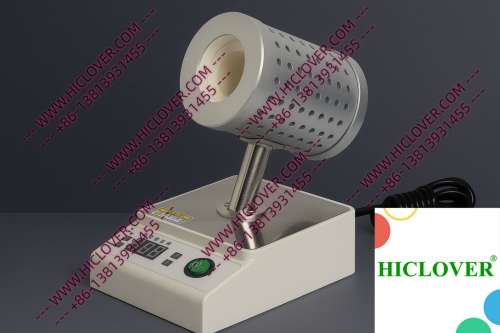
The Micro Incinerator operates on the principle of rapid thermal sterilization utilizing infrared heat. This innovative device is tailored for effective sterilization in confined spaces, as it employs a ceramic heating chamber that generates high temperatures without the risks associated with open flames. The enclosed ceramic tube ensures that the generated heat is efficiently contained, leading to precise temperature control—usually reaching up to 800°C within seconds. This level of heat ensures germicidal efficacy, facilitating safe and reliable sterilization of inoculating loops, needles, and other delicate instruments.
Advantages Over Traditional Flame Sterilizers
- Enhanced Safety: No open flames reduce the risk of fire hazards.
- Rapid Heating: Achieves sterilization temperatures in seconds, improving workflow efficiency.
- Aerosol-free Handling: Lowers the risk of cross-contamination.
- Portability: Compact design allows for use in mobile labs and field settings.
- Energy Efficiency: Lower energy consumption compared to prolonged use of traditional burners.
Application Scenarios in Real Labs
1. Clinical Diagnostics Laboratories
In a clinical diagnostics setting, rapid sterilization is crucial. Micro Incinerators are especially advantageous in environments like biosafety cabinets where any contamination could compromise specimen integrity. For instance, a technician can easily sterilize inoculating loops between sample transfers without the risk of aerosol dispersal, ensuring that all samples remain uncontaminated. Such practices enhance the accuracy of diagnostic results and comply with stringent WHO biosafety guidelines.
2. University Teaching Labs
In educational contexts, particularly within universities, the Micro Incinerator plays a pivotal role in laboratory training. Students learning in microbiology or cellular biology labs can safely practice sterilization techniques without the anxieties associated with open flames. The user-friendly interface and rapid heating capabilities help instructors maintain a smooth workflow during practical sessions, reinforcing laboratory competency without sacrificing safety.
Compliance and Environmental Considerations
Meeting the international biosafety standards set by the World Health Organization (WHO) is essential for any laboratory. The use of a Micro Incinerator aligns with these standards, especially in scenarios that require strict contamination control. Many laboratory sterilization standards discourage the use of open flames in cleanroom environments. Since the Micro Incinerator eliminates the risks associated with flammable materials, it presents a significant advantage in maintaining a clean and compliant workspace.
Regional Applications and Community Impacts
In India, as communities strive toward advanced healthcare systems and research facilities, the integration of Micro Incinerators can empower local laboratories. These devices contribute to healthcare initiatives by streamlining sterile practices in medical diagnostics and research, ultimately enhancing public health outcomes. Their role in field testing labs for remote areas is particularly notable, making it feasible for healthcare workers to conduct vital tests without the limitations of traditional sterilization methods.
FAQs
What is a Micro Incinerator?
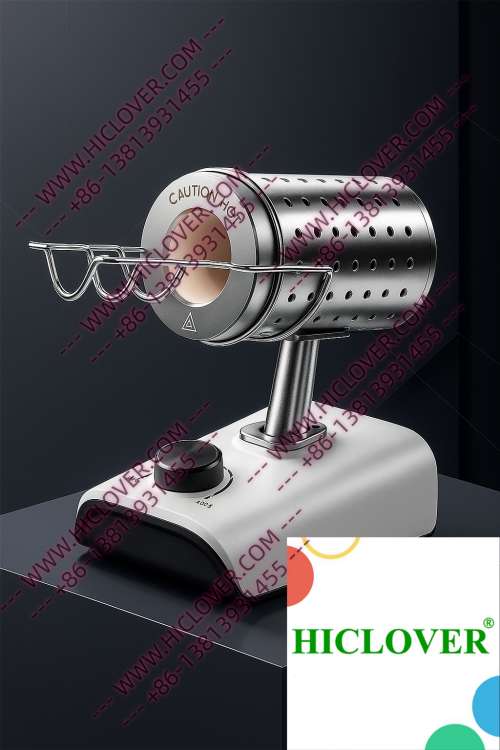
A Micro Incinerator is a compact sterilization device that utilizes infrared heat for the rapid disinfection of lab instruments, eliminating the hazards associated with open flames.
How does the Micro Incinerator compare to traditional flame sterilizers?
Compared to flame sterilizers, the Micro Incinerator offers enhanced safety, quicker sterilization times, and an aerosol-free environment, making it suitable for more sensitive laboratory settings.
Where can Micro Incinerators be used?
They are effective in various environments, including clinical diagnostics labs, university teaching labs, field testing scenarios, and mobile laboratories.
Is the Micro Incinerator compliant with WHO standards?
Yes, the Micro Incinerator meets biosafety guidelines laid out by the WHO and other international standards for laboratory sterilization.
What is the energy consumption of a Micro Incinerator?
The Micro Incinerator is designed to be energy-efficient, utilizing less power than traditional flame sterilizers while effectively achieving high temperatures for sterilization.
Conclusion
As laboratories across India and beyond seek advanced sterilization solutions, adopting Micro Incinerators presents an opportunity for enhanced safety, compliance, and efficiency. Whether for clinical diagnostics or educational applications, these devices stand out as pioneering technology in clean labs. For distributors, hospitals, universities, and research centers aiming to bolster their laboratory capabilities, the Micro Incinerator is an essential addition to your equipment lineup. Contact us today to learn more about how you can integrate this innovative technology into your laboratory practices.
Categories:
Tags: