
Laboratories around the world are constantly confronted with the challenges of maintaining biosafety and ensuring effective sterilization of equipment and tools. As contamination control becomes increasingly critical, the demand for innovative sterilization workflows that do not compromise safety or efficiency is paramount. Traditional flame sterilizers such as alcohol lamps and Bunsen burners have long served laboratory needs but are gradually being replaced by modern alternatives like the Micro Incinerator or Infrared Inoculating Loop Sterilizer. This article explores the advancements in sterilization technologies and the transformation they bring to laboratory practices.
The Science Behind Infrared Sterilization
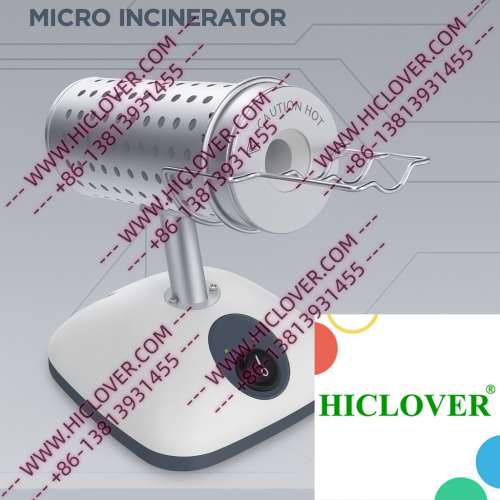
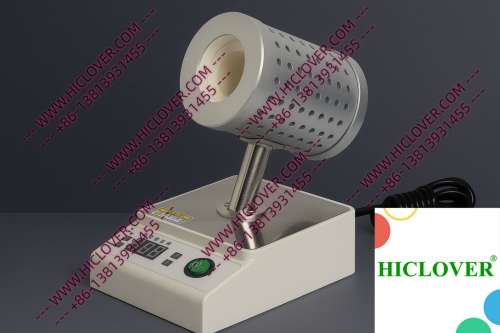
The Micro Incinerator operates on the principle of infrared heat, utilizing a ceramic heating chamber that emits concentrated high-temperature disinfection rays. The enclosed design enhances safety by preventing open flames and reducing the risk of aerosol generation during the sterilization process. Users simply insert their inoculating loops or tools into the ceramic tube, where they are quickly and effectively heated to temperatures exceeding 800°C, neutralizing unwanted contaminants.
Real-World Applications in Laboratories
- Biosafety Cabinets: In BSL-2 and BSL-3 laboratories, where the handling of pathogenic microorganisms occurs, the Micro Incinerator provides a clean-bench-safe solution for sterilization. Its rapid thermal sterilization process ensures that tools are immediately ready for use without exposing personnel to potential hazards.
- Teaching Labs: University education often involves practical training in microbiology. The Micro Incinerator offers a user-friendly and efficient approach to sterilization, allowing students to focus more on laboratory techniques rather than safety concerns. The absence of flames leaves the lab environment safer for energetic learning sessions.
Compliance and Environmental Considerations
Meeting international biosafety standards is crucial for laboratories, especially in regions like Europe and North America, where compliance requirements are stringent. The World Health Organization (WHO) emphasizes the importance of employing sterilization technologies that mitigate risk and uphold safety protocols. Additionally, clean rooms strictly prohibit flames and generate a need for alternatives like the Micro Incinerator, which efficiently meets these requirements.
Comparison Table: Micro Incinerator vs. Flame Burners
| Feature | Micro Incinerator | Flame Burners |
|---|---|---|
| Heat Source | Infrared heat | Open flame |
| Efficiency | Rapid thermal sterilization | Time-consuming |
| Safety | Aerosol-free handling | Risk of burns and contamination |
| Clean Room Compatible | Yes | No |
Advantages of Micro Incinerators Over Traditional Flame Sterilizers
Switching to a Micro Incinerator presents various advantages over traditional flame sterilizers:
- Safety: With no open flame, the risk of fire hazards is significantly reduced.
- Speed: The sterilization process is faster, allowing for increased efficiency in laboratory workflows.
- Contamination Control: The enclosed design minimizes the risk of environmental contamination and protects air quality in sensitive areas.
- User-Friendly: Ease of use encourages proper sterilization practices among personnel, particularly in training scenarios.
- Robust Construction: Built for durability, these devices require minimal maintenance compared to open flame equipment.
FAQs on Micro Incinerators and Laboratory Sterilization
Q1: What types of labs benefit most from Micro Incinerators?
A1: Micro Incinerators are particularly beneficial in BSL-2 and BSL-3 laboratories, clinical diagnostic centers, as well as university teaching labs where precise sterilization is essential.
Q2: How does infrared sterilization compare to traditional methods?
A2: Infrared sterilization provides rapid heat application with less risk of contamination and greater safety compared to traditional flame methods.
Q3: Are Micro Incinerators safe for use in clean rooms?
A3: Yes, Micro Incinerators are designed to operate without open flames, making them an ideal choice for clean rooms and other controlled environments.
Q4: Can I use a Micro Incinerator for field testing?
A4: Absolutely! Their compact nature and ease of use make them suitable for mobile applications and field testing scenarios.
Q5: How can I ensure compliance with laboratory standards?
A5: Regular maintenance and adherence to operational protocols, along with using approved sterilization equipment like Micro Incinerators, will ensure compliance with laboratory safety standards.
Conclusion
The transition away from traditional flame sterilizers to advanced alternatives like the Micro Incinerator reflects an important shift towards improved safety, efficiency, and compliance in laboratory environments. Embracing these innovative technologies not only enhances contamination control but also fosters a culture of safety among laboratory personnel. For laboratories looking to upgrade their sterilization practices, investing in a Micro Incinerator/Infrared Inoculating Loop Sterilizer represents an invaluable enhancement to their biosafety infrastructure. For more information or to make a purchase, contact us today!
Categories:
Tags: