
In the realm of laboratory work, biosafety challenges are an everyday reality. With stringent regulatory standards and the constant risk of contamination, laboratories require reliable sterilization methods that ensure optimum safety and efficiency. Traditional flame-based sterilizers, such as alcohol lamps and Bunsen burners, have been the mainstay for many years. However, the emergence of advanced sterilization devices, particularly the Micro Incinerator or Infrared Inoculating Loop Sterilizer, is revolutionizing the sterilization workflow.
Technical Principles of Infrared Sterilization
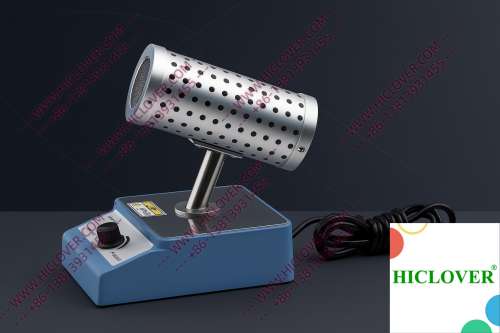
The Micro Incinerator utilizes infrared technology, which emits rapid thermal energy without the need for open flames. This method ensures a clean, aerosol-free environment while effectively sterilizing inoculating loops and other small instruments. The device typically features an enclosed ceramic heating chamber that provides uniform heating and precise temperature control, making it ideal for sensitive laboratory applications.
By utilizing a specialized heating element, the infrared sterilizer can reach temperatures high enough for effective disinfection while minimizing the risk of burns. Unlike traditional flameless techniques, the infrared sterilizer operates with high efficiency, providing swift turnaround times and a user-friendly experience.
Applications in Modern Laboratories
1. Biosafety Cabinets
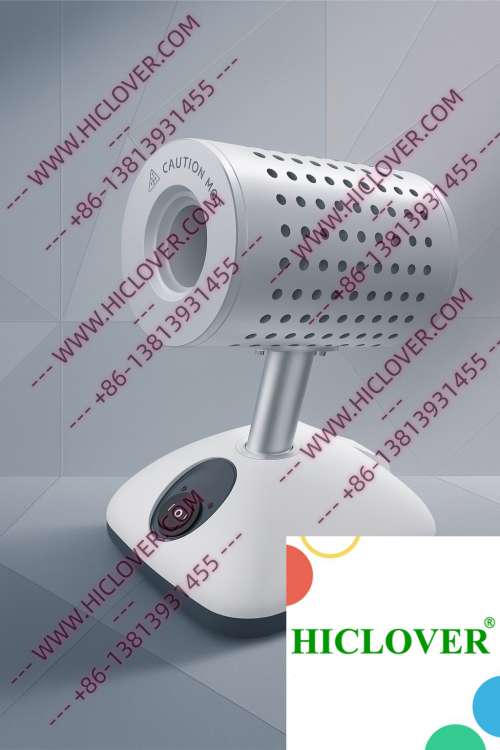
In critical laboratories that operate under BSL-2 or BSL-3 conditions, the use of a Micro Incinerator facilitates compliance with strict biosafety protocols. These devices can be integrated seamlessly into biosafety cabinets, allowing for real-time sterilization of instruments while maintaining a sterile work environment. Users can easily perform inoculations and microbiological work with reduced risk of contamination.
2. Teaching Labs and Field Testing
The portability of the infrared sterilizer makes it an attractive option for teaching laboratories and field testing environments. For example, universities can easily transport these units for use in various biological science courses, ensuring that students are trained using cutting-edge sterilization technology. Additionally, mobile labs deployed for environmental testing benefit from the rapid, flame-free sterilization capabilities provided by the Micro Incinerator.
Compliance with Biosafety Standards
Ensuring compliance with international biosafety standards is paramount for laboratories around the globe. Organizations such as the WHO and various local health authorities mandate protocols that promote safety and contamination control in laboratory environments. Traditional flame sterilizers pose risks; for instance, using an open flame in clean rooms is discouraged as it can generate aerosols and compromise sterile areas.
The use of infrared sterilizers not only complies with these regulations but also enhances laboratory safety. The absence of open flames reduces the risk of fire hazards and provides a safer alternative in environments where flammable materials are present.
Comparison of Micro Incinerator and Traditional Flame Burners
| Feature | Micro Incinerator | Flame Burners |
|---|---|---|
| Burn Risk | Burn-free operation | Open flame |
| Contamination Risk | Aerosol-free | Aerosol generation |
| Temperature Control | Precise infrared control | Variable and uncontrolled |
| Portability | Lightweight and compact | Heavy and bulky |
| Efficiency | Rapid sterilization | Longer wait times |
FAQs
- How does the Micro Incinerator differ from traditional sterilization methods?
The Micro Incinerator provides a burn-free and environmentally safe approach to sterilization, utilizing infrared technology to eliminate contamination without the hazards associated with open flames. - What is the ideal setup for utilizing the Micro Incinerator?
It is best utilized within biosafety cabinets or as a portable solution in field testing labs. Its compact design allows for easy integration into various laboratory settings. - Can it operate effectively in cleanrooms and controlled environments?
Yes, the Micro Incinerator is designed to operate in cleanrooms, adhering to biosafety standards while preventing aerosol generation common with flame devices. - Is the setup process complicated for new users?
No, the device is user-friendly, with straightforward instructions that allow users to begin sterilization procedures without significant training. - What are the maintenance requirements for the Micro Incinerator?
Routine inspection and cleaning of the ceramic heating chamber are recommended to ensure efficient operation, with minimal maintenance otherwise required.
Conclusion
In summary, the Micro Incinerator / Infrared Inoculating Loop Sterilizer represents a critical advancement in laboratory sterilization practices, promoting safety and efficiency across various applications. Its innovative design and compliance with international biosafety standards make it an indispensable tool for laboratories pursuing top-notch contamination control. For those looking to invest in the future of sterilization technology, consider reaching out for more information about this transformative equipment.
Categories:
Tags: