
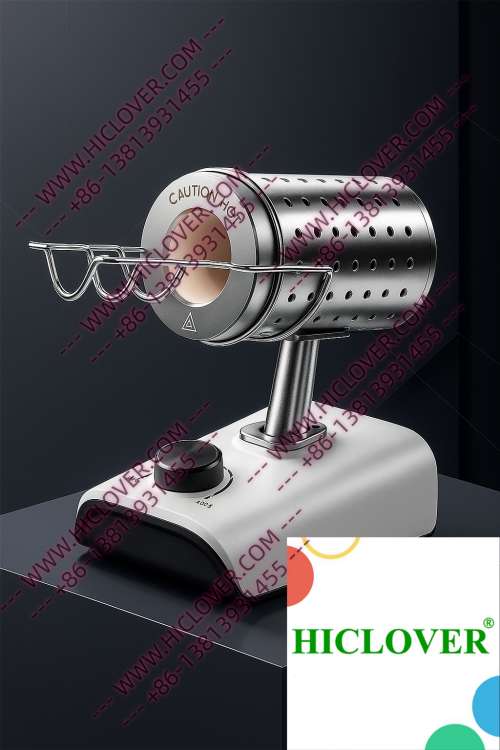
As laboratories face increasing challenges in maintaining a sterile environment, the demand for reliable sterilization workflows is pushing innovation in laboratory sterilization equipment. In particular, the Micro Incinerator, also known as the Infrared Inoculating Loop Sterilizer, has emerged as a game-changer in sterilization methods for various applications, including clinical diagnostics and university teaching labs.
Understanding the Technical Principles Behind Micro Lab Sterilizers

The innovative design of the Micro Incinerator incorporates a heated ceramic chamber, which uses infrared technology to achieve rapid thermal sterilization. This device operates without the need for flames, offering a safer alternative compared to traditional methods, such as alcohol lamps and Bunsen burners. When the sterilizer is activated, infrared heat is generated within an enclosed ceramic tube, creating a controlled sterilization environment that effectively eliminates contaminants in mere seconds.
Advantages Over Traditional Flame Sterilizers
There are several notable advantages of Micro Incinerators over traditional flame sterilizers:
- Aerosol-free handling: This eliminates the risk of aerosols that can pose hazards to laboratory personnel.
- Rapid cycle times: Micro Incinerators can sterilize inoculating loops in seconds, reducing downtime between experiments.
- CLEAN-BENCH-SAFE: The lack of open flame ensures safety within biosafety cabinets.
- Reduced energy consumption: Infrared technology offers an energy-efficient alternative.
Real-World Applications: Where Micro Incinerators Shine
Biosafety Cabinet Environments
In a BSL-2 microbiology lab, the efficiency of sterilization is paramount. Researchers handling pathogens benefit from using the Micro Incinerator within biosafety cabinets, where it aids in maintaining a sterile working environment while also handling the risk of contamination. This device allows for quick sterilization of inoculating loops, enhancing workflow efficiency and reducing the time spent on safety protocols.
Teaching Labs and Field Testing Scenarios
University teaching labs, where students learn the intricacies of microbiological techniques, also experience the advantages of Micro Incinerators. The ease of use, combined with fast sterilization cycles, enables students to focus on learning rather than delays caused by lengthy sterilization methods. Additionally, for mobile or field testing in health-related camps, this device provides rapid sterilization solutions without the complexity of managing a flame setup.
Compliance with Biosafety Standards
The Micro Incinerator is compliant with biosafety regulations set forth by the World Health Organization (WHO) and other laboratory sterilization standards. These regulations demand that labs implementing sterilization practices maintain the utmost safety, especially in clean room environments where open flames are prohibited. The Micro Incinerator not only meets these stringent guidelines but also minimizes the risk of cross-contamination through its effective sterilization capabilities.
Comparison: Micro Incinerator vs. Flame Burners
Feature Micro Incinerator Flame Burners
Safety Flame-free operation Open flame hazards
Cycle Time Seconds Varies
Contamination Risk Minimal Higher due to flames
Energy Consumption Lower Higher
Frequently Asked Questions (FAQs)
1. What makes Micro Incinerators ideal for BSL-2 labs?
Micro Incinerators provide a flame-free sterilization option, thereby reducing risks of contamination, which is crucial for BSL-2 labs handling pathogenic organisms.
2. How does the infrared sterilization process work?
The device generates infrared heat in a closed ceramic chamber that rapidly elevates the temperature to effectively sterilize instruments in seconds.
3. Can I use a Micro Incinerator in a field testing lab?
Yes, Micro Incinerators are portable and well-suited for mobile laboratories, providing instant sterilization during field tests.
4. What are the safety benefits over traditional methods?
The Micro Incinerator’s design eliminates open flames, reducing risks of fire hazards and aerosol generation during sterilization.
5. How do I maintain a Micro Incinerator?
Routine maintenance is minimal; however, regular cleaning of the ceramic tube ensures efficient operation and extends the service life of the device.
Conclusion: Embrace the Future of Laboratory Sterilization
In an era where laboratory biosafety is of utmost importance, the Micro Incinerator emerges as a revolutionary tool that enhances sterilization workflows while ensuring compliance with strict guidelines. Institutions ranging from hospitals to universities should consider implementing this cutting-edge technology to achieve effective contamination control and improve overall laboratory safety. For inquiries or to explore purchasing options, please contact us to elevate your laboratory’s sterilization capabilities.
Categories:
Tags: