
In today’s laboratory environments, ensuring biosafety is paramount. Laboratories face numerous challenges, from maintaining sterile conditions to managing contamination risks efficiently. With the increasing use of precise biological samples for clinical diagnostics and research, the need for effective sterilization processes has never been more urgent. Traditional flame sterilizers, while common, pose risks in terms of contamination control and safety, especially in sensitive environments like BSL-2 and BSL-3 microbiology labs. Enter the Micro Incinerator / Infrared Inoculating Loop Sterilizer – a game-changer in laboratory sterilization equipment.
Technical Principles of Infrared Heating
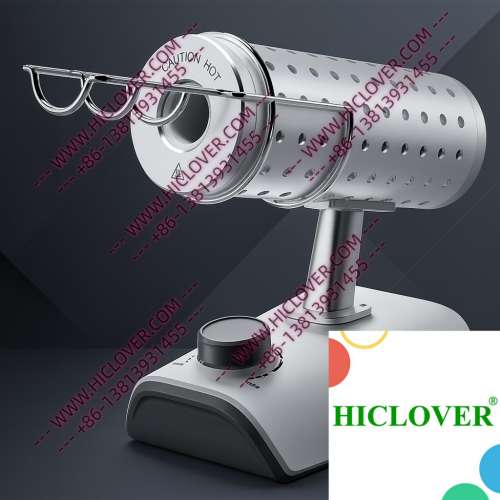
The Micro Incinerator employs a unique sterilization method utilizing infrared heat technology. This innovative equipment features an enclosed ceramic heating chamber that ensures rapid thermal sterilization without the hazards associated with open flames. The principle is simple yet effective: infrared radiation heats the inoculating loops within seconds, achieving temperatures high enough to eliminate microbes. This technology not only guarantees a high level of disinfection but also enhances safety by reducing the risk of aerosol contamination.
Comparison of Sterilization Methods
| Feature | Micro Incinerator | Flame Burners |
|---|---|---|
| Speed of Sterilization | Rapid | Moderate |
| Safety | Flame-free | Open flame risk |
| Contamination Control | Reduced aerosol | High risk |
| Durability | High ceramic resistance | Variable |
| Ease of Use | Simple one-button operation | Requires skills for safety |
Application Scenarios in Real Laboratories
The benefits of the Micro Incinerator extend across various laboratory settings:
- Biosafety Cabinets: Within these controlled environments, the Micro Incinerator becomes a vital tool for ensuring a contamination-free workspace. Researchers can easily sterilize inoculating loops without worrying about burning contaminants into the workspace.
- University Teaching Labs: In educational institutions, teaching proper sterilization procedures is critical. The Micro Incinerator allows students to safely practice inoculation techniques with minimal risk of accidents associated with flames. This promotes a safe learning environment while instilling proper laboratory etiquette.
Compliance with Biosafety Standards
When leveraging advanced sterilization technologies, compliance with safety standards set forth by organizations like the World Health Organization (WHO) is imperative. Laboratories must ensure that their sterilization processes adhere to regulations to maintain safety and integrity in research environments. Given that open flames are often banned from cleanrooms, using an Infrared Inoculating Loop Sterilizer is the perfect solution. The absence of flames mitigates the risk of fire hazards and helps maintain a clean atmosphere essential for sterile work conditions.
Environmental Considerations in Sterilization
The Micro Incinerator also aligns with contemporary environmental responsibility. Its efficient design minimizes energy consumption while delivering high-temperature disinfection, reducing energy waste. Additionally, its use significantly limits the emissions associated with traditional flame-based sterilization, contributing to a cleaner laboratory environment and a smaller carbon footprint.
Frequently Asked Questions
1. How long does it take for the Micro Incinerator to heat up?
The Micro Incinerator heats to its maximum temperature within just a few seconds, allowing for rapid sterilization.
2. Can the Micro Incinerator be used in a BSL-3 lab?
Absolutely! The Micro Incinerator is designed for use in various biosafety levels, including BSL-3, making it ideal for high-containment laboratories.
3. What is the lifespan of the ceramic heating element?
With proper maintenance, the ceramic heating element in the Micro Incinerator can last several years, providing reliable and consistent performance.
4. Is the Micro Incinerator portable?
Yes, its compact design allows for easy transportation between different lab areas or even for field tests.
5. How does it compare in cost to traditional flame sterilizers?
While the initial investment may be higher, the Micro Incinerator saves costs over time due to lower energy consumption and reduced risk of accidents associated with flame sterilization.
Conclusion
In conclusion, transitioning to a Micro Incinerator / Infrared Inoculating Loop Sterilizer not only enhances your laboratory’s sterilization workflow but also elevates your biosafety protocols. With its rapid heating capabilities, enhanced safety features, and ease of use, it presents a compelling alternative to conventional flame sterilizers. For laboratories seeking a safer, more efficient way to manage sterilization processes, investing in this advanced technology is a wise choice. Get in touch with us today to discuss how the Micro Incinerator can revolutionize your sterilization practices!