
In the realm of laboratory biosafety, the challenges of preventing cross-contamination and ensuring a sterile environment are more critical than ever. Laboratories, whether they focus on research, diagnostics, or teaching, must adhere to stringent sterilization protocols. Biosecure sterilization is pivotal in maintaining the integrity of experiments and the safety of personnel. One advanced solution that has emerged to meet these demands is the Micro Incinerator, also known as the Infrared Inoculating Loop Sterilizer. This article discusses its significance in laboratory settings, supporting compliance with biosafety standards, and the operational advantages it offers over traditional flame sterilizers.
Understanding the Technical Principles of Micro Incinerators
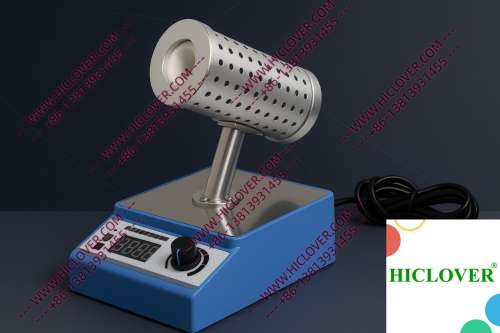
The Micro Incinerator operates using advanced infrared heat technology, employing an enclosed ceramic tube that rapidly reaches high temperatures. This mechanism enables effective disinfection without the use of open flames, which is particularly crucial in environments that require high cleanliness standards, such as BioSafety Level (BSL) 2 and BSL-3 microbiology labs.
- Rapid Thermal Sterilization: The infrared system allows for quick heating and cooling, minimizing waiting times for laboratory personnel.
- Aerosol-Free Handling: There is no risk of generating aerosols during sterilization, a critical aspect in minimizing contamination risks.
- Clean-Bench-Safe: The design ensures safety in clean rooms, reducing the chance of fire hazards compared to traditional flame-based sterilizers.
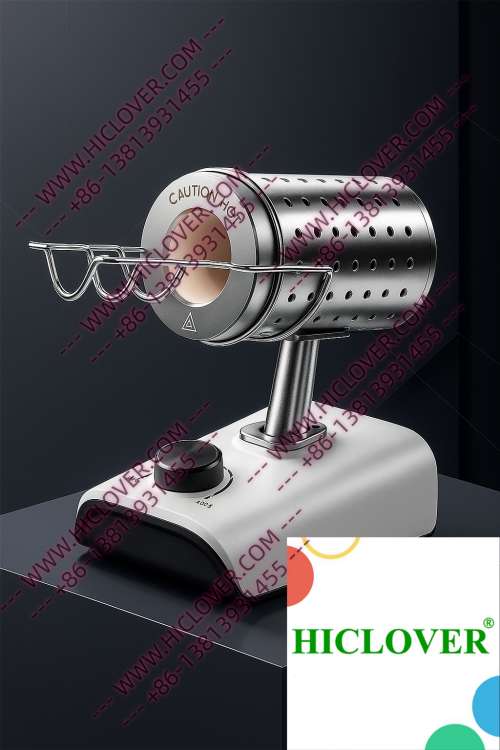
This cutting-edge technology makes the Micro Incinerator a preferred choice in various laboratory workflows, from clinical diagnostics to educational training labs.
Application Scenarios in Real Labs
1. **Biosafety Cabinet Operations**: In BSL-2 labs, where the risk of exposure to infectious agents is moderate, the Micro Incinerator plays a crucial role. Utilizing it within biosafety cabinets enhances safety by maintaining a sterile working environment while allowing for efficient sterilization of inoculating loops and other instruments. This practice ensures that microbiologists can operate confidently without the risk of introducing contaminants.
2. **Teaching Laboratories**: In university settings, the Micro Incinerator serves as an incredible teaching tool. In student labs where sterilization practices are emphasized, the use of this technology allows educators to demonstrate the principles of aseptic techniques without the threats associated with open flames. The safe operation and immediate results of sterilization provide students with hands-on experience in maintaining laboratory integrity.
Compliance and Environmental Considerations
Biosafety standards are critical in laboratory settings, particularly as global health threats emerge. Organizations such as the World Health Organization (WHO) set forth strict guidelines for laboratory safety, which emphasize the need for effective and safe sterilization methods. Compliance with the following standards is crucial:
- WHO Biosafety Guidelines: These guidelines recommend methods that prevent exposure to potentially harmful pathogens.
- Lab Sterilization Standards: Regulations dictate the use of sterilizers that minimize contamination risk and provide effective disinfection results.
- Clean Room Regulations: Open flames are typically forbidden in clean rooms due to associated risks, making microwave sterilizers like the Micro Incinerator a viable solution.
In regions like Europe and North America, adherence to these standards is not just good practice but a regulatory requirement for laboratories that wish to maintain operational licenses.
Micro Incinerator vs. Traditional Flame Sterilizers
| Feature | Micro Incinerator | Flame Sterilizers |
|---|---|---|
| Heating Method | Infrared Heat | Open Flame |
| Contamination Risk | Low (Aerosol-Free) | Higher (Possible Aerosol Generation) |
| Speed of Sterilization | Rapid | Variable (Dependent on flame stability) |
| Safety in Clean Rooms | Excellent | Poor (Fire Hazard) |
FAQs
What is a Micro Incinerator?
A Micro Incinerator is a laboratory device that sterilizes inoculating loops and other small tools using infrared heat, eliminating the hazards associated with open flames.
How does infrared sterilization compare to traditional methods?
Infrared sterilization is faster and safer than traditional methods, providing effective contamination control without the risks associated with fire safety and aerosol generation.
Can the Micro Incinerator be used in field testing labs?
Yes, the portability and efficiency of the Micro Incinerator make it suitable for mobile and field testing environments where quick sterilization is essential.
Are Micro Incinerators compliant with biosafety regulations?
Yes, they are designed to meet or exceed WHO and other international biosafety standards, making them an ideal choice for laboratories.
What are the advantages of using a Micro Incinerator in educational settings?
The Micro Incinerator provides a safe and effective way to demonstrate sterilization techniques to students, enhancing their understanding of laboratory safety without the risks associated with flame sterilization.
Conclusion
In a world facing continuous threats from infectious diseases, the importance of advanced sterilization technologies cannot be overstated. The Micro Incinerator / Infrared Inoculating Loop Sterilizer not only meets the stringent demands of modern laboratories but also enhances safety and operational efficiency. By adopting this innovative sterilization method, laboratories can ensure compliance with biosafety standards while protecting both their personnel and their research. If you are interested in learning more about this essential laboratory equipment or wish to procure it for your facility, please get in touch with us today. Let us help you elevate your laboratory’s safety and efficiency to the next level.
Categories:
Tags: