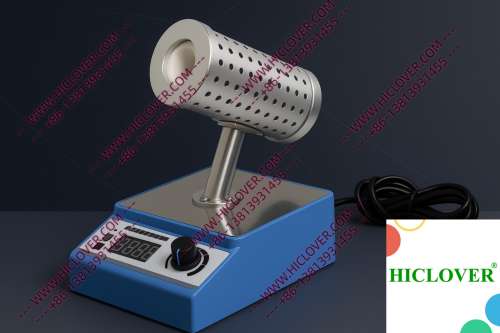
In today’s fast-paced laboratory environment, maintaining strict biosafety protocols is paramount. Researchers and technicians face numerous challenges, particularly when managing sterilization workflows, which are critical for preventing contamination and ensuring accurate results. Traditional flame-based sterilization methods, like alcohol lamps and Bunsen burners, present various risks, including open flames and the risk of aerosol generation. As such, innovative solutions like the Micro Incinerator / Infrared Inoculating Loop Sterilizer are rapidly gaining popularity for their efficacy and ease of use.
The Technical Principle Behind Infrared Sterilization
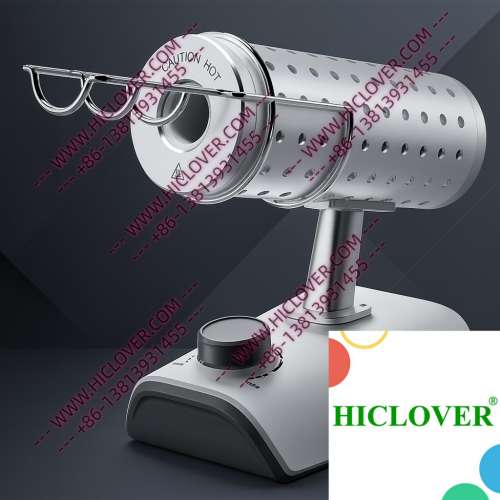
The Micro Incinerator operates utilizing the principle of infrared heat, providing rapid thermal sterilization without the need for open flames. It utilizes a specially designed ceramic heating chamber that generates high temperatures, allowing for efficient disinfection of inoculating loops and other laboratory instruments. The enclosed nature of the device ensures that no harmful aerosols are generated, thereby maintaining a clean and safe working environment—essential for laboratories operating under Biosafety Level 2 (BSL-2) and BSL-3 standards.
Design and Configuration
Designed with user convenience in mind, the Micro Incinerator features a compact, lightweight configuration, making it suitable for both stationary use in typical laboratory settings and mobile applications for field testing. The device heats up rapidly, enabling sterilization in seconds, which significantly improves laboratory workflow efficiency. Its ergonomic design ensures operators can use it safely within clean benches, biosafety cabinets, and other laboratory environments.
Application Scenarios
- Biosafety Cabinets: In BSL-2 and BSL-3 labs, where the handling of pathogenic organisms requires utmost precaution, the Micro Incinerator is invaluable. Researchers can quickly sterilize loops and tools without compromising the sterile environment of the cabinet.
- Field Testing: Mobile labs conducting field studies often lack access to traditional sterilization methods. The Micro Incinerator serves as a portable solution, allowing researchers to sterilize tools in situ, securing the integrity of samples collected in the field.
- Teaching Labs: Universities and educational institutions utilize the Micro Incinerator in teaching labs where students learn sterile techniques. Its ease of use, coupled with the elimination of fire hazards, fosters a safer learning environment.
Compliance and Environmental Considerations
Organizations such as the World Health Organization (WHO) set strict guidelines for laboratory biosafety, which include effective sterilization processes. The Micro Incinerator adheres to these standards while offering significant advantages over traditional methods, particularly in clean-room environments where even minor sources of contamination can compromise results. Its design mitigates the risks associated with open flames, making it compliant with safety regulations in laboratories worldwide.
Environmental Benefits
The Micro Incinerator’s infrared technology is not only safer but also more environmentally friendly than its flame counterparts. Traditional sterilization methods often consume more energy and produce harmful by-products, whereas the clean burning of the Micro Incinerator ensures a minimal ecological footprint. This aligns with global efforts to maintain environmentally sustainable laboratory practices.
Comparison: Micro Incinerator vs. Flame Burners
| Feature | Micro Incinerator | Flame Burners |
|---|---|---|
| Heating Method | Infrared Heat | Open Flame |
| Time to Sterilize | Seconds | Varies |
| Contamination Risk | Minimal | High |
| Portability | High | Moderate |
| Energy Efficiency | High | Low |
Frequently Asked Questions
1. What makes the Micro Incinerator a safer option than traditional sterilizers?
The enclosed ceramic heating chamber generates high temperatures without producing harmful aerosols, thereby reducing contamination risks compared to open flame methods.
2. How quickly does the Micro Incinerator heat up?
The Micro Incinerator typically reaches sterilization temperatures within seconds, making it an efficient choice for busy laboratory environments.
3. Can the Micro Incinerator be used in outdoor or field environments?
Yes, its compact and portable design makes it ideal for mobile applications, including field testing scenarios.
4. Are there specific biosafety regulations the Micro Incinerator complies with?
The device adheres to WHO biosafety guidelines, making it suitable for use in laboratories subject to stringent safety protocols.
5. How does the Micro Incinerator improve laboratory workflow?
With rapid sterilization times and minimal contamination risks, the Micro Incinerator enhances efficiency, allowing researchers to focus more on their experiments rather than sterilization procedures.
Conclusion
In the realm of laboratory sterilization, the Micro Incinerator / Infrared Inoculating Loop Sterilizer represents a pivotal advancement over traditional flame-based methods. Its safety, efficiency, and compliance with biosafety standards make it an indispensable tool for laboratories, teaching institutions, and field-testing environments alike. As laboratories evolve, ensuring a contamination-free workspace is critical, and switching to reliable sterilization equipment like the Micro Incinerator is a proactive step. For inquiries or to discuss purchase options, please feel free to reach out.
Categories:
Tags: