
In today’s rapidly advancing laboratory environments, the demand for effective and efficient sterilization methods has never been more critical. Laboratories face numerous biosafety challenges, including minimizing contamination and ensuring compliance with strict sterilization protocols. With the increasing importance of workflow optimization and safety, innovations in sterilization technology are key. Among these innovations, the Micro Incinerator, also known as the Infrared Inoculating Loop Sterilizer, stands out as a cutting-edge solution that aligns with the needs of modern laboratories.
Understanding Micro Incinerator Technology
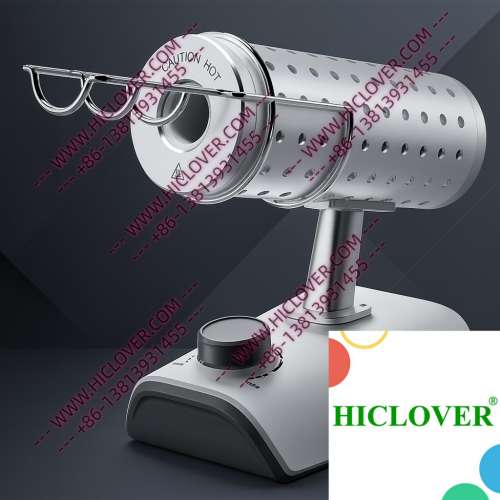
The Micro Incinerator operates using a unique principle of rapid thermal sterilization, leveraging infrared high-temperature disinfection. The core of this technology is an enclosed ceramic heating chamber that heats up quickly and evenly, ensuring rapid sterilization of inoculating loops, needles, and other laboratory tools.
Traditional flame sterilizers, such as alcohol lamps and Bunsen burners, have been widely used in laboratories for years. However, they come with notable drawbacks—risk of contamination from open flames, production of aerosols, and challenges in maintaining sterile conditions in clean rooms. In contrast, Micro Incinerators provide an efficient and safe alternative, suitable for various lab settings.
Key Features of the Micro Incinerator
- Rapid Heating: The infrared technology allows for instant heat generation, reducing waiting times and enhancing lab throughput.
- Contamination Control: The enclosed design minimizes exposure to environmental contaminants, ensuring a sterile working area.
- Portability: Many models are compact and lightweight, making them suitable for field testing and remote laboratory environments.
- Aerosol-Free Handling: Unlike traditional flame sterilizers, the Micro Incinerator eliminates the risk of aerosol generation, ensuring a safer work environment.
Applications of Micro Incinerators in Real Laboratories
The versatility of Micro Incinerators allows for diverse applications across various laboratory environments.
1. University Teaching Labs
In university teaching labs, instructors and students rely heavily on reliable sterilization methods to maintain biosafety standards. Micro Incinerators facilitate hands-on training in microbiology, providing students with the tools to practice effective contamination control. The rapid heating feature not only reduces time wasted but also encourages a more engaging learning experience by allowing more practice sessions in sterilization techniques. Additionally, the safety aspect is paramount, as students are less likely to experience hazards commonly associated with open flames.
2. Field Testing Laboratories
Field testing labs often work in challenging environments where traditional sterilization methods may not be practical. Micro Incinerators offer a portable solution that can be utilized in various locations while ensuring compliance with biosafety standards. For instance, in areas conducting environmental sampling for clinical diagnostics, these devices provide quick sterilization of tools without the need for access to electric outlets, thanks to battery-operated versions.
Compliance and Environmental Considerations
The World Health Organization (WHO) and various biosafety regulations emphasize the need for effective sterilization practices in laboratories, particularly those operating under BSL-2 and BSL-3 conditions. These regulations highlight the importance of maintaining sterile work environments, particularly for clinical diagnostics and medical research.
Moreover, using Micro Incinerators aligns with clean room standards, as they do not produce flames or aerosols that could compromise air quality. This aspect is crucial in sensitive environments, such as CO₂ incubators or anaerobic chambers, where maintaining uncontaminated conditions is essential for accurate testing results.
Comparison of Micro Incinerators and Traditional Flame Sterilizers
| Feature | Micro Incinerator | Flame Sterilizer |
|---|---|---|
| Heating Speed | Instant | Variable |
| Safety Risk | Low (Aerosol-free) | High (Open flame) |
| Portability | High | Moderate |
| Compliance | Meets clean room standards | May not |
| Heat Source | Infrared | Combustion |
FAQs about Micro Incinerators
What is the primary advantage of using a Micro Incinerator over traditional flame sterilizers?
The primary advantage is the rapid, aerosol-free sterilization achieved through infrared technology, enhancing safety and workflow efficiency.
Are Micro Incinerators suitable for use in clean rooms?
Yes, Micro Incinerators are designed to comply with clean room standards, minimizing contamination risks associated with open flames.
What types of laboratories can benefit from a Micro Incinerator?
Micro Incinerators are versatile tools suitable for university teaching labs, clinical diagnostics, BSL-2, and BSL-3 laboratories, as well as mobile testing facilities.
How often should the Micro Incinerator be maintained?
Regular maintenance is recommended according to the manufacturer’s guidelines, typically involving cleaning the ceramic heating chamber and inspecting the unit for any signs of wear.
Can I use different types of inoculating loops with a Micro Incinerator?
Yes, Micro Incinerators are designed to accommodate a variety of inoculating loops made of different materials, making them a flexible choice for laboratories.
Conclusion
As laboratories continue to evolve in complexity and safety requirements, the role of Micro Incinerators as a reliable sterilization solution is clear. Their advantages over traditional flame sterilizers not only enhance workflow efficiency but also prioritize safety in contamination control. For laboratories aiming to meet the highest standards of biosafety, incorporating Micro Incinerators into their sterilization practices is a sustainable choice that can lead to significant improvements in overall laboratory performance. To learn more about how Micro Incinerators can benefit your laboratory or to place an order, please feel free to contact us today!
Categories:
Tags: