
In modern laboratory settings, ensuring biosafety and effective sterilization is paramount. The pressure to adhere to stringent sterilization protocols has propelled laboratories to seek advanced sterilization solutions that not only meet compliance standards but also enhance workflow efficiency. Enter the Micro Incinerator — a pivotal piece of equipment designed for rapid thermal sterilization. This article delves into the costs, features, applications, and compliance standards surrounding the Micro Incinerator/Infrared Inoculating Loop Sterilizer.
Laboratory Sterilization: A Critical Need
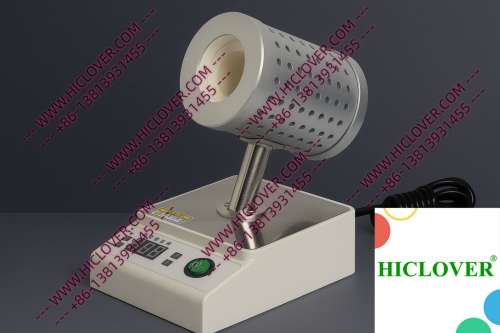
Laboratory environments, especially those categorized as BSL-2 or BSL-3, face inherent challenges in maintaining contamination control and ensuring that all tools and equipment are sterile. Traditional methods, such as the use of alcohol lamps and Bunsen burners, are being challenged due to their risk factors, including open flames and potential for bacterial aerosolization. These methods not only prolong sterilization times but can compromise the biosafety level of the lab. The introduction of the Micro Incinerator resolves these challenges by providing a consistent and efficient sterilization method.
Technical Principles Behind Micro Incinerators
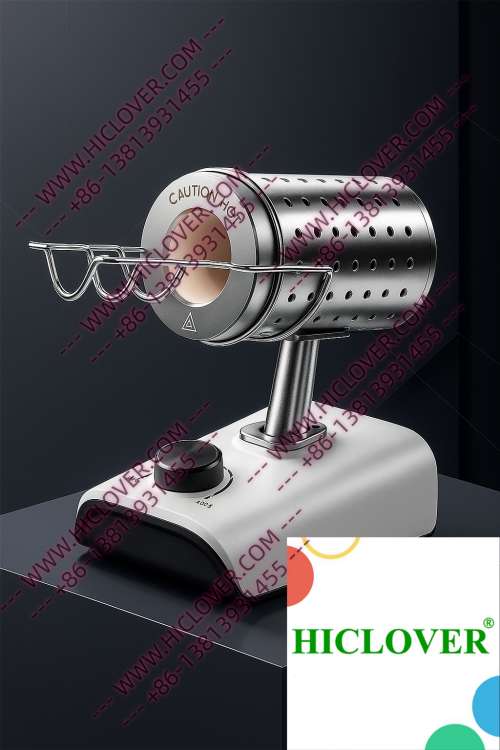
The Micro Incinerator operates on the principle of infrared heat, utilizing a ceramic heating element capable of reaching high temperatures swiftly. The enclosed ceramic tube design ensures that the sterilization process is rapid and effectively eliminates microbial life without the drawbacks of flame sterilizing methods. When an inoculating loop or other small instruments are inserted, they achieve an optimal temperature for sterilization within seconds, thus streamlining laboratory workflows and ensuring the highest standard of cleanliness.
Applications in Real Laboratories
Biosafety Cabinet Usage
The Micro Incinerator is particularly advantageous in settings such as biosafety cabinets, where maintaining sterility is critical. Researchers conducting microbial analysis can quickly sterilize inoculating loops without exposing the workspace to smoke or flame. This not only prevents contamination but also enhances the longevity and reliability of the biosafety measures in place.
Field Testing Laboratories
In mobile or field testing labs, access to electricity might be limited; thus, many models of Micro Incinerators are designed to be portable and from batteries, allowing scientists to perform sterilization tasks on the go. This also circumvents compliance issues associated with open flames in environments where sterilization is crucial but challenging.
Compliance and Environmental Impact
Compliance with guidelines set by organizations such as the World Health Organization (WHO) is fundamental for any laboratory involved in diagnostics or research. The Micro Incinerator complies with international lab sterilization standards, ensuring that results are valid and reliable. Its flame-free operation makes it ideal for use in clean rooms, where any open flame can introduce contaminants. Furthermore, its efficiency in minimizing aerosol production supports a safer working environment for all personnel.
Cost Considerations and Market Offerings
Pricing for Micro Incinerators can vary greatly depending on features, build quality, and brand recognition. On average, a high-quality Micro Incinerator might range from $400 to $1200. Factors influencing these prices include the heating mechanism, capacity, and additional features such as digital readouts or safety shutoff mechanisms. Below is a simplistic comparison of Micro Incinerators versus traditional flame burners:
| Feature | Micro Incinerator | Flame Sterilizers |
|---|---|---|
| Temperature Control | Precise and adjustable | Varies, difficult to control |
| Safety | No open flame | Open flame present |
| Speed | Rapid thermal sterilization | Variable, slower to heat |
| Portability | Portable options available | Stationary setup required |
| Compliance | Meets WHO standards | Not compliant with clean room standards |
Frequently Asked Questions (FAQs)
- What makes a Micro Incinerator safer than alcohol burners?
Micro Incinerators eliminate the risks associated with open flames, reducing the chance of fire hazards and contamination. - How do I maintain my Micro Incinerator?
Regular cleaning of the ceramic tube and ensuring that it is stored in a dry environment extends its lifespan and maintains efficiency. - Are Micro Incinerators suitable for fieldwork?
Yes, many models are designed for portability and can operate under various field conditions, ensuring rapid sterilization even in outdoor settings. - What are the energy requirements for operating a Micro Incinerator?
Most models can operate on standard electrical outlets, while portable versions may offer battery options. - Can Micro Incinerators handle all types of inoculating devices?
Yes, they are designed to efficiently sterilize a variety of lab equipment, including inoculating loops, needles, and forceps.
Conclusion: Invest in Modern Sterilization Solutions
As laboratories continue to evolve, embracing advanced sterilization methods is essential. The Micro Incinerator offers a modern solution to traditional sterilization challenges, ensuring compliance, safety, and efficiency across all environments. If you’re looking to upgrade your sterilization equipment or have questions about specific models, feel free to reach out to our team for expert guidance and purchase inquiries.
Categories:
Tags: