
In the world of laboratory biosafety, ensuring effective sterilization is paramount. Laboratories, especially those dealing with potentially hazardous biological agents or high-throughput clinical diagnostics, face significant challenges in adhering to sterilization protocols. The demand for efficient sterilization workflows has led to innovations such as the Micro Incinerator or Infrared Inoculating Loop Sterilizer, which provides rapid thermal sterilization without the risks associated with traditional flame sterilizers.
Understanding the Technical Principle
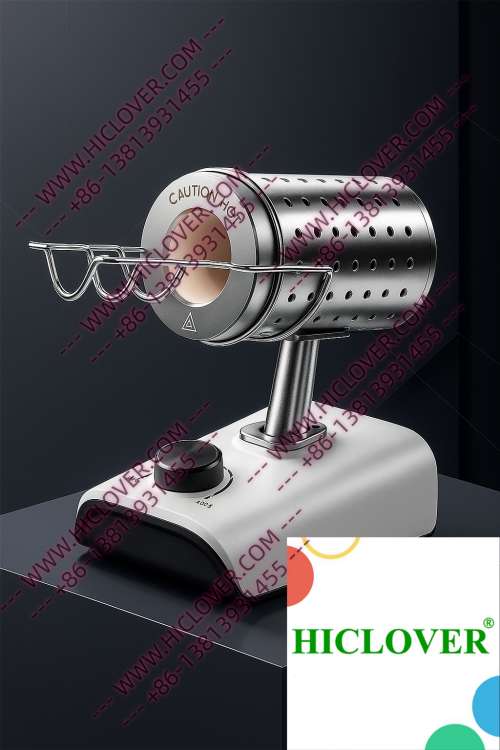
The Micro Incinerator operates on the principle of infrared heat within an enclosed ceramic tube. This design ensures that the inoculating loops, needles, and other instruments reach the necessary high temperatures for effective sterilization—typically above 800°C—within seconds. Unlike alcohol lamps and Bunsen burners that may expose operators to open flames and combustion byproducts, infrared sterilizers minimize aerosol dispersion and enhance user safety, making them ideal for clean-bench-safe environments.
Applications in Real Laboratory Settings
- Biosafety Cabinet Operations: In BSL-2 and BSL-3 microbiology labs where containment of aerosols is critical, the Micro Incinerator allows for efficient sterilization of inoculating loops without creating harmful fumes. Its rapid heating capabilities significantly reduce the waiting time often associated with conventional flame sterilization.
- Field Testing: During mobile field tests, where portability and ease of use are vital, the compact design of the infrared inoculating loop sterilizer makes it an invaluable asset. It can be deployed in various outdoor settings while ensuring that contamination control is maintained with minimal setup.
Compliance and Environmental Considerations
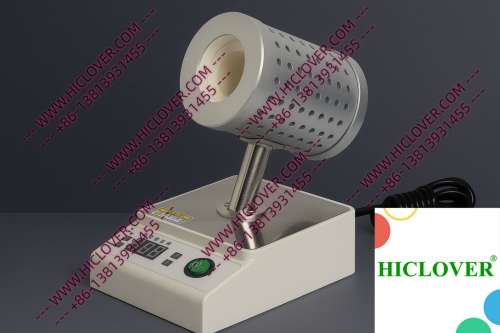
Adhering to global health standards is crucial for laboratories, particularly in light of the WHO biosafety guidelines. Laboratories must maintain a strict compliance framework to ensure safety for both personnel and the environment. The use of flame sterilizers in clean rooms is discouraged due to potential contamination risks. The Micro Incinerator, being flame-free, supports compliance with laboratory sterilization standards, significantly lowering the risk of combustible accidents and improving overall workplace safety.
“Laboratories must choose sterilization methods that prioritize safety and efficiency, ultimately protecting healthcare workers and the environment alike.”
Comparison: Micro Incinerator vs. Traditional Flame Burners
| Feature | Micro Incinerator | Flame Burners |
|---|---|---|
| Heating Time | Seconds | Minutes |
| Flame Exposure | No | Yes |
| Aerosol Generation | Minimal | High |
| Portability | High | Limited |
| Safety | High | Medium |
FAQs
What is the main advantage of using a Micro Incinerator over a flame sterilizer?
The primary advantage is the speed at which it reaches sterilization temperatures, along with enhanced safety due to the absence of an open flame, making it less hazardous for users in various lab environments.
Can I use the Micro Incinerator in a BSL-3 laboratory?
Yes, the Micro Incinerator is particularly suited for BSL-3 labs as it minimizes aerosol exposure risks, thus maintaining contamination control.
How does the Micro Incinerator comply with WHO standards?
The Micro Incinerator adheres to strict biosafety protocols, offering a safer alternative to traditional flame sterilization methods, thereby reducing health risks and promoting compliance with WHO sterilization mandates.
Is the Micro Incinerator suitable for field testing?
Absolutely! Its compact size and quick operational capabilities make it perfect for mobile field testing scenarios.
What is the average lifespan of a Micro Incinerator?
Typically, a well-maintained Micro Incinerator can last for several years, depending on usage frequency and laboratory conditions.
Conclusion
For laboratories in Dar es Salaam and beyond, the option of utilizing a Micro Incinerator / Infrared Inoculating Loop Sterilizer is not just about following standard procedure; it’s about embracing an innovative solution that enhances safety, efficiency, and compliance. By switching to an infrared sterilizer, labs can overcome biosafety challenges and improve their sterilization workflows. To discover how we can help you enhance your lab’s sterilization processes, please contact us for more information or to discuss purchase options.
Categories:
Tags: