
Within modern healthcare environments, safety and reliability are paramount, particularly in laboratories where the risk of contamination can impact patient outcomes. Abu Dhabi hospitals face the challenge of maintaining rigorous biosafety standards, as healthcare providers must ensure that all laboratory instruments are appropriately sterilized. The demand for efficient laboratory sterilization equipment has never been higher, and among the most effective solutions available is the Micro Incinerator / Infrared Inoculating Loop Sterilizer.
Laboratory Biosafety Challenges
Laboratories, especially those operating within the BSL-2 and BSL-3 categories, grapple with the constant pressure to maintain optimal sterilization workflows. The traditional methods of sterilization, such as using alcohol lamps or Bunsen burners, present several downsides. These flame-based systems not only pose a risk of personal injury or larger fires but also produce aerosols that can compromise clean environments. Consequently, enhanced sterilization methods are necessary to minimize contamination risks while ensuring rapid thermal sterilization.
Technical Principles of Micro Incinerators
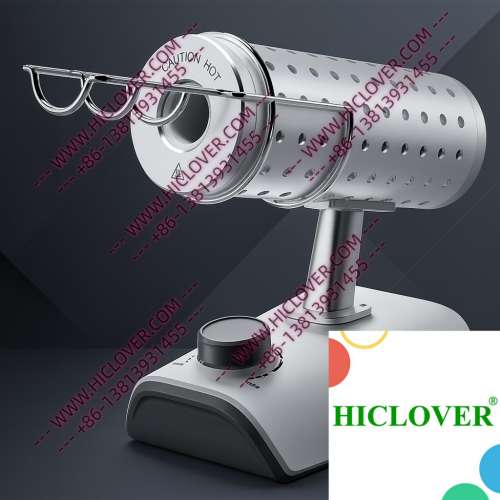
Micro Incinerators utilize infrared high-temperature disinfection mechanisms by employing an enclosed ceramic tube that facilitates efficient heat transfer. Unlike traditional flame sterilizers, these devices produce rapid thermal heating, ensuring the effective sterilization of inoculating loops and other instruments without generating harmful aerosols. The ceramic heating chamber allows for a consistent and controlled heating environment, guiding laboratory personnel towards contamination control practices that align with contemporary biosafety standards.
Application Scenarios in Real Labs
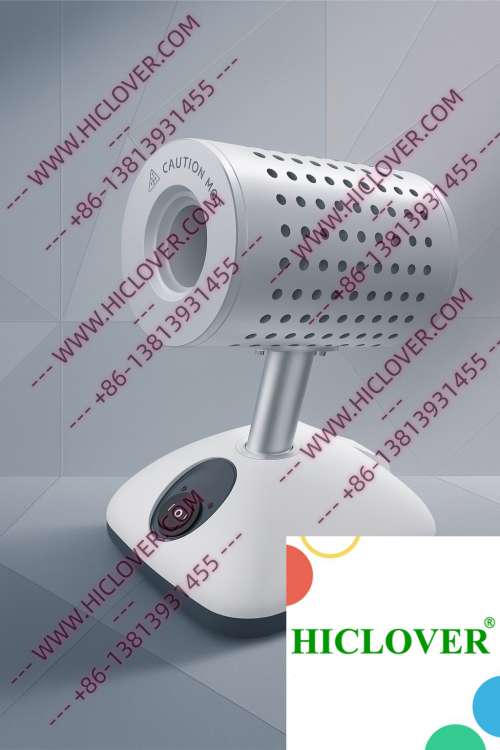
Micro Incinerators have a wide range of applications in various laboratory settings:
- Biosafety Cabinets: In BSL-2 or BSL-3 labs, where pathogens are handled, micro incinerators provide a clean-bench-safe sterilization solution. Their design prevents the spread of aerosols, enabling researchers to effectively sterilize tools while working in a controlled environment.
- Field Testing: Mobile units equipped with micro incinerators are indispensable during field testing of clinical diagnostics. These devices allow researchers to maintain sterilization protocols outside traditional laboratory settings, ensuring safe sample collection without risking contamination.
Compliance and Environmental Safety
Globally recognized protocols, such as those set forth by the World Health Organization (WHO), outline essential lab sterilization standards to ensure patient and personnel safety. In clean rooms, where even the slightest contamination can lead to significant issues, the no flame requirement is critical. The use of Micro Incinerators aligns with these standards, as they eliminate the risk of combustion and contribute to a safer laboratory atmosphere.
Advantages Over Traditional Flame Sterilizers
When comparing Micro Incinerators to traditional flame sterilizers, such as alcohol lamps and Bunsen burners, several key advantages become apparent:
| Feature | Micro Incinerator | Flame Sterilizers |
|---|---|---|
| Safety | No open flame, reduced risk of fire | Open flame, higher risk of accidents |
| Aerosol Control | Aerosol-free operation | Aerosol generation from combustion |
| Efficiency | Rapid thermal sterilization | Variable heating time |
| Operational Cost | Low energy consumption | Higher fuel costs |
Frequently Asked Questions
What is a Micro Incinerator used for?
A Micro Incinerator is utilized for sterilizing inoculating loops and other lab instruments to prevent contamination in microbiological and clinical diagnostics laboratories.
How does infrared sterilization compare to traditional methods?
Infrared sterilization, as employed by Micro Incinerators, offers quicker heat up times, no combustion-related aerosols, and a consistent sterilizing temperature compared to traditional flame methods.
Are Micro Incinerators expensive to operate?
No, they are designed for low energy consumption, making them cost-effective alternatives to traditional flame sterilizers.
Can Micro Incinerators be used in clean rooms?
Yes, Micro Incinerators are compliant with clean room standards where combustion is not permitted, providing a safe solution for sterilization.
What safety features do Micro Incinerators have?
Many models come with enclosed heating chambers and automatic shut-off features, ensuring user safety and efficient operation.
Conclusion
The integration of Micro Incinerators / Infrared Inoculating Loop Sterilizers into laboratory workflows is essential for maintaining high biosafety standards in Abu Dhabi hospitals. Their efficiency, safety, and compliance with stringent regulations make them a vital resource for healthcare professionals. For those seeking to enhance sterilization practices, implementing micro incinerators is a wise choice that advances patient safety and laboratory efficiency. Contact us today to learn more about our sterilization solutions or to request a quote.
Categories:
Tags: