
Laboratories, especially those tasked with PCR testing and clinical diagnostics, face significant biosafety challenges. The risk of contamination is a prominent concern, making laboratory sterilization equipment essential in maintaining safe working environments. In Wuhan’s hospitals, where the demand for precise and rapid testing has surged, the application of efficacious sterilization methods, particularly the use of Micro Incinerators or Infrared Inoculating Loop Sterilizers, plays an integral role in the laboratory workflow.
The Technical Principle Behind Micro Incinerators
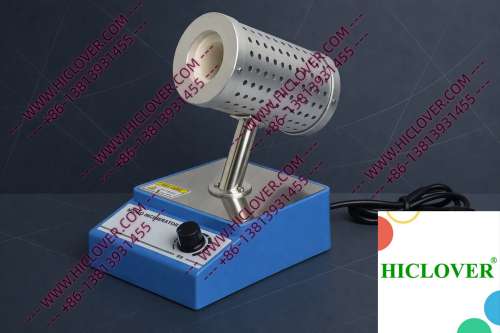
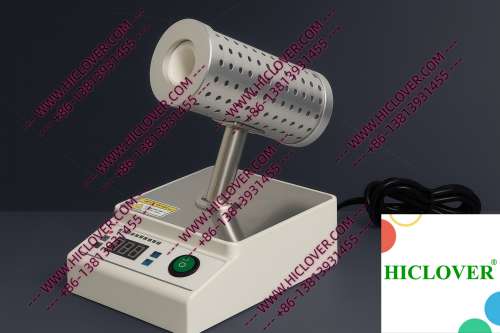
Micro Incinerators utilize cutting-edge infrared technology to deliver rapid thermal sterilization. This equipment features a ceramic heating chamber that provides high-temperature disinfection, ensuring that inoculating loops and other lab tools are effectively sterilized within seconds. Unlike traditional flame sterilizers, which rely on open flames and pose increased risks of fire hazards and cross-contamination, the infrared design guarantees a clean-bench-safe environment.
Advantages Over Traditional Flame Sterilizers
| Feature | Micro Incinerator | Flame Sterilizers |
|---|---|---|
| Safety | Low risk of fire and fumes | High risk of fire and smoke contamination |
| Efficiency | Rapid sterilization (seconds) | Variable time (depends on flame control) |
| Cleanliness | Designed for aerosol-free handling | May produce aerosols during use |
| Environmental Compliance | Meets WHO biosafety standards | May violate clean room protocols |
Application Scenarios in Wuhan’s Lab Environment
Biosafety Cabinets and Micro Incinerators
Biosafety cabinets serve as critical barriers to contamination in laboratories handling infectious agents. Integrating Micro Incinerators within these cabinets allows for effective sterilization of inoculating loops while maintaining the integrity of the biosafety environment. As technicians perform PCR tests on clinical samples, the ability to swiftly and safely sterilize instruments mitigates the risk of cross-contamination, which is vital for accurate testing outcomes.
Field Testing and Remote Applications
Wuhan’s urban landscape has also seen an increased demand for mobile or field testing labs, especially during outbreak responses. Micro Incinerators are lightweight, portable, and efficient, making them ideal for these settings. Field microbiologists can ensure the effectiveness of their sampling equipment without the need for bulky and traditional flame sterilizers, thus enhancing their operational efficiency.
Compliance with Sterilization Standards
Global standards for laboratory environments, including those instituted by the World Health Organization (WHO) and other regulatory bodies, highlight the necessity of proper sterilization techniques. Adherence to biosafety protocols ensures control against contamination in hospitals and laboratories. In clean rooms, for instance, no flame sterilization is permitted to prevent the release of particulates and aerosols. Utilizing a Micro Incinerator aligns with these requirements, ensuring compliance and maintaining a safe working space.
This is increasingly significant for BSL-2 and BSL-3 microbiology labs in Wuhan, as the handling of pathogens necessitates rigorous sterilization strategies to protect laboratory staff and the surrounding environment.
- Clean and safe operation
- Rapid sterilization speeds
- Environmentally friendly design
- Compliance with international biosafety standards
Educational Use in University Teaching Labs
In educational settings, teaching labs must provide students with reliable and safe methods for sterilization. The Micro Incinerator serves as an excellent tool to demonstrate the principles of microbiology while ensuring a high standard of safety in teaching laboratories. This practical approach enhances student understanding and practice in essential lab techniques.
Frequently Asked Questions
What types of instruments can be sterilized using a Micro Incinerator?
The Micro Incinerator is designed for sterilizing inoculation loops, needles, and other small metal instruments commonly used in microbiology laboratories.
How does a Micro Incinerator compare to traditional flame sterilizers?
Micro Incinerators offer quicker sterilization times, enhanced safety, and reduced risk of cross-contamination compared to traditional flame sterilizers, resulting in a more reliable and efficient sterilization process.
Is a Micro Incinerator compliant with WHO biosafety standards?
Yes, Micro Incinerators are designed to meet WHO biosafety standards, making them appropriate for use in various laboratory settings, including BSL-2 and BSL-3 labs.
Can Micro Incinerators be used in clean rooms?
Yes, Micro Incinerators are flame-free, making them an appropriate choice for use in clean rooms where open flames are prohibited.
How long does it take for the Micro Incinerator to sterilize instruments?
Typical sterilization time is just a few seconds, allowing for rapid re-use of instruments during laboratory operations.
Conclusion
The integration of Micro Incinerators in Wuhan’s hospital laboratories is not just a choice; it’s a necessity for ensuring safety and compliance in laboratory sterilization practices. As the demand for high-quality clinical diagnostics continues to rise, so does the imperative for reliable sterilization solutions. By choosing advanced sterilization equipment like the Micro Incinerator, laboratories can enhance their workflow efficiency while maintaining the highest safety standards.
For further information or to inquire about our Micro Incinerator models, please reach out to us. Your laboratory’s safety and operational efficiency are our priorities!