
As healthcare facilities across Chongqing strive to enhance their biosafety protocols, the sterilization workflow in laboratories faces increasing challenges. Laboratories rely on efficient sterilization methods to ensure complete contamination control, thus guaranteeing the safety of patients and staff. Enter the Micro Incinerator / Infrared Inoculating Loop Sterilizer, an exemplary model of laboratory sterilization equipment revolutionizing healthcare practices.
Technical Principles: How Infrared Loop Sterilizers Work
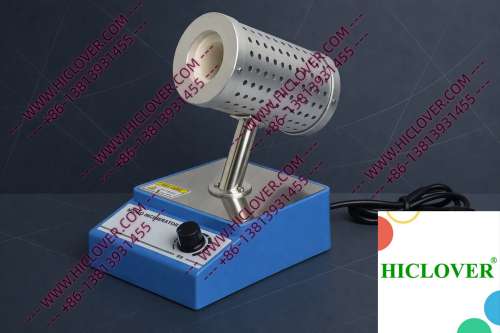
The Micro Incinerator employs advanced infrared heat technology, utilizing a ceramic heating chamber that provides rapid thermal sterilization. The enclosed ceramic tube efficiently generates high temperatures to eliminate microbial life, offering a clean and controlled method of inoculating loop sterilization.
Unlike traditional flame sterilizers, which produce soot and are prone to introducing contaminants, infrared loop sterilizers heat the inoculating loops efficiently and evenly, ensuring that the risk of aerosol generation is minimized. This advanced technology makes it particularly suitable for sensitive environments such as clean benches and BSL-2 laboratories.
Application Scenarios in Chongqing’s Laboratories
Chongqing’s healthcare facilities are increasingly implementing Micro Incinerators in various lab applications:
- Biosafety Cabinets: Within BSL-2 microbiology labs, where controlling airborne pathogens is essential, infrared loop sterilizers provide an efficient solution. The compact design allows them to fit seamlessly into biosafety cabinets, ensuring that all tools used remain sterile and that the surrounding environment stays uncontaminated.
- Field Testing Laboratories: In remote testing scenarios where field conditions may vary, portable infrared inoculating loop sterilizers are gaining traction. Their lightweight design and reliance on electric power make them suitable for laboratory settings far from traditional sterilization infrastructure.
- Teaching Laboratories: Academic institutions, including universities in Chongqing, utilize these devices in teaching labs. The flame-free operation greatly reduces risks associated with young students learning sterile techniques.
Compliance and Environmental Considerations
When it comes to laboratory sterilization, adherence to WHO biosafety standards is non-negotiable. The Micro Incinerator aligns with these standards by eliminating the need to use open flames that can compromise cleanroom environments. Furthermore, the implementation of a no-flame approach is essential in clinical diagnostics and BSL-3 laboratories, where potential contamination could have severe repercussions.
Comparative Analysis: Micro Incinerator vs. Traditional Flame Sterilizers
| Feature | Micro Incinerator | Traditional Flame Sterilizers |
|---|---|---|
| Heating Method | Infrared Heat | Open Flame |
| Contamination Control | High, due to flame-free operation | Limited, risk of soot and aerosols |
| Portability | High (lightweight and electric) | Low (requires gas source) |
| Initial Cost | Moderate investment | Generally lower initial costs |
| Operational Safety | Safe, no flames | Higher risk of fire hazards |
Frequently Asked Questions
What are the key advantages of using a Micro Incinerator in my laboratory?
Micro Incinerators provide rapid thermal sterilization without the hazards associated with open flames, making them ideal for use in cleanroom environments and sensitive laboratories.
Can a Micro Incinerator be used in field testing labs?
Yes, the lightweight and portable design makes the Micro Incinerator suitable for field applications, ensuring sterilization can be performed anywhere without compromising safety or efficiency.
How does the Micro Incinerator enhance biosafety compared to traditional methods?
By eliminating the open flame, the Micro Incinerator minimizes the risk of contamination and aerosol generation, complying with WHO biosafety standards and improving overall lab safety.
Is it easy to integrate a Micro Incinerator into existing laboratory setups?
Absolutely! The compact and electric-powered nature of the Micro Incinerator allows easy integration into various lab layouts, including biosafety cabinets and teaching labs.
Is there any maintenance required for the Micro Incinerator?
Yes, regular cleaning of the ceramic heating chamber and ensuring the unit is properly calibrated are essential for optimal performance and longevity.
Conclusion
The integration of Micro Incinerators into Chongqing’s hospitals and laboratories represents a significant advancement in laboratory practices. By enhancing biosafety, improving workflow efficiencies, and providing a reliable method for sterilization, they are poised to become indispensable in lab environments. If your laboratory is in need of reliable, safe, and efficient sterilization solutions, consider investing in high-quality Micro Incinerators. Contact us today to discuss how we can support your laboratory needs and enhance your healthcare outcomes.
Categories:
Tags: