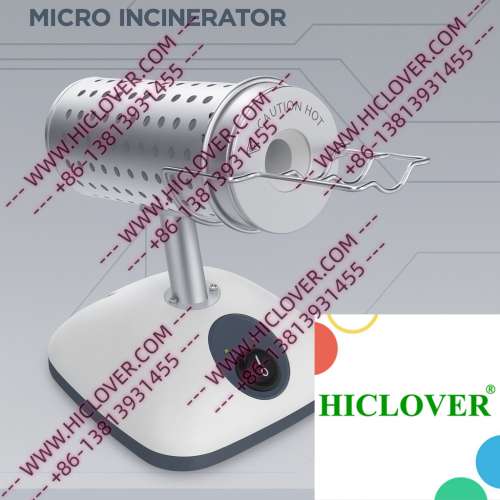
In the bustling healthcare landscape of Casablanca hospitals, the challenges of laboratory biosafety and sterilization workflow management are more pronounced than ever. As the demand for efficient waste management solutions grows, the spotlight is turning towards innovative technologies such as micro incinerators. These devices, particularly the Infrared Inoculating Loop Sterilizer, are setting new standards in laboratory sterilization equipment, offering effective contamination control and promoting a cleaner, safer work environment.
Understanding Micro Incinerators
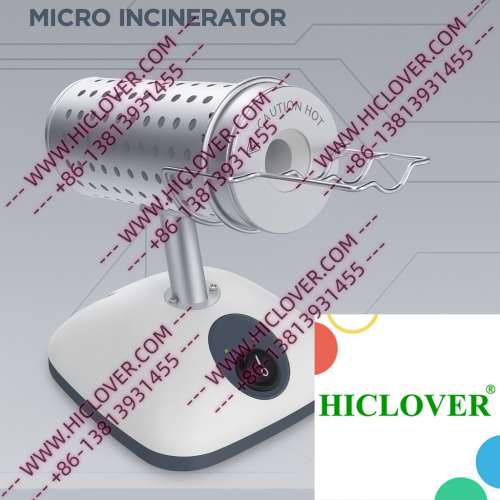
Micro incinerators utilize rapid thermal sterilization to ensure the immediate destruction of biological waste. The core technology relies on an enclosed ceramic tube that harnesses infrared heat for high-temperature disinfection. When heated, this ceramic chamber provides consistent and controlled temperatures, unlike traditional flame sterilizers that may produce uneven heating and risk the release of harmful aerosols.
- Infrared high-temperature disinfection
- Clean-bench-safe operation
- Aerosol-free handling
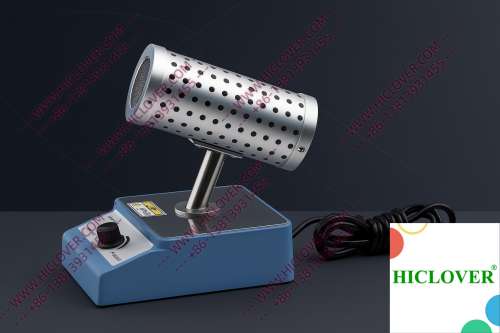
In contrast to conventional alcohol lamps or Bunsen burners, micro incinerators enhance laboratory safety by eliminating open flames. This feature is especially critical in biosafety level labs (BSL-2 and BSL-3), where the risk of contamination must be minimized effectively.
Efficiency in Real Lab Environments
Application Scenario 1: Teaching Labs
In university teaching laboratories, students frequently engage in activities requiring the sterilization of inoculating tools. Utilizing micro incinerators ensures that these tools are rapidly sterilized before and after use, streamlining the sterilization workflow. This high level of operational efficiency not only advances educational outcomes but also reinforces the critical importance of laboratory safety protocols to students.
Application Scenario 2: Field Testing
Field testing often involves demanding conditions where comprehensive sterilization equipment is not readily available. By incorporating portable micro incinerators, researchers can assure consistent contamination control even in remote areas. This approach allows for the safe handling of specimens, minimizing the risk of pathogen transmission and protecting both field researchers and the public.
Compliance and Environmental Considerations
Adherence to international biosafety standards is paramount for laboratories in Casablanca. The World Health Organization (WHO) provides guidelines that underline the importance of safe waste management practices, particularly in clinical settings. Micro incinerators align with WHO biosafety protocols by ensuring rapid, effective, and environmentally responsible waste destruction without producing hazardous byproducts. Moreover, the implementation of micro incinerators supports laboratory sterilization standards that demand fire-free operations within clean rooms.
Micro Incinerator vs. Flame Sterilizers
| Feature | Micro Incinerator | Flame Sterilizers |
|---|---|---|
| Heating Method | Infrared | Open Flame |
| Operational Safety | High – Aerosol-free | Medium – Risk of contamination |
| Energy Efficiency | Highly Efficient | Less Efficient |
| Ease of Use | Simple One-step Operation | Requires Skill/Practice |
| Cleaning | Easy Maintenance | Challenging Residue Cleanup |
Frequently Asked Questions
- What is a micro incinerator, and how does it work?
A micro incinerator is a compact sterilization device that utilizes infrared heat to rapidly and effectively sterilize inoculating loops and other lab equipment.
- Why is a micro incinerator better than a traditional flame sterilizer?
Micro incinerators offer superior safety through aerosol-free operation and consistent heat application, minimizing the risk of contamination.
- Can micro incinerators be used in clean rooms?
Yes, micro incinerators are designed for use in clean rooms and comply with biosafety regulations that eliminate the need for open flames.
- How does micro incineration impact laboratory workflows?
Micro incinerators streamline sterilization processes, leading to increased efficiency and improved safety practices within laboratory workflows.
- Where can I obtain a micro incinerator for my laboratory?
You can contact specialized laboratory supply distributors or manufacturers who offer micro incinerators tailored for various laboratory needs.
Conclusion
The introduction of micro incinerators, particularly in Casablanca hospitals, marks a major advance in laboratory sterilization technology. With their ability to enhance safety, improve operational workflows, and ensure compliance with international biosafety standards, these innovative devices are redefining waste management practices in medical environments.
If you’re looking to upgrade your laboratory sterilization equipment, consider investing in a micro incinerator. These devices not only promise enhanced safety but also contribute to a sustainable future for waste management in healthcare settings. Contact us today to learn more about our range of high-quality micro incinerators!
Categories:
Tags: