
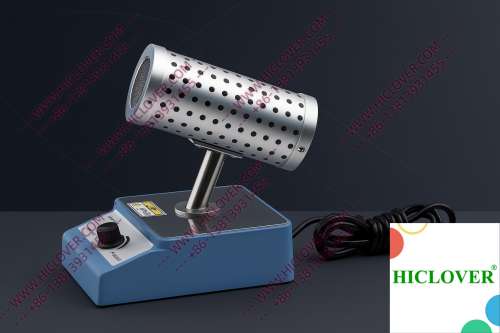
As Jakarta hospitals grapple with the escalating challenges of medical waste management and sterilization demands, innovative solutions are emerging that not only enhance biosafety protocols but also streamline operational workflows. Among these solutions, the Micro Incinerator, specifically the Infrared Inoculating Loop Sterilizer, is revolutionizing laboratory practices. This article delves into the growing significance of this technology in sterile environments, especially in bustling metropolitan areas like Jakarta.
The Challenge of Biosafety and Laboratory Sterilization
The ever-increasing patient load in Jakarta’s hospitals translates into a surge in medical and laboratory waste. Traditional sterilization methods often fall short of meeting the rigorous standards required to ensure laboratory safety and compliance. The use of flame sterilizers such as alcohol lamps and Bunsen burners, while common, poses inherent risks of contamination and could compromise sterilization quality. Moreover, the generation of aerosols can endanger laboratory personnel and the surrounding environment.
Why the Micro Incinerator Stands Out
The Micro Incinerator operates on advanced technological principles that offer notable advantages in biosafety. Utilizing a ceramic heating chamber, it promotes rapid thermal sterilization through infrared heat. The enclosed design minimizes aerosol generation, making it an optimal choice for clean environments such as biosafety cabinets, where maintaining uncontaminated airflow is essential. The infrared high-temperature disinfection achieved by this equipment can efficiently destroy pathogens without the risks associated with open flames.
Technical Principles Behind Micro Incinerators
At the heart of the Micro Incinerator’s effectiveness is its innovative configuration:
- Ceramic Heating Tube: Provides efficient thermal conduction while maintaining even heat distribution.
- Temperature Control: Achieves sterilization temperatures rapidly, significantly reducing wait times.
- Safety Features: Enclosed operation prevents accidental ignition and eliminates open flames.
These technical features not only ensure compliance with laboratory safety standards but also facilitate the efficient handling of contamination control in various laboratory settings.
Application Scenarios in Jakarta Labs
Micro Incinerators find versatile applications across diverse environments:
1. Biosafety Cabinets
In high-containment labs such as those classified BSL-2 and BSL-3, Micro Incinerators serve as reliable sterilization equipment. Here, they play a pivotal role in ensuring that inoculating loops, needles, and other instruments are free of contaminants before use, thus safeguarding the integrity of experiments and the safety of personnel.
2. Mobile and Field Testing Labs
In the context of mobile testing labs, which are critical for disease outbreaks, the portable nature of the Micro Incinerator allows for immediate sterilization of equipment on-site. This ensures rapid response to contamination, maintaining the quality of test results while minimizing the risks associated with traditional methods.
Compliance and Environmental Considerations
The use of Micro Incinerators aligns with global biosafety standards as mandated by the World Health Organization (WHO). Facilities utilizing such advanced sterilization technologies can effectively adhere to:
- WHO guidelines for safe waste management.
- Laboratory sterilization standards stipulating the need for non-flame sterilization methods.
- Regulations concerning safe practices in clean rooms, where open flames pose significant risks.
By integrating these sterilizers into existing workflows, Jakarta hospitals are not only enhancing biosafety compliance but also actively contributing to environmental conservation by minimizing the release of harmful particles.
Comparative Overview: Micro Incinerator vs. Traditional Flame Burners
| Feature | Micro Incinerator | Traditional Flame Burners |
|---|---|---|
| Sterilization Efficiency | Rapid thermal sterilization without ignition risk | Slower, dependent on manual flame control |
| Aerosol Generation | Minimal; clean-bench-safe operation | High; risk of airborne contamination |
| Ease of Use | Simplified one-button operation | Manual ignition and flame maintenance |
| Safety | Enclosed design prevents burns | Open flames pose burn hazards |
Frequently Asked Questions
- What are the advantages of using a Micro Incinerator over traditional methods? The Micro Incinerator provides faster sterilization, reduced contamination risk, and eliminates the hazard of open flames.
- Can the Micro Incinerator be used in field-testing scenarios? Yes, its portable nature makes it ideal for mobile labs where immediate sterilization is crucial.
- What laboratory standards does the Micro Incinerator comply with? It conforms to WHO biosafety guidelines and laboratory sterilization standards.
- How does the Micro Incinerator enhance laboratory workflow? By providing rapid sterilization, it reduces downtime, allowing for more efficient laboratory operations.
- Is it safe to use within clean rooms? Absolutely! The enclosed design and non-flame operation make it clean-bench-safe.
Conclusion
The integration of Micro Incinerators into Jakarta’s hospital laboratories marks a significant leap toward improving sterilization practices and minimizing medical waste. This revolutionary technology not only adheres to stringent biosafety standards but also enhances the overall efficiency of laboratory workflows. For those involved in the supply of laboratory equipment, investing in Micro Incinerators will position your offerings at the forefront of the market. Contact us today to learn more about our range of sterilization equipment that can help you maintain the highest standards of safety and efficiency.
Categories:
Tags: