
In the field of laboratory sciences, maintaining a high level of biosafety can be challenging. From managing contamination risks to ensuring rapid sterilization of instruments, the demands on laboratory staff are immense. One essential piece of equipment at the heart of this sterilization process is the Micro Incinerator or Infrared Inoculating Loop Sterilizer. This guide explores how to choose the right device for your lab’s needs while addressing compliance standards and actual laboratory applications.
Understanding the Technical Principles
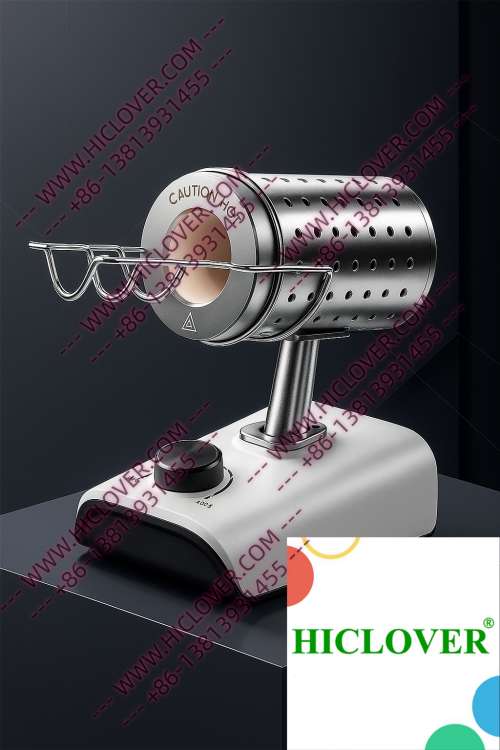
The Infrared Inoculating Loop Sterilizer operates on a simple yet effective principle—rapid thermal sterilization achieved through infrared heat. This technology utilizes a ceramic heating chamber to generate high temperatures that instantly disinfect inoculating loops and other tools. Unlike traditional flame sterilizers, which emit soot and require ongoing maintenance, infrared sterilizers provide a clean and efficient solution that minimizes aerosol generation.
Key Benefits of Micro Incinerators vs. Traditional Flame Sterilizers
- Time Efficiency: Infrared sterilizers can heat tools in seconds, thus improving workflow.
- Clean Operation: The closed design prevents contamination and keeps the lab environment safe.
- Aerosol-Free Handling: Reduce the risk of biohazard exposure in sensitive environments.
- Energy Efficient: Infrared devices tend to consume less energy than gas-powered alternatives.
- Low Maintenance: They require significantly less upkeep compared to alcohol lamps and Bunsen burners.
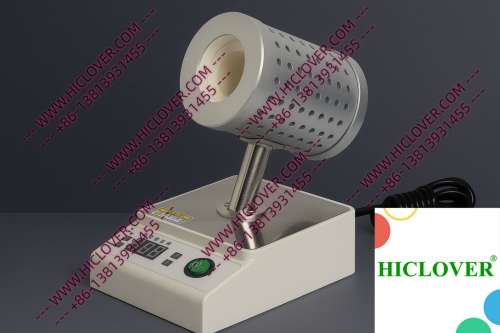
Real-World Applications of Micro Incinerators
Biosafety Cabinet Integration
In BSL-2 and BSL-3 microbiology labs, utilizing a Micro Incinerator provides enhanced sterilization without adding combustion byproducts to the environment. When placed inside a biosafety cabinet, the device promotes aerosol-free handling, essential for maintaining a sterile workspace. For instance, during the preparation of culture media, researchers can quickly sterilize loops without fear of cross-contamination, thus ensuring reliable results.
Field Testing and Mobile Labs
In mobile or field testing labs, where portability and reliability are crucial, infrared inoculating loop sterilizers prove invaluable. Imagine conducting research in a remote location; the ability to sterilize equipment rapidly without a traditional flame source is a game changer. Researchers can confidently prepare sterile samples on-site, ensuring the integrity of their work while adhering to biosafety standards.
Compliance with Biosafety Standards
When integrating sterilization equipment, awareness of compliance obligations is critical. The World Health Organization (WHO) has established biosafety standards emphasizing the importance of minimizing exposure to infectious agents. No-flame sterilization equipment is also a requirement in clean rooms where contamination control is paramount.
| Feature | Micro Incinerator | Traditional Flame Sterilizers |
|---|---|---|
| Heating Method | Infrared Heat | Open Flame |
| Contamination Control | Excellent | Variable |
| Safety | Low Risk of Fire | High Risk of Fire |
| Maintenance | Low | High |
FAQs on Micro Incinerators
1. What is the average lifespan of a Micro Incinerator?
Typically, with proper care and maintenance, a Micro Incinerator can last several years. It’s crucial to follow the manufacturer’s guidelines for optimal longevity.
2. Can I use a Micro Incinerator in a BSL-2 lab?
Yes, Micro Incinerators are ideally suited for BSL-2 laboratories as they adhere to strict biosafety protocols and minimize contamination risks.
3. How does the infrared heating compare to flame sterilization?
The infrared heating method offers rapid sterilization without the soot and contamination associated with flame sterilization, making it a cleaner and safer choice.
4. Are Micro Incinerators energy efficient?
Yes, they are designed to consume less energy than traditional gas-powered burners while delivering efficient performance in sterilization tasks.
5. Where can I purchase a high-quality Micro Incinerator?
Reputable laboratory supply distributors, hospitals, universities, and research centers often stock high-quality Micro Incinerators. For tailored purchasing, contact your preferred laboratory equipment supplier.
Conclusion
Adopting a Micro Incinerator in your lab represents a substantial upgrade in your sterilization process, offering enhanced safety, efficiency, and compliance. Whether you’re in a university teaching lab, a clinical diagnostics setting, or a mobile field testing lab, the benefits are unmistakable. If you’re ready to make a change that positively impacts your laboratory operations, don’t hesitate to reach out for more information or to request a quote on high-quality Micro Incinerators today!
Categories:
Tags: