
In today’s fast-evolving laboratory environments, biosafety challenges and sterilization workflow demands are ever-present. Laboratories are not just confined to sterile environments; they face a plethora of risks from contamination, requiring nuanced solutions that prioritize both safety and efficacy. As research progresses, traditional sterilizing methods such as alcohol lamps and Bunsen burners are showing their limitations in speed, efficiency, and safety in both laboratory and field settings. Enter advanced microbiology tool sterilizers, specifically the Micro Incinerator or Infrared Inoculating Loop Sterilizer, a remarkable development deeply integrated into modern sterilization workflows.
Technical Principles of Advanced Microbiology Tool Sterilizers
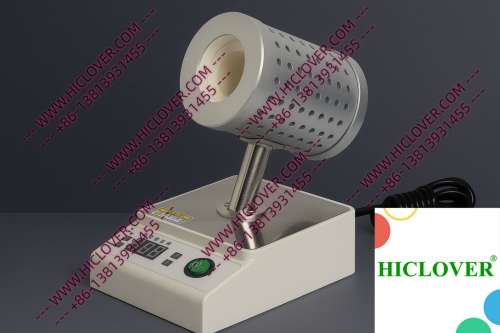
The core technology behind the Micro Incinerator centers around the principles of rapid thermal sterilization. Utilizing an enclosed ceramic heating chamber, the device generates infrared heat that can reach extreme temperatures within seconds. This feature allows for precise and effective disinfection of inoculating loops and other lab tools. The enclosed environment ensures aerosol-free handling, reducing the risk of airborne contamination.
Unlike traditional flame sterilizers, the Infrared Inoculating Loop Sterilizer provides a clean, safe solution ideal for various laboratory scenarios. The ceramic heating element doesn’t produce flames or soot, making it a safe choice for use in clean rooms or biosafety cabinets where fire hazards are a concern.
Key Applications of Micro Incinerators in Laboratories
- Biosafety Cabinets: Many biological laboratories, especially BSL-2 and BSL-3 facilities, prioritize contamination control. Utilizing a Micro Incinerator within a biosafety cabinet allows researchers to safely sterilize tools without introducing hazardous materials or open flames, enhancing both safety and efficiency.
- Teaching Labs: In university settings, teaching labs often face challenges relating to safety and efficiency in the sterilization processes. The Infrared Inoculating Loop Sterilizer simplifies the sterilization procedure for students, allowing for consistent training while minimizing safety risks associated with flame use.
- Field Testing/Labs: In mobile and field testing situations, the portability and efficiency of a Micro Incinerator become invaluable. Researchers working with sensitive or hazardous samples can achieve rapid and effective sterilization on-site without the complications of transporting bulky, traditional sterilization equipment.
Compliance and Environmental Considerations
Compliance with lab sterilization standards is non-negotiable in any research or medical environment. The World Health Organization (WHO) underscores the importance of maintaining precautions in biosafety and sterilization procedures. The adoption of flame-free sterilization methods such as the Infrared Inoculating Loop Sterilizer meets this compliance while also catering to stringent requirements in clean-room conditions.
With an increasing demand for sustainable practices within laboratories, the Micro Incinerator aligns with environmental safety protocols, eliminating risks associated with flammable materials. This innovation enables laboratories to maintain compliance without sacrificing workflow efficiency or safety.
Comparison: Micro Incinerator vs. Traditional Flame Burners
| Feature | Micro Incinerator | Flame Burners (Alcohol Lamp / Bunsen Burner) |
|---|---|---|
| Heating Method | Infrared heat | Open flame |
| Speed | Immediate heating and cooling | Slower temperature adjustment |
| Safety | Aerosol-free, minimizes fire risk | Flame hazard |
| Portability | Compact, easy for fieldwork | Bulkier, more difficult to transport |
| Cleanliness | No soot, easy to clean | Produces soot, difficult to maintain |
FAQs
What makes Micro Incinerators preferable over traditional methods?
Micro Incinerators offer rapid sterilization without open flames, significantly reducing contamination risk while ensuring high-temperature disinfection.
Can Micro Incinerators be used in clean rooms?
Yes, they are specifically designed for use in clean environments due to their flame-free operation and minimal aerosol production.
Are Micro Incinerators suitable for educational use in laboratories?
Definitely! Their user-friendly design allows for educational settings, providing a safe and efficient way for students to learn sterilization techniques.
How do Micro Incinerators maintain compliance with safety standards?
The use of Micro Incinerators aligns with WHO biosafety guidelines and laboratory sterilization standards through their flame-free technology, significantly reducing fire hazards.
What types of samples can be sterilized using a Micro Incinerator?
Micro Incinerators can effectively sterilize inoculating loops, test tubes, and other lab instruments that require high-level disinfection.
Conclusion: Elevate Your Lab Efficiency with Micro Incinerators
The move towards advanced sterilization technology, such as the Micro Incinerator or Infrared Inoculating Loop Sterilizer, is not merely a trend, but a response to evolving laboratory demands. By investing in such advanced microbiology tools, laboratories can enhance workflow efficiency, meet compliance standards, and maintain higher hygiene levels. For institutions focused on research and education, transitioning to these advanced sterilization methods not only protects personnel but also ensures the integrity of valuable samples. To learn more about how the Micro Incinerator can benefit your institution, feel free to reach out or explore purchasing options today!
Categories:
Tags: