
In the fight against plastic pollution, many nations are exploring innovative waste disposal solutions to address growing environmental challenges. Cameroon, in particular, faces a significant laboratory biosafety challenge, especially in teaching universities, research institutions, and clinical diagnostics. Sanitation protocols in these environments are critical, as they generate hazardous biological waste that needs effective management.
The Role of Laboratory Sterilization Equipment
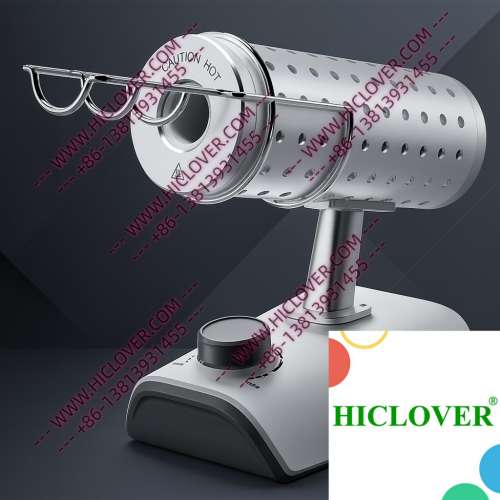
Among the tools revolutionizing waste disposal are portable micro incinerators, particularly the Infrared Inoculating Loop Sterilizer. This advanced device provides rapid thermal sterilization, ensuring that biological contaminants are destroyed efficiently while reducing the overall carbon footprint associated with conventional waste disposal methods.
Technical Principles Behind Micro Incinerators
Micro incinerators utilize an enclosed ceramic heating chamber that generates high temperatures via infrared heat. This method allows for precise temperature control without exposing materials to an open flame, thus maintaining a high level of contamination control. With a typical operational temperature exceeding 800°C, these devices provide infrared high-temperature disinfection that ensures complete sterilization of inoculating loops, needles, and waste, particularly in BSL-2 and BSL-3 microbiology laboratories.
Application Scenarios in Laboratories
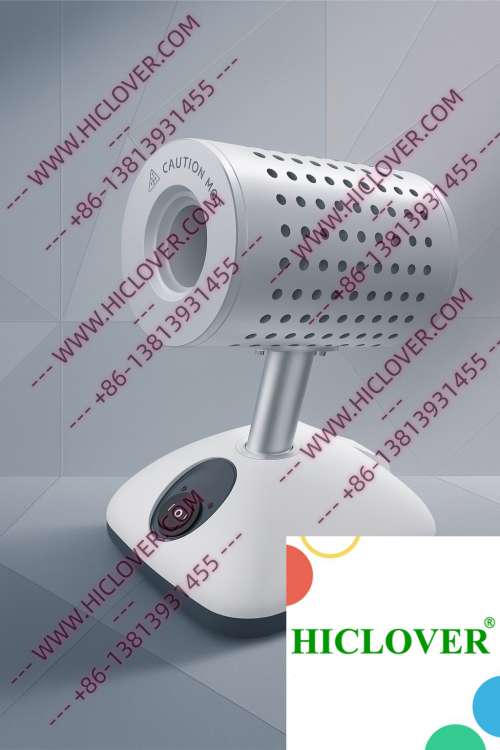
- Biosafety Cabinet Operations: In BSL-2 labs, micro incinerators are often employed within biosafety cabinets to quickly sterilize tools and prevent cross-contamination. They deliver instant results without compromising the clean environment essential for sensitive experiments.
- Mobile Field Testing: In remote regions, such as parts of Cameroon where laboratory facilities may be operationally limited, portable micro incinerators provide a means for field testing bio-samples. They facilitate efficient sterilization on-site, minimizing the risk of contamination and improving the reliability of test results.
Compliance with Lab Sterilization Standards
With an emphasis on safety and regulatory compliance, the WHO biosafety standards dictate stringent requirements for laboratory sterilization. The use of open flames in clean rooms poses risks, including aerosols that can compromise sterility. Micro incinerators mitigate these hazards by providing a flame-free sterilization method that aligns with international lab sterilization standards.
Advantages Over Traditional Flame Sterilizers
Micro incinerators hold several advantages compared to traditional flame sterilizers like alcohol lamps and Bunsen burners:
| Feature | Micro Incinerator | Flame Burners |
|---|---|---|
| Temperature Control | Precision infrared heating | Variable; difficult to maintain |
| Contamination Control | Enclosed system minimizes aerosols | Open flame can produce harmful aerosols |
| Environmental Impact | Low carbon footprint | Higher emissions due to combustion |
| Safety | No flame exposure | Risk of burns and fires |
Regional Considerations for Cameroon
In Cameroon, where plastic waste accumulation is a pressing concern, the adoption of portable micro incinerators can significantly aid in transforming waste disposal methods in laboratories and beyond. The ability to manage biological waste efficiently aligns with the country’s efforts to improve public health and environmental sustainability.
Frequently Asked Questions
- What types of waste can micro incinerators sterilize? Micro incinerators effectively sterilize biological waste including culture media, inoculating loops, and contaminated lab materials.
- How does an Infrared Inoculating Loop Sterilizer work? It works by heating an enclosed ceramic chamber to high temperatures using infrared technology, achieving rapid sterilization without flames.
- Are micro incinerators safe for use in clean environments? Yes, they are designed to operate safely in clean rooms, as they eliminate the risk of combustion-related aerosols.
- Can micro incinerators be used in field settings? Absolutely, their portable design makes them ideal for on-site sterilization in remote or mobile testing scenarios.
- How do I ensure compliance with health standards when using a micro incinerator? Always follow the manufacturer’s guidelines and adhere to local and international biosafety regulations.
Conclusion
Cameroon’s fight against plastic pollution and hazardous waste management may find a powerful ally in portable micro incinerators. By adopting infrared sterilization methods, laboratories can enhance their biosafety measures and contribute to a cleaner environment. If you’re poised to make an impactful choice for your lab or organization, consider investing in this technology. Contact us today to learn more about how you can enhance your laboratory practices!
Categories:
Tags: