
In today’s laboratory environments, especially within BSL-2 and BSL-3 microbiology labs, the need for effective biosafety measures is paramount. With an increasing number of procedures requiring sterile conditions, traditional methods of sterilization, such as flame-based systems, pose numerous challenges. Micro Incinerators, specifically the Infrared Inoculating Loop Sterilizer, have emerged as vital tools for rapid thermal sterilization and contamination control.
Understanding Micro Incinerators
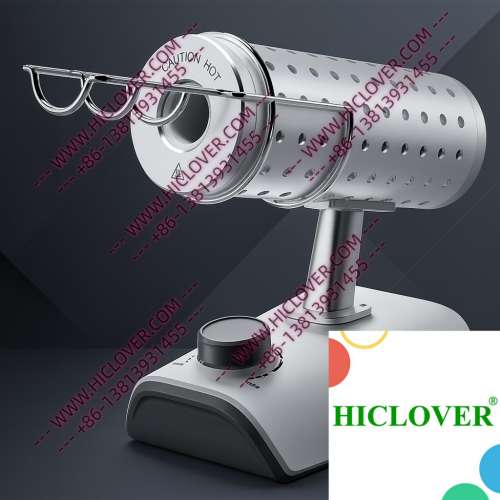
Micro Incinerators utilize advanced infrared heat technology to provide high-temperature disinfection. By employing an enclosed ceramic heating chamber, these devices generate temperatures exceeding 800°C, which ensures immediate sterilization of inoculating loops and similar instruments. Unlike traditional flame sterilisers, Micro Incinerators offer an aerosol-free environment, a critical factor in preventing contamination in sensitive laboratory settings.
Technical Advantages
- Rapid Sterilization: The infrared technology allows for quick heating and cooling cycles, reducing waiting time between uses.
- Compact Design: Micro Incinerators are designed for easy placement within tight laboratory spaces, making them ideal for biosafety cabinets.
- Safety Features: With no open flame, the risk of fire hazards is significantly minimized, enhancing overall lab safety.
Applications in Real Laboratories
Micro Incinerators are versatile and can be integrated into various lab settings. Here are two distinct application scenarios:
Biosafety Cabinets
In environments such as biosafety cabinets, where microbial research is conducted, maintaining an uncontaminated workspace is critical. The application of Micro Incinerators allows lab personnel to sterilize loops and tools quickly without compromising the sterile atmosphere of the cabinet. This is especially essential during the transfer of cultures and samples, where any contamination could lead to erroneous results.
Teaching Labs
Moreover, in university teaching laboratories, where students are learning microbiological techniques, Micro Incinerators offer a safe alternative to traditional burners. Students can practice sterilization methods without the risks associated with flames, thus enhancing their learning experience while adhering to laboratory safety protocols.
Compliance and Environmental Factors
When considering sterilization equipment, compliance with national and international safety standards is essential. The World Health Organization (WHO) advocates strict biosafety guidelines for laboratory operations, particularly in the handling and disposal of biological materials. Micro Incinerators adhere to these guidelines by providing a clean and safe method of sterilization that does not introduce flame hazards in clean-room environments.
For instance, in urban centers like New York City or San Francisco, stringent regulations exist surrounding laboratory sterilization to mitigate risks posed by potential contamination. These devices not only comply with biosafety standards but also promote eco-friendliness by reducing the need for chemical disinfectants commonly used with traditional sterilization methods.
Comparison of Micro Incinerators vs. Traditional Flame Sterilisers
| Feature | Micro Incinerator | Traditional Flame Steriliser |
|---|---|---|
| Safety | No open flame, reduced fire hazard | Open flame, risk of fire |
| Efficiency | Rapid heating and sterilization | Longer heating time |
| Environment | Aerosol-free, cleanroom compatible | Potential for aerosols and contamination |
| Flexibility | Compact design for versatile use | Bulkier, less versatile |
FAQs About Micro Incinerators
What materials can be sterilized using a Micro Incinerator?
Micro Incinerators are primarily used for sterilizing inoculating loops, needles, and other small laboratory instruments that can withstand high temperatures.
How does the infrared heating mechanism work?
The infrared heating mechanism penetrates the target surface, generating heat internally, which leads to rapid thermal sterilization without waiting for external heat transfer.
Are Micro Incinerators easier to use in field settings?
Yes, their compact size and lightweight design make them suitable for mobile labs or field testing scenarios where traditional flame sterilizers may be impractical.
What are the power requirements for a Micro Incinerator?
Most Micro Incinerators can operate on standard voltage and do not require specialized electrical connections, making them convenient for various laboratory setups.
Can Micro Incinerators be used in cleanrooms?
Absolutely! Their design is focus-tailored for cleanroom environments, eliminating the risks associated with using flammable materials and open flames.
Conclusion
The shift toward Micro Incinerators as a primary tool for laboratory sterilization represents a significant leap forward in maintaining safety, efficiency, and compliance. With their compact design and advanced sterilization capabilities, these devices are essential in modern laboratory workflows across various sectors, including clinical diagnostics and academic environments.
If you’re ready to enhance your laboratory’s sterilization processes with a Micro Incinerator, feel free to explore our range of products and get in touch for further information and purchases.
Categories:
Tags: