
In today’s rapidly evolving laboratory environments, ensuring biosafety through effective sterilization methods is paramount. Laboratories across the globe, particularly those handling microbial cultures and sensitive biological materials, face considerable challenges in achieving reliable sterilization. The demand for efficient and convenient solutions has led to innovations such as the Micro Incinerator, also known as the Infrared Inoculating Loop Sterilizer, which combines rapid thermal sterilization with user-friendly designs to enhance overall lab workflows.
Understanding Micro Incinerators
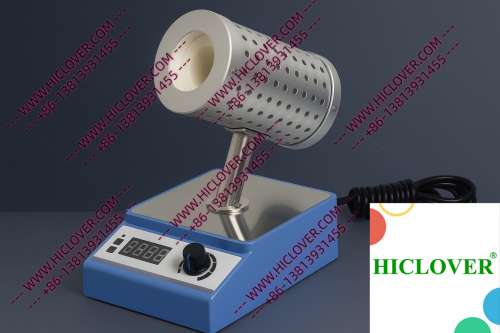
The Micro Incinerator operates on the principle of infrared heat, utilizing an enclosed ceramic tube designed to achieve high temperatures in a controlled manner. Unlike traditional flame sterilizers, such as alcohol lamps and Bunsen burners, this device offers an aerosol-free handling experience. The ceramic heating chamber ensures uniform heat distribution, allowing for quick and effective loop sterilization without the risk of open flames.
The device typically features a compact design, making it ideal for a range of laboratory settings. Its portability allows researchers to easily transport the unit between workstations, supporting efficient sterilization wherever needed. The absence of an open flame significantly minimizes contamination risks, making it a preferred solution in biosafety cabinets or teaching labs.
Applications in Modern Laboratories
The versatility of Micro Incinerators is evident in various practical applications:
- Biosafety Cabinets: In BSL-2 and BSL-3 microbiology labs, Micro Incinerators are indispensable. They provide a safe and effective method to sterilize inoculating loops within the sterile environment of a biosafety cabinet, reducing the risk of cross-contamination.
- Field Testing: For researchers conducting mobile or field tests, the compact design of the Micro Incinerator enables quick sterilization on-site. This is crucial in maintaining the integrity of samples collected in the field while ensuring compliance with scientific protocols.
- University Teaching Labs: In educational settings, instructors can efficiently teach safe sterile techniques without the hazards posed by traditional flame-based sterilizers, fostering an environment conducive to learning.
Compliance and Safety Standards
Adhering to established compliance and safety standards is vital for laboratories. The World Health Organization (WHO) has set forth biosafety guidelines that emphasize the importance of proper sterilization methods in preventing microbial cross-contamination. Furthermore, laboratory sterilization standards dictate that open flames should be avoided in clean rooms and high-sterilization environments to maintain air quality and safety. Using Micro Incinerators aligns with these regulations, ensuring that laboratories not only comply with safety standards but also enhance their operational workflow.
Micro Incinerators vs. Traditional Flame Sterilizers
When comparing Micro Incinerators to traditional flame sterilizers, the advantages become evident:
| Feature | Micro Incinerator | Flame Sterilizers |
|---|---|---|
| Heat Source | Infrared heating | Open flame |
| Aerosol Generation | No | Yes |
| Portability | Highly portable | Varies |
| Contamination Risk | Minimal | Higher |
| Ease of Use | Simple operation | Requires careful handling |
FAQs about Micro Incinerators
- What is the efficiency of a Micro Incinerator compared to traditional methods? The Micro Incinerator provides rapid thermal sterilization, achieving temperatures necessary to eliminate microbial contamination effectively.
- Can I use a Micro Incinerator in a biosafety cabinet? Yes, it is specifically designed for use in biosafety cabinets, minimizing contamination risks while maintaining safety protocols.
- What maintenance does a Micro Incinerator require? Regular cleaning of the ceramic heating chamber ensures optimal performance, along with occasional checks for any damage or wear.
- Is it suitable for fieldwork? Absolutely! Its portable nature makes it ideal for field laboratories and mobile testing environments.
- How does it align with WHO biosafety standards? The Micro Incinerator adheres to strict biosafety guidelines, particularly in terms of reducing aerosol risk and maintaining clean environments.
Conclusion
In conclusion, Micro Incinerators represent a significant advancement in laboratory sterilization technology. By merging efficiency and convenience, they address pressing biosafety challenges while complying with stringent standards. Laboratories that prioritize cleanliness, safety, and workflow efficiency will benefit from incorporating these portable sterilization solutions. For inquiries on procurement or to learn more about our Micro Incinerator products, please contact us today. Revolutionize your sterilization process and enhance your laboratory’s productivity with innovative solutions.
Categories:
Tags: