
In today’s laboratory environments, maintaining stringent biosafety standards is paramount. Each facility faces unique biosafety challenges, from sample contamination during microbial culture to ensuring sterile techniques in a busy lab setting. In response to these demands, laboratory sterilization equipment, particularly the Micro Incinerator / Infrared Inoculating Loop Sterilizer, offers innovative solutions to streamline sterilization workflows, enhancing both safety protocols and laboratory efficiency.
Understanding the Technical Principles of Micro Incinerators
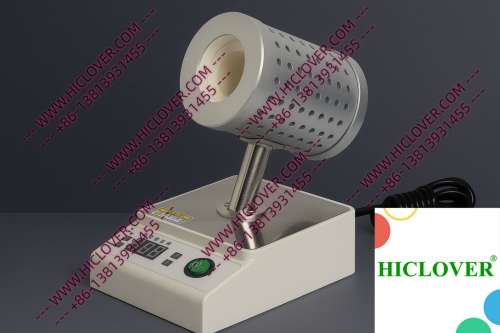
The Micro Incinerator utilizes cutting-edge technology relying on infrared heat. This device features an enclosed ceramic heating chamber that enables rapid thermal sterilization at high temperatures, typically ranging from 300°C to 900°C. The infrared heating mechanism ensures effective and uniform heat distribution, ensuring that inoculation loops and other tools are disinfected in seconds, thereby significantly reducing the risk of cross-contamination.
- Infrared Heating: Provides high-temperature disinfection without the need for flames.
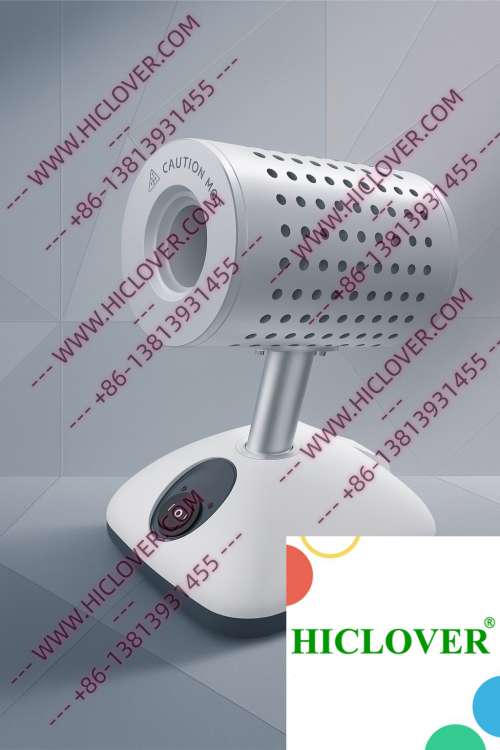
- Enclosed Ceramic Tube: Minimizes aerosol generation and protects the user from exposure.
- Compact Design: Ideal for bench-top use, enhancing workflow without occupying excess space.
Application Scenarios in Real Laboratories
Micro Incinerators find varied applications across laboratory environments, emphasizing their essential role in biosafety and contamination control.
1. Biosafety Cabinets
In BSL-2 and BSL-3 microbiology labs, Micro Incinerators are often positioned inside biosafety cabinets. These controlled environments reduce the risk of exposure to airborne pathogens while allowing researchers to quickly sterilize inoculation loops between cultures. The enclosed design of the Micro Incinerator further enhances safety by preventing the escape of harmful aerosols, ensuring a clean and safe manipulation of microbial samples.
2. Teaching Labs in Universities
In educational settings, the Micro Incinerator serves as an effective teaching tool for students learning sterilization techniques. Set up in university microbiology labs, the device allows students to comprehend the importance of maintaining sterile conditions when handling pathogenic organisms. The rapid sterilization capability teaches learners the principles of contamination control while allowing them to focus on their experimental work rather than time-consuming sterilization procedures.
Compliance with Biosafety Standards
Compliance with international biosafety standards is crucial for laboratory operations. The World Health Organization (WHO) has established guidelines that emphasize the importance of using safe sterilization methods to prevent infection transmission. Using flame-based sterilization methods, such as alcohol lamps or Bunsen burners, can produce aerosols and increase the risk of harmful exposures in cleanroom environments.
Micro Incinerators are compliant with various sterilization standards, providing a safe alternative in clean rooms where flames are prohibited. The use of infrared sterilizers aligns with safety protocols, thus supporting laboratories working toward the attainment of certifications such as ISO 15189 for medical laboratories.
| Feature | Micro Incinerator | Traditional Flame Burners |
|---|---|---|
| Heat Source | Infrared Heating | Open Flame |
| Contamination Control | Aerosol-free handling | High aerosol generation |
| Sterilization Time | Seconds | Varies (slower) |
| User Safety | Enclosed design | Risk of burns/exposure |
Advantages of Micro Incinerators Compared to Traditional Methods
The Micro Incinerator presents numerous advantages over traditional flame sterilization methods:
- Efficiency: Offers rapid thermal sterilization, cutting down on workflow delays.
- Safety: Reduces risks associated with open flames and minimizes aerosol risks.
- Cleanliness: An enclosed system avoids contamination from external sources.
- Cost-Effective: Lower fuel consumption compared to continuous flame burners.
FAQs: Addressing Common Queries about Micro Incinerators
1. Can the Micro Incinerator be used for other laboratory tools?
Yes, the Micro Incinerator can effectively sterilize various lab instruments such as scalpels, forceps, and glassware, making it versatile for different applications.
2. Is it safe to operate in a cleanroom environment?
Yes, the Micro Incinerator’s enclosed design and lack of open flames ensure safety and compliance with cleanroom regulations.
3. How long does it take to sterilize an inoculating loop?
The sterilization process typically takes only a few seconds, allowing for quick transitions between samples in your workflow.
4. What maintenance is required for the Micro Incinerator?
Regular cleaning of the ceramic tube and adherence to manufacturer guidelines ensure optimal performance and longevity.
5. Are there any training requirements for using the Micro Incinerator?
Users should undergo basic training on sterilization techniques and device operation to ensure safe and effective usage.
Conclusion: Elevate Your Laboratory Sterilization Practices
Incorporating a Micro Incinerator / Infrared Inoculating Loop Sterilizer into laboratory operations promises improved biosafety, workflow efficiency, and compliance with stringent sterilization standards. As laboratories continue to navigate the complexities of contamination control while meeting regulatory requirements, these advanced devices offer a reliable solution for both teaching and research environments.
Consider upgrading your laboratory’s sterilization capabilities today. For more information or to discuss purchasing options, please contact us to learn how the Micro Incinerator can enhance your laboratory practice!
Categories:
Tags: