
In today’s rapidly evolving laboratory environments, particularly in Bahrain, professionals face critical biosafety challenges in maintaining sterility and preventing contamination. Whether in clinical diagnostics, microbiological research, or teaching laboratories, the need for efficient and reliable sterilization equipment cannot be overstated. Among the various tools available, the Micro Incinerator or Infrared Inoculating Loop Sterilizer has emerged as a preferred choice, offering advanced solutions tailored to contemporary sterilization workflow demands.
The Technical Principles: Infrared Heat and Enclosed Ceramic Tubes
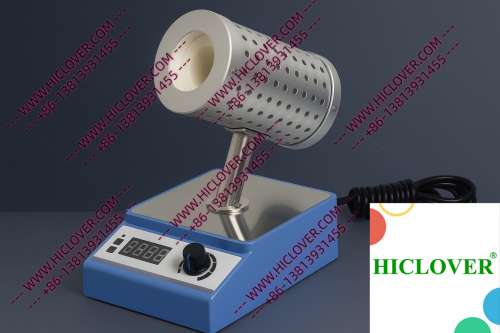
At the heart of the Micro Incinerator’s effectiveness lies its innovative use of infrared heating technology. Unlike traditional flame-based sterilizers, which rely on open flames from Bunsen burners or alcohol lamps, the infrared process allows for rapid thermal sterilization without the risk of airborne contaminants. The device utilizes a ceramic heating chamber capable of reaching high temperatures quickly, ensuring efficient disinfection of inoculating loops, needles, and other laboratory instruments.
The enclosed design eliminates the release of aerosols, making it ideal for cleanroom environments and BSL-2 or BSL-3 microbiology labs where contamination control is paramount. The infrared heat penetrates the surfaces of the tools, providing uniform heating and thorough sterilization in mere seconds.
Applications in Real Labs
The Micro Incinerator is versatile, finding application in various settings, each tailored to meet specific sterilization needs:
- Biosafety Cabinets: In research labs operating under BSL-2 or BSL-3 standards, the Micro Incinerator serves as an essential instrument within biosafety cabinets. Its clean-bench-safe operation ensures that sterilization occurs effectively without exposing sterile materials to airborne pathogens.
- Field Testing Labs: For mobile or field testing labs, such as those involved in environmental monitoring or outbreak response, the lightweight and portable nature of the Micro Incinerator allows for rapid on-site sterilization. This capability ensures that contamination control protocols are upheld even in non-traditional laboratory environments.
- Teaching Labs: University laboratories also benefit from integrating this technology in their curricula. The safety aspect of a no-flame sterilizer makes it suitable for teaching students about sterilization procedures without the hazards associated with open flames.
Compliance and Environmental Considerations
Meeting stringent regulatory standards is crucial for laboratories, especially those involved in clinical diagnostics and research. The Micro Incinerator complies with key biosafety guidelines set by the World Health Organization (WHO) and adheres to international lab sterilization standards. Its design inherently supports clean operations, eliminating the flammability risks associated with traditional alcohol lamps and Bunsen burners—critical for maintaining safety in clean rooms.
Moreover, the Micro Incinerator’s function minimizes smoke and odor emissions and reduces the carbon footprint associated with traditional flame sterilization methods. This aligns with sustainable laboratory practices and promotes a safer working environment for scientists and technicians.
Key Benefits Over Traditional Flame Sterilizers
| Feature | Micro Incinerator | Traditional Flame Sterilizers |
|---|---|---|
| Safety | No open flame, aerosol-free handling | Open flame, risk of burns and fire |
| Speed | Rapid thermal sterilization | Variable, generally slower |
| Contamination | Minimal risk of contamination | High risk from uncontained flame |
| Environmental Impact | Lower emissions | Higher emissions from combustion |
Frequently Asked Questions
- What is the primary advantage of using a Micro Incinerator over a Bunsen burner?
The Micro Incinerator provides a safer, flame-free sterilization option that eliminates the risk of burns and contamination. - How does the Micro Incinerator ensure compliance with WHO standards?
Its design and operational methodology meet international sterilization protocols, focusing on minimizing contamination risks. - Can the Micro Incinerator be used in field environments?
Yes, its lightweight and portable design make it suitable for field testing and mobile operations. - What materials can be effectively sterilized with this device?
Inoculating loops, needles, and other small laboratory instruments can be sterilized quickly and efficiently. - Is it suitable for teaching laboratories?
Absolutely! Its safe, flame-free operation enables educators to demonstrate sterilization techniques without significant hazards.
Conclusion
The Micro Incinerator or Infrared Inoculating Loop Sterilizer represents a significant advancement in laboratory sterilization technology, particularly in Bahrain’s dynamic research landscape. By adopting these innovative solutions, laboratories can enhance biosafety, streamline workflows, and ensure compliance with international standards. If you are ready to elevate your laboratory’s sterilization methods, considering the Micro Incinerator could be the imperative step forward. Reach out today to explore our range of high-quality sterilization equipment tailored to your needs.
Categories:
Tags: