
Microbiology labs are at the frontline of research and diagnostics in the fight against infectious diseases. However, the ongoing challenge of contamination control remains a critical aspect in ensuring accurate results and the safety of laboratory personnel. The incorporation of effective laboratory sterilization equipment has never been more vital to maintain a safe biosafety environment. One of the standout pieces of equipment for this purpose is the Micro Incinerator or Infrared Inoculating Loop Sterilizer.
Understanding the Micro Incinerator
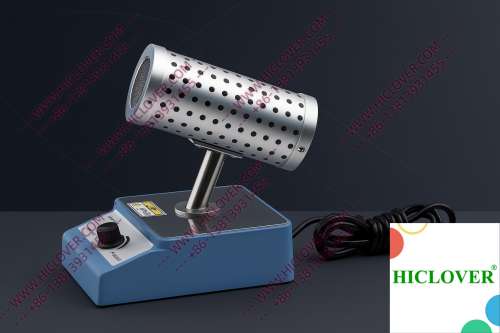
The Micro Incinerator utilizes a sophisticated design focusing on rapid thermal sterilization through an enclosed ceramic heating chamber. This advanced sterilization method harnesses the principle of infrared heat, which achieves high temperatures efficiently without the use of open flames. The enclosed tube design not only enhances safety by minimizing aerosol generation but also promotes sterilization effectiveness.
Why Choose a Micro Incinerator Over Traditional Flame Sterilizers?
Traditional flame sterilizers, such as alcohol lamps and Bunsen burners, have been staples in laboratories for ages. However, their drawbacks are notable, particularly in terms of safety and practicality:
- Contamination Risk: Open flames can lead to the inadvertent ignition of contaminants or biological material, posing a severe risk in cleanroom environments.
- Aerosol Generation: Flames can create aerosols during the sterilization process, which may compromise biosafety in laboratories, especially in BSL-2 and BSL-3 settings.
- Uneven Heating: Traditional methods can lead to uneven sterilization, risking the efficacy of the process.
- Eliminating the need for open flames, which are prohibited in cleanroom settings.
- Providing effective high-temperature disinfection while maintaining a sterile environment.
In contrast, the Micro Incinerator guarantees clean-bench-safe operation, an essential feature for modern microbiology labs dedicated to compliance with stringent biosafety standards.
Applications in Real Labs
1. Biosafety Cabinet Use
In many microbiology laboratories, particularly those focusing on clinical diagnostics, the Micro Incinerator is an integral part of the sterilization workflow used in biosafety cabinets. It offers a reliable means to rapidly sterilize inoculation loops and other small tools without leaving any residual flames or contaminants that could affect sterile environments.
2. Teaching Laboratories
University teaching labs often serve as training grounds for the next generation of scientists. The Micro Incinerator enables students to safely practice sterilization techniques and protocols while minimizing the risks associated with flame usage. The simplicity of its design fosters an effective learning environment by allowing students to focus on their technical skills rather than managing complex flame controls.
Compliance and Industry Standards
Ensuring compliance with safety standards is imperative in any microbiology lab. The World Health Organization (WHO) has established specific guidelines addressing biosafety practices, which are crucial in reducing the risk of biological contamination. The Micro Incinerator’s design aligns with these guidelines by:
Laboratories around the world are increasingly recognizing the necessity of adhering to sterilization standards set forth by organizations like OSHA and the CDC. The Micro Incinerator stands out as a compliant solution, particularly in research institutions located in metropolitan areas where stringent regulations are often enforced.
Comparative Overview: Micro Incinerator vs. Flame Burners
| Feature | Micro Incinerator | Traditional Flame Sterilizers |
|---|---|---|
| Heat Source | Infrared ceramic heating | Open flames |
| Aerosol Generation | No | Yes |
| Ease of Use | Simple on/off operation | Requires flame management |
| Environmental Safety | Clean-bench safe | Potential ignition risks |
Frequently Asked Questions
1. How does the Micro Incinerator comply with biosafety standards?
The Micro Incinerator complies by eliminating open flames and reducing aerosol generation, both of which align with recommendations from WHO and OSHA for laboratory safety.
2. Can the Micro Incinerator be used in field testing labs?
Yes, its portability and efficient operation make it an excellent choice for mobile or field testing labs requiring safe sterilization in various environments.
3. What maintenance is needed for the Micro Incinerator?
Regular cleaning of the ceramic tube and ensuring proper functionality of the heating element are recommended for consistent performance and longevity.
4. Is the Micro Incinerator suitable for BSL-3 laboratories?
Absolutely, the design and operational features of the Micro Incinerator make it suitable for use in BSL-3 laboratories, managing strict contamination control protocols.
5. How does the Micro Incinerator enhance safety in teaching labs?
It allows educators to demonstrate sterilization techniques without the risks associated with flame, promoting a safer and more effective learning experience for students.
Conclusion
With the rising demands for laboratory safety and compliance in the microbiological field, the Micro Incinerator emerges as a superior choice over traditional flame sterilizers. Its rapid thermal sterilization, clean-bench-safe design, and alignment with industry standards make it an essential tool for laboratories, universities, and field-testing environments alike. If you’re looking to elevate your sterilization process, contact us today for experts’ advice or to explore purchasing options.
Categories:
Tags: