
In today’s fast-paced laboratory environment, professionals face numerous biosafety challenges, especially in protocols related to sterilization workflows. Laboratories, whether they are part of a hospital, university, or a field research setting, must ensure that contamination control is paramount. This has led to a heightened demand for effective sterilization equipment that can perform reliably in diverse working conditions. Among the various options, portable loop sterilizers, particularly the Micro Incinerator / Infrared Inoculating Loop Sterilizer, stand out as vital tools for modern medical practices.
The Technical Principles Behind Infrared Loop Sterilizers
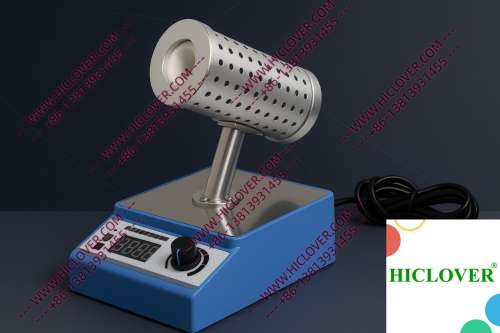
The Micro Incinerator employs a sophisticated method of rapid thermal sterilization using infrared heat. Unlike traditional flame sterilizers, such as alcohol lamps and Bunsen burners, this device utilizes an enclosed ceramic heating chamber to ensure efficient, clean, and controlled heating. The infrared technology allows for high-temperature disinfection without the risk of aerosol generation or flame exposure, making it a safe choice for various laboratory settings.
Applications in Real Labs
Portable loop sterilizers find their place in various laboratory environments, including:
- Biosafety Cabinets: The Micro Incinerator is often used in BSL-2 and BSL-3 microbiology labs where the risk of aerosol transmission of pathogens is high. Its design ensures sterilization while minimizing exposure to harmful biological agents.
- Field Testing: In mobile or field laboratories, having a compact and efficient sterilizer is crucial. Portable loop sterilizers allow researchers to conduct microbial analysis in remote areas without compromising safety and reliability.
- What are the key advantages of using a Micro Incinerator over traditional flame sterilizers?
The Micro Incinerator provides precise temperature control, eliminates aerosol risks, and features instantaneous heating capabilities, making it safer and more efficient. - Can the Micro Incinerator be used in outdoor field testing?
Yes, its portable design and battery operation allow effective sterilization in varying locations, including outdoor and mobile labs. - How does the sterilization process differ from traditional methods?
The Micro Incinerator utilizes infrared technology for quick sterilization, while flame sterilizers rely on combustion, which can introduce safety risks and longer setups.
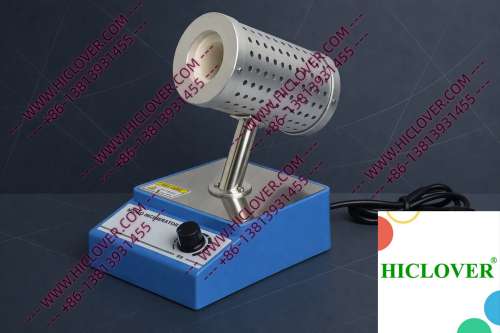
Additionally, these sterilizers are essential tools in university teaching labs, where they support educational endeavors by ensuring that students learn in a contamination-free environment. The ease of use and fast heating times assist in maintaining the workflow in these busy settings.
Compliance and Environmental Considerations
Regulatory awareness is critical in laboratory settings. The World Health Organization (WHO) emphasizes strict guidelines for biosafety, especially in the handling of potentially infectious materials. Utilizing a Micro Incinerator ensures compliance with various lab sterilization standards that require no open flames in clean rooms or controlled environments, thus reducing the risk of fire hazards.
Comparison of Micro Incinerators vs. Traditional Flame Sterilizers
| Feature | Micro Incinerator | Flame Sterilizers |
|---|---|---|
| Heat Source | Infrared Electric | Open Flame |
| Aerosol Risk | Aerosol-Free | Higher Risk |
| Temperature Control | Precise & Adjustable | Less Control |
| Setup Time | Instant Heat | Requires Ignition |
Frequently Asked Questions
Conclusion
Portable loop sterilizers like the Micro Incinerator represent a pivotal shift in how laboratories approach contamination control and sterilization workflows. Their advanced technology not only meets the rigorous standards set forth by organizations like WHO but also enables labs to adapt rapidly to various laboratory conditions. For laboratories seeking to enhance their operational efficiency, investing in high-quality sterilization equipment is imperative. To learn more about how our Micro Incinerators can benefit your laboratory needs, please contact us for more information or to place an order.
Categories:
Tags: