
In the world of laboratory biosafety, the demand for effective sterilization methods has never been more critical. Laboratories face substantial challenges in maintaining aseptic conditions, especially when high-precision experiments are concerned. Traditional flame sterilization methods, while widely used, present considerable risks of contamination, safety hazards, and inefficiency. Among various sterilization equipment, the Micro Incinerator, also known as the Infrared Inoculating Loop Sterilizer, stands out as a revolutionary advancement tailored to meet the diverse needs of both laboratory and clinical environments.
Understanding the Technology Behind Micro Incinerators
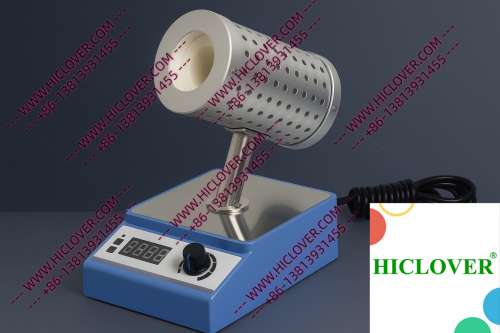
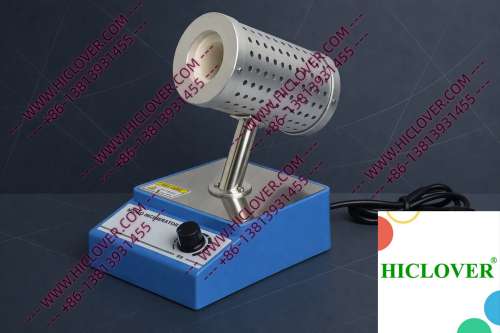
The Micro Incinerator operates on the principle of rapid thermal sterilization through infrared heat. Unlike traditional flame-based methods, which can produce unwanted aerosols and increase the risk of contamination, this sterilizer utilizes a closed ceramic heating chamber that focuses intense heat directly onto inoculating loops, needles, or other small tools.
- Enclosed Design: The enclosed ceramic tube minimizes exposure to the external environment.
- Infrared Heating: It quickly reaches sterilization temperatures without the need for an open flame.
- Aerosol-Free Operation: This feature is essential in BSL-2 and BSL-3 laboratories to prevent organism spread.
Applications in Different Laboratory Settings
The versatility of high-temperature loop sterilizers is evident in various laboratory settings, ranging from teaching labs to clinical diagnostics. Here are two prominent application scenarios:
1. University Teaching Laboratories
In a university microbiology lab, sterile techniques are vital for student-learning environments. Micro Incinerators provide an efficient, clean method for students to sterilize inoculating loops during culture experiments. By eliminating the risks associated with open flames, they allow students to focus on learning aseptic techniques without fear of injury or contamination.
2. Clinical Diagnostics in Hospitals
Clinical laboratories serve a foundational role in healthcare, where accuracy and reliability are paramount. In these settings, the Micro Incinerator is invaluable for sterilizing tools used to inoculate culture media, especially for sensitive tests such as blood cultures or microbial resistance. Its simple, effective operation significantly enhances workflow efficiency while assuring compliance with health safety regulations.
Compliance and Environmental Considerations
As laboratory practices evolve, adherence to biosafety and sterilization standards is critical. Organizations like the World Health Organization (WHO) have established guidelines to ensure safe laboratory practices. Importantly, high-temperature loop sterilizers like the Micro Incinerator comply with:
- WHO biosafety guidelines
- ISO standards for laboratory sterilization
- Cleanroom protocols prohibiting open flames
Using a loop sterilizer aligns perfectly with these regulations, offering a safe, effective alternative for labs that require strict adherence to hygiene and sterility without risking contamination or safety hazards associated with flame burners.
Comparison: Micro Incinerator vs. Traditional Flame Sterilizers
| Feature | Micro Incinerator | Flame Sterilizers |
|---|---|---|
| Safety | Low risk of burns and contamination | High risk of fire hazards and aerosols |
| Efficiency | Rapid heating and sterilization | Variable heating, slower sterilization |
| Calibration | Temperature-controlled | Flame-based; harder to gauge |
| Aerosol Production | None | Can produce aerosols during use |
Frequently Asked Questions (FAQs)
What is a Micro Incinerator used for?
A Micro Incinerator is primarily used for sterilizing inoculating loops and other small laboratory instruments through infrared heat, ensuring they are free from contaminants before use.
How does the Micro Incinerator compare with traditional flame sterilizers?
Unlike flame sterilizers, the Micro Incinerator offers enhanced safety, rapid thermal sterilization, and reduced risk of aerosol production, aligning better with modern laboratory protocols.
Are Micro Incinerators suitable for BSL-2 and BSL-3 laboratories?
Yes, the Micro Incinerator’s aerosol-free and high-temperature sterilization features make it ideal for use in BSL-2 and BSL-3 laboratories where biosafety is paramount.
Can the Micro Incinerator be used in field testing labs?
Absolutely! Its portability and efficiency make it an excellent choice for field testing, ensuring safe sterilization even in remote locations.
Are Micro Incinerators easy to operate for beginners?
Yes, Micro Incinerators are designed for user-friendly operation, making them suitable for laboratories where students or new staff may be handling sterilization practices.
Conclusion
The transition from open flame sterilization to high-temperature loop sterilizers like the Micro Incinerator reflects the ongoing advancements in laboratory safety and efficiency. This versatile equipment not only streamlines the sterilization workflow but also significantly enhances compliance with stringent biosafety standards. For laboratories looking to elevate their sterilization practices and ensure uncompromised biosafety, investing in a Micro Incinerator is a forward-thinking decision.
If you are interested in learning more about how a Micro Incinerator can benefit your laboratory or health facility, don’t hesitate to contact us for more information or to make a purchase.
Categories:
Tags: