
In the contemporary laboratory setting, the challenge of contamination control is critical. With increasing demands for biosafety and sterilization workflows, researchers and lab technicians face pressure to adopt efficient and reliable sterilization methods. Traditional methods, such as alcohol lamps and Bunsen burners, often emit harmful fumes and pose safety risks, highlighting the necessity for innovation. A promising solution is the Micro Incinerator, specifically the Infrared Inoculating Loop Sterilizer, which embodies advanced technology to streamline sterilization while safeguarding the environment.
Technical Principles of the Micro Incinerator
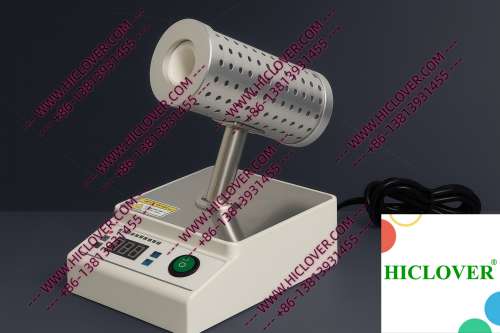
The Micro Incinerator utilizes infrared heat to achieve rapid thermal sterilization. Unlike conventional flame-based systems that can create an intense atmosphere filled with soot and ignition risks, the Micro Incinerator embraces a clean and efficient design. It features an enclosed ceramic heating chamber that generates high temperatures quickly. This modality not only aids in preventing contamination but also significantly reduces the release of aerosols, making it suitable for clean environments such as BSL-2 and BSL-3 microbiology labs.
Laboratory Applications
The applicability of Micro Incinerators extends across various laboratory environments. Here are two prominent scenarios:
- Biosafety Cabinets: In BSL-2 and BSL-3 laboratories, where sterility is paramount, the use of Micro Incinerators ensures that inoculating loops and other implements are sterilized efficiently without the risk of flames disrupting the sterile environment. Technicians can safely handle biological samples, knowing their instruments are free from contamination.
- Field Testing Labs: Mobile laboratories conducting field tests, particularly in remote locations in Algeria, benefit greatly from the portability and efficiency of Micro Incinerators. The compact design allows for sterilization on-site, reducing the need to return to central labs and minimizing the risk of sample degradation.
- What is the sterilization time for the Micro Incinerator? Rapid thermal sterilization typically takes less than 20 seconds, making it highly efficient.
- Can the Micro Incinerator be used in clean rooms? Yes, its no-flame design is suitable for clean environments, reducing contamination risks.
- How can this technology benefit field testing labs? Its portable design allows for immediate sterilization on-site, minimizing sample degradation and workflow delays.
- Is Micro Incinerator compliant with WHO guidelines? Yes, it meets stringent sterilization standards and supports biosafety compliance protocols.
- What materials can be sterilized? The Micro Incinerator is suitable for metal and glass instruments, such as inoculating loops and pipette tips.
Compliance and Environmental Impact
Standards set forth by the World Health Organization (WHO) emphasize the importance of sterilization standards in laboratory practices. Compliance with these guidelines is essential, especially in the production of medical and diagnostic tools. Micro Incinerators, with their no-flame design, align with clean-room protocols, which dictate that open flames should be avoided to prevent any contamination. They exhibit a minimal environmental footprint: same-day sterilization reduces waste generation significantly compared to traditional incineration practices.
Comparative Analysis: Micro Incinerator vs. Traditional Flame Burners
| Feature | Micro Incinerator | Flame Burners |
|---|---|---|
| Heat Source | Infrared | Open Flame |
| Handling Safety | Aerosol-free | Flame risks |
| Environmental Impact | Low emissions | High emissions |
| Sterilization Speed | Rapid (< 20s) | Variable |
| Usability in Clean Rooms | Yes | No |
FAQs About Micro Incinerators
Here are some frequently asked questions regarding the use of Micro Incinerators in laboratory settings:
Conclusion: Transitioning toward Sustainable Lab Practices
The introduction of Micro Incinerators into laboratory settings marks a significant evolution in sterilization practices. Adopting this technology not only restores efficiency and ensures compliance with biosafety laws but also contributes to environmental sustainability by minimizing waste and emissions associated with traditional sterilization methods. For laboratories in Algeria and beyond, investing in Micro Incinerators such as the Infrared Inoculating Loop Sterilizer represents a bold step towards modernizing workflow management and safeguarding health. To boost your laboratory’s capabilities, consider exploring our range of Micro Incinerators today.
Categories:
Tags: