
In the rapidly evolving landscape of laboratory work, biosafety is of paramount importance. Laboratories today face a pressing challenge: how to maintain rigorous sterilization protocols while optimizing workflow efficiency. Enter the Micro Incinerator, a revolutionary piece of laboratory sterilization equipment that transforms waste into ash through rapid thermal sterilization. This article delves into the science behind Micro Incinerators, specifically the Infrared Inoculating Loop Sterilizer, which has become an essential tool in various laboratory settings, including BSL-2 and BSL-3 microbiology labs.
The Science Behind Micro Incinerators
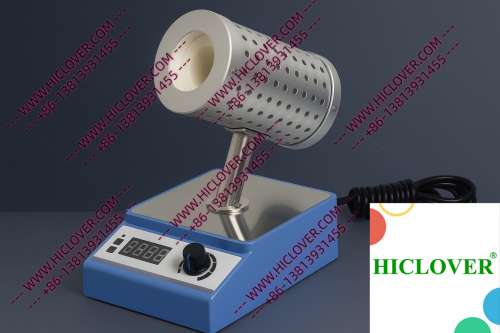
At the core of the Micro Incinerator’s functionality lies advanced infrared heating technology. This device operates through an enclosed ceramic tube that generates high temperatures rapidly and efficiently. Unlike traditional flame-based systems, which rely on combustion, the infrared technology provides enhanced thermal control and dramatically reduces the risk of open flames.
The Micro Incinerator facilitates contamination control by enabling rapid sterilization of inoculating loops, needles, and other small laboratory instruments. The system conducts high-temperature disinfection without producing aerosols, ensuring a clean and safe working environment, particularly in clean-bench-safe areas. Furthermore, its compact design makes it easily portable for use in mobile or field testing laboratories.
Applications of Micro Incinerators
Biosafety Cabinet Operations
Micro Incinerators have proven indispensable in laboratory biosafety cabinets, where maintaining sterility is crucial. In a BSL-2 lab, for instance, researchers utilize these devices to sterilize inoculating loops between culture transfers, reducing the risk of contamination and cross-specimen interference. The quick heating times of infrared technology allow for immediate re-use of tools without the need for lengthy cool-down periods.
Teaching Laboratories
In educational settings, such as university teaching labs, Micro Incinerators serve as vital teaching aids for students learning the principles of microbiology and sterility. Faculty often demonstrate the efficient sterilization process before conducting experiments, emphasizing the vitality of contamination control. By incorporating these devices, students gain hands-on experience while adhering to safety protocols.
Compliance and Environmental Considerations
Compliance with global biosafety standards is critical for laboratory operations. The World Health Organization (WHO) emphasizes rigorous sterilization processes to prevent laboratory-acquired infections. The Micro Incinerator not only meets but exceeds these standards, providing a safer alternative to flame sterilizers, which can be problematic in cleanrooms where flammable reagents might be present.
Moreover, the absence of a flame means that Micro Incinerators pose a reduced risk of introducing contaminants and particulates into the air, which aligns with both laboratory best practices and environmental safety requirements. The shift from traditional alcohol lamps or Bunsen burners to Micro Incinerators reflects a growing commitment to sustainability and safety in laboratory environments across cities like New York, Boston, and Los Angeles.
Advantages of Micro Incinerators Over Traditional Flame Sterilizers
| Feature | Micro Incinerator | Flame Burners |
|---|---|---|
| Heating Method | Infrared, rapid thermal sterilization | Open flame |
| Aerosol Production | Aerosol-free | Produces aerosols |
| Safety | Clean-bench-safe, minimizes contamination | Higher risk of ignition |
| Heating Time | Quick, on/off operation | Slower, requires cool-down periods |
| Portability | Compact and easy to transport | Require more setup space |
FAQs about Micro Incinerators
- What is a Micro Incinerator? A device used for rapid thermal sterilization of laboratory tools and instruments, utilizing infrared technology.
- How does it differ from traditional flame sterilizers? Micro Incinerators use infrared heat to sterilize without producing aerosols, enhancing safety and efficiency.
- What applications are Micro Incinerators suitable for? Ideal for use in biosafety cabinets, teaching labs, and mobile field testing environments.
- What are the compliance standards associated with Micro Incinerators? They comply with WHO biosafety regulations and enhance workplace safety in line with laboratory standards.
- Are Micro Incinerators easy to transport? Yes, their compact design allows for easy portability in various laboratory settings.
Conclusion
In an era where laboratory safety and compliance are paramount, the Micro Incinerator emerges as a vital tool for effective sterilization protocols. Its rapid thermal sterilization capabilities, coupled with infrared technology, make it an indispensable asset for laboratories across the United States—from bustling university teaching labs to high-security BSL-3 environments. To enhance your laboratory’s sterilization efficiency and compliance, consider integrating a Micro Incinerator into your workflow. Don’t hesitate to reach out for further information or to make a purchase; our team is ready to assist you in enhancing your laboratory capabilities.
Categories:
Tags: