
In recent years, laboratory biosafety challenges have surged, driven by the escalating demands for effective sterilization and contamination control. As global concern over waste management intensifies, the Micro Incinerator and its variations, such as the Infrared Inoculating Loop Sterilizer, offer an innovative solution to mitigate the environmental impact of laboratory waste. These advanced sterilization tools cater to rigorous workflows across various lab settings, supporting Canada’s commitment to reducing landfill overload.
The Technical Principle Behind Micro Incinerators
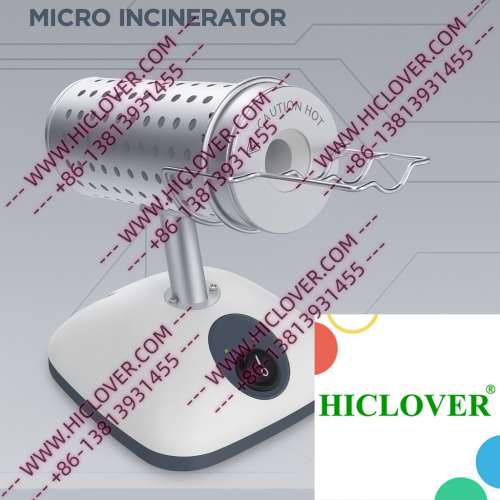
Micro Incinerators utilize advanced infrared technology to achieve rapid thermal sterilization. Unlike traditional flame-based sterilizers, which rely on open flames and can pose significant safety risks, micro incinerators employ a sealed ceramic heating chamber that provides efficient heating for sterilizing inoculating loops, forceps, and other small lab instruments.
- Infrared Heating: This technology generates concentrated high temperatures rapidly, ensuring effective sterilization without the risk of gas emissions or flammable materials.
- Enclosed Ceramic Tube: The design minimizes bio-aerosols, making it safe for operation within biosafety cabinets.
- Clean-Bench-Safe: By eliminating the open flame, micro incinerators create a safer workspace in clean room environments, essential for microbiological and clinical diagnostics.
Application Scenarios in Real Labs
Micro Incinerators are versatile tools with wide applicability in both academic and industrial laboratories. Here are two specific scenarios demonstrating their use:
1. University Teaching Labs
In educational settings, proper sterilization techniques are crucial for microbiology students learning about aseptic processes. Micro Incinerators provide a rapid and safe method for students to sterilize tools before use. Their simple operation and immediate results mean students can focus on learning without worrying about the hazards associated with flame sterilizers. Additionally, the compact design fits easily within a biosafety cabinet, ensuring a safe and controlled teaching environment.
2. Mobile Field Testing Labs
In the realm of environmental microbiology, mobile field testing labs play a critical role in pathogen detection and analysis. Micro Incinerators offer field researchers a portable, reliable solution for sterilizing samples in remote locations. Their lightweight construction and small footprint make them ideal for transport, while the enclosed heating mechanism prevents contamination during sterilization processes. This efficiency is vital for researchers collecting and analyzing samples on-site, particularly in vulnerable ecosystems.
Compliance and Environmental Concerns
Ensuring adherence to established biosafety standards is paramount for any laboratory. Micro Incinerators align with guidelines set forth by the World Health Organization (WHO) and other leading bodies, which emphasize the need for effective sterilization methods that prevent contamination and microbial spread. Unlike traditional flame sterilizers, which may produce aerosols or particles that compromise clean room integrity, micro incinerators generate no open flames, making them compliant with stringent regulations.
Utilizing such equipment not only elevates laboratory compliance but contributes to broader environmental goals by significantly reducing waste generation. Considering the growing pressure on health facilities and research institutions in Canada to adopt sustainable practices, micro incinerators represent a necessary advancement in responsible waste management.
Advantages Over Traditional Flame Sterilizers
Micro Incinerators provide several key advantages over conventional sterilization methods like alcohol lamps and Bunsen burners:
- Safety: Eliminates the risk of burns and fire hazards due to enclosed heating elements.
- Speed: Achieves rapid thermal sterilization, reducing workflow bottlenecks.
- Efficiency: Consistent and reliable sterilization without the need for refueling or frequent maintenance.
- Cleanliness: Ensures a cleaner work environment by minimizing aerosol production.
Frequently Asked Questions
1. How does a Micro Incinerator work?
Micro Incinerators utilize infrared heating technology to rapidly sterilize tools by heating them in an enclosed ceramic chamber, effectively eliminating pathogens without open flames.
2. Are Micro Incinerators suitable for BSL-3 laboratories?
Yes, Micro Incinerators are ideal for BSL-3 settings due to their safety features and compliance with strict biosafety protocols.
3. What types of lab tools can be sterilized using an Infrared Inoculating Loop Sterilizer?
Common items include inoculating loops, agar spreaders, forceps, and any small lab equipment that requires sterilization before use.
4. Can these devices be used in outdoor settings?
Absolutely! Their portability makes them perfect for outdoor research, field testing, and environmental sampling.
5. Are Micro Incinerators environmentally friendly?
Yes, they help reduce waste by effectively sterilizing equipment, thus decreasing the need for disposable tools and minimizing landfill contributions.
Conclusion
Micro Incinerators represent a crucial advancement in laboratory sterilization efforts, aligning with the evolving needs of modern labs and echoing Canada’s pressing commitment to reducing landfill overload. By adopting these innovative devices, laboratories not only enhance operational safety and efficiency but also contribute positively to the environment. If you’re interested in exploring micro incinerators for your laboratory needs, please feel free to reach out for more information or to arrange a purchase. Together, we can foster a cleaner, safer future for laboratory practices in Canada and beyond.
Categories:
Tags: