
In the context of advancing biosafety protocols, Cambodian laboratories are facing significant challenges in microbial safety and contamination control. With the rise of healthcare concerns and the urgency to mitigate infectious diseases, effective laboratory sterilization has become paramount. Enter the Micro Incinerator, or Infrared Inoculating Loop Sterilizer, a revolutionary piece of equipment that’s transforming sterilization practices within laboratories across Cambodia.
Addressing Practical Laboratory Biosafety Challenges
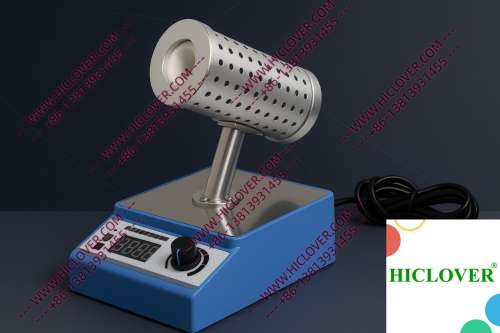
Laboratories often deal with high-stakes environments where microbial contamination must be unequivocally controlled. Traditional methods, such as alcohol lamps and Bunsen burners, pose risks including inconsistent sterilization, exposure to open flames, and the potential release of harmful aerosols. These challenges underline the need for innovative solutions that meet modern biosafety requirements in settings ranging from BSL-2 to BSL-3 microbiology labs.
The Technical Edge of Infrared Loop Sterilizers
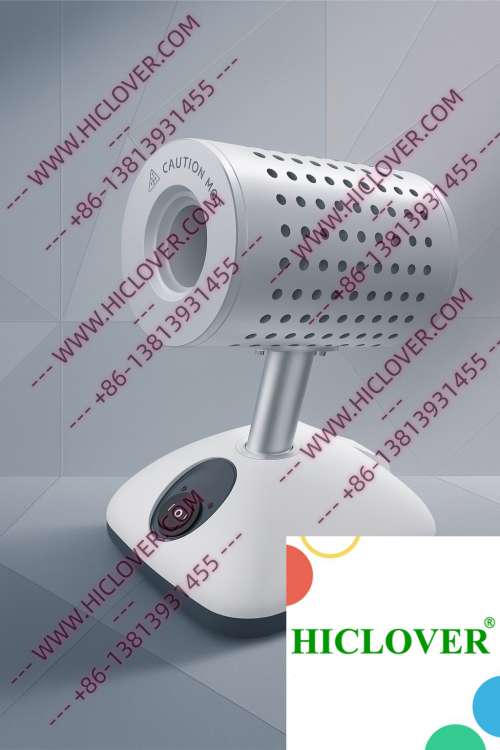
The Micro Incinerator operates on the principle of rapid thermal sterilization using infrared heat. This technology features an enclosed ceramic tube that generates high temperatures, effectively sterilizing inoculating loops within seconds. The infrared heating mechanism ensures uniform temperature distribution, thus maximizing disinfection while minimizing energy consumption.
More than just a sterilizer, the infrared design also significantly reduces the risks associated with traditional flame-based systems. The enclosed design mitigates the potential for exposure to flames and aerosols, creating a safer environment for laboratory personnel.
Application Scenarios in Real Labs
1. Biosafety Cabinet Integration: In Cambodian hospitals, the incorporation of Micro Incinerators within biosafety cabinets proves essential. While handling pathogens, microbiologists can swiftly sterilize loops without leaving the confined space of the cabinet, protecting both their own safety and the integrity of the samples.
2. Teaching Laboratories: Universities in Phnom Penh are increasingly adopting this technology in teaching labs. The ease of use and rapid sterilization capabilities allow students to focus on learning microbiological techniques without the added stress of managing an open flame, thus enhancing educational outcomes.
Compliance with Biosafety Standards
Complying with WHO biosafety standards and laboratory sterilization requirements is crucial in maintaining a safe lab environment. Traditional flame sterilizers often contradict compliance measures within clean rooms or high-containment areas where open flames are prohibited. In contrast, the Micro Incinerator’s safe design aligns with strict sterilization standards while promoting aerosol-free handling.
Regulatory bodies advocate for the adoption of technologies that minimize contamination risks, making the Micro Incinerator a prime candidate for modern laboratory upgrades. Its rapid and effective microbial inactivation mechanisms have garnered positive reviews from laboratories aiming to enhance their operational standards.
Comparison: Micro Incinerator vs. Traditional Flame Sterilizers
| Feature | Micro Incinerator | Traditional Flame Sterilizers (Bunsen Burners) |
|---|---|---|
| Heat Source | Infrared | Open Flame |
| Safety | Reduced Risk of Burn | High Risk of Fire/Hazard |
| Contamination Control | Aerosol-free Handling | Potential Aerosol Generation |
| Speed of Use | Instant Heat | Dependent on Flame Stability |
Frequently Asked Questions
- What is the primary advantage of using a Micro Incinerator over a Bunsen burner?
In addition to improved safety and reduced risk of contamination, Micro Incinerators provide instant heating and are more efficient in sterilization processes. - Can the Micro Incinerator be integrated into existing lab setups?
Yes, its compact design allows it to be easily installed in various laboratory environments, including biosafety cabinets and teaching labs. - How does infrared sterilization work?
This process uses focused infrared heat to sterilize instruments quickly, ensuring consistent high-temperature disinfection without the risks associated with open flames. - Is the Micro Incinerator suitable for field testing?
Absolutely, its portable design makes it ideal for field testing, allowing for safe and efficient sterilization even outside of traditional laboratory settings. - What compliance standards does the device meet?
The Micro Incinerator adheres to WHO biosafety standards and regulations for laboratory sterilization equipment, ensuring it meets safety and efficacy criteria.
Conclusion
With the increasing demands on laboratory biosafety in Cambodia, the Micro Incinerator stands out as a critical advancement in microbial safety practices. By investing in this cutting-edge sterilization equipment, laboratories can significantly enhance their infection control measures while ensuring compliance with international safety standards. For inquiries or to learn more about our Micro Incinerator products, feel free to contact us today!
Categories:
Tags: