
In the rapidly evolving landscape of laboratory biosafety, managing sterilization workflows remains a pressing challenge for laboratory professionals. As laboratories strive to uphold stringent safety standards while maximizing operational efficiency, the advent of innovative technologies such as the Micro Incinerator, or Infrared Inoculating Loop Sterilizer, is revolutionizing traditional sterilization methods.
Technical Principles of Micro Incinerators
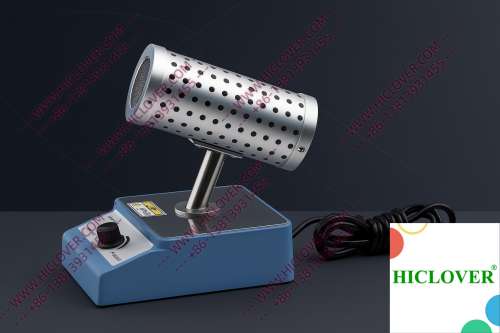
Micro Incinerators operate on the principle of rapid thermal sterilization through infrared high-temperature disinfection. Central to their design is an enclosed ceramic heating chamber that ensures that the heating element is shielded, reducing risks associated with open flames. Unlike traditional alcohol lamps and Bunsen burners, which can produce hazardous aerosols and contribute to contamination, micro incinerators offer a clean-bench-safe solution.
This innovation maintains consistent heat distribution, allowing for effective sterilization of inoculating loops and other laboratory implements in mere seconds, ensuring optimal performance even in BSL-2 and BSL-3 microbiology labs.
Application Scenarios in Real Labs
1. Teaching Laboratories
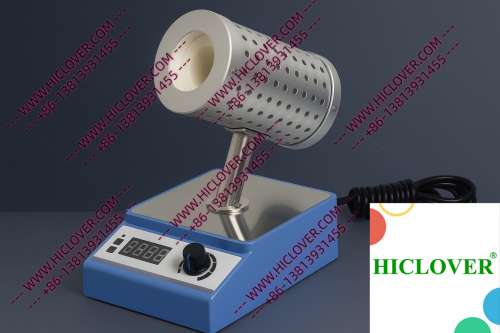
In university teaching labs, the integration of Micro Incinerators provides a safer environment for students learning microbiological techniques. With the elimination of open flames, instructors can focus on practical skill development without the distractions or risks associated with traditional burners. This not only enhances learning outcomes but also reinforces safe practices before students transition into professional environments.
2. Field Testing Labs
Field testing laboratories require portable, reliable sterilization methods. Micro Incinerators are especially beneficial here due to their lightweight and compact design. Field technicians can operate them with minimal power consumption, ensuring that the instruments remain safe and sterilized during on-site testing. This capability is crucial when dealing with infectious agents where contamination control is paramount.
Compliance and Environment Standards
Adhering to compliance standards set by the World Health Organization (WHO) and various laboratory sterilization regulations is crucial for maintaining lab integrity. Micro Incinerators align seamlessly with these requirements due to their commitment to safety and efficacy. Unlike flame-based sterilizers, which can be problematic in clean rooms and positive pressure environments, micro incinerators provide a flame-free operation, mitigating fire hazards while ensuring compliance with lab sterilization standards.
Advantages of Micro Incinerators over Traditional Flame Sterilizers
- Safety: Elimination of open flames reduces the risk of fire hazards.
- Efficiency: Rapid thermal sterilization ensures faster cycle times, enhancing lab productivity.
- Contamination Control: Aerosol-free operation limits the potential for cross-contamination.
- Easier Maintenance: The enclosed design leads to lower cleaning and maintenance requirements.
- Adaptability: Suitable for varied applications, including BSL-2 and BSL-3 labs, as well as field conditions.
Micro Incinerator vs. Flame Burners: A Comparison Table
| Feature | Micro Incinerator | Flame Burner |
|---|---|---|
| Heat Source | Infrared | Open Flame |
| Fume Reduction | Minimal | High |
| Operational Safety | High | Moderate |
| Speed of Sterilization | Seconds | Variable |
| Compliance | YES | NO |
Frequently Asked Questions (FAQs)
What is a Micro Incinerator?
A Micro Incinerator is a sterilization device that uses infrared heat to eliminate pathogens from inoculating loops and other lab tools quickly and safely.
How does a Micro Incinerator work?
The device generates high-temperature heat through a ceramic heating element in a closed design, providing rapid sterilization without flames.
Where can Micro Incinerators be used?
They are suitable for various settings, including laboratory biosafety cabinets, field testing locations, and university teaching labs.
Are Micro Incinerators environmentally friendly?
Yes, they support compliance with strict laboratory sterilization standards and reduce the environmental impact associated with traditional flame sterilizers.
What safety features do Micro Incinerators have?
Micro Incinerators feature enclosed heating elements to prevent exposure to flames, reducing the risk of fire hazards in laboratory settings.
Conclusion
The integration of Micro Incinerators into laboratory operations marks a significant advancement in sterilization technology. These innovative devices not only enhance biosafety practices but also streamline the sterilization workflow in teaching, clinical, and field-testing environments. If you’re looking to upgrade your lab’s sterilization capabilities and enhance operational safety, consider investing in a Micro Incinerator today to ensure compliance and improve efficiency. For more information or to request a product demonstration, contact us!
Categories:
Tags: