
In today’s biomedical landscape, effective sterilization protocols are more crucial than ever. Laboratories worldwide, from high-containment BSL-2 and BSL-3 microbiology labs to teaching institutions, face significant challenges in maintaining sterile environments while maximizing workflow efficiency. One of the most pressing needs is the rapid handling of biohazardous materials without compromising safety or lab integrity. Enter Israel’s groundbreaking Micro Incinerator initiative, designed to meet these demands through innovative technology.
Understanding the Micro Incinerator Technology
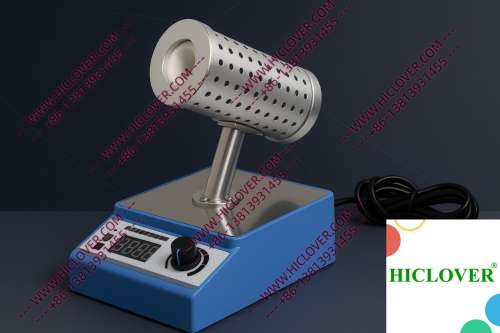
The Micro Incinerator, specifically the Infrared Inoculating Loop Sterilizer, utilizes advanced infrared heat technology to deliver rapid thermal sterilization. Unlike traditional flame-based sterilizers like alcohol lamps or Bunsen burners, the Micro Incinerator offers a clean and controlled method to achieve high-temperature disinfection. This innovation features an enclosed ceramic heating chamber that produces a consistent temperature range, effectively eliminating microbial contaminants with precision.
Key Features of the Micro Incinerator
- Accurate Temperature Control: Provides pinpoint accuracy to reach sterilization temperatures quickly.
- Safety First: Completely eliminates flames and aerosols, ensuring clean-bench-safe operation.
- Reduced Contamination Risks: Achieves contamination control effectively, ideal for clinical diagnostics and research applications.
- Versatile Applications: Suitable for a range of laboratory environments, including BSL-2 and BSL-3 labs.
- What is the primary purpose of a Micro Incinerator?
The Micro Incinerator is designed for rapid sterilization of laboratory tools and instruments, ensuring a contamination-free environment. - How does the Micro Incinerator enhance laboratory safety?
By eliminating open flames and aerosols, Micro Incinerators reduce the risk of accidents and improve overall lab safety. - Can the Micro Incinerator be used in field testing?
Yes, its portable design makes it ideal for fieldwork, providing on-the-spot sterilization of equipment. - How does it compare to traditional sterilization methods?
The Micro Incinerator offers superior temperature control, safety, and compliance with biosafety standards compared to traditional flame sterilizers. - What are the implications for BSL-2 or BSL-3 labs?
These labs benefit from the Micro Incinerator’s ability to safely sterilize instruments while maintaining strict contamination control protocols.
Use Cases in Laboratory Settings
Micro Incinerators are not just theoretical innovations; they have practical applications in various laboratory settings. Consider two primary scenarios:
1. Biosafety Cabinet Applications
In a controlled biosafety cabinet, the Micro Incinerator can facilitate rapid sterilization of inoculating loops and other implements without introducing any flame or aerosols into the sterile workspace. This feature is crucial for working with pathogenic microorganisms, ensuring a contamination-free environment. The ability to maintain sterility helps researchers focus on their experiments without the worry of cross-contamination.
2. Field Testing in Remote Areas
For field testing where mobile or portable solutions are paramount, Micro Incinerators provide an efficient means of waste disposal and instrument sterilization on-site. In regions with limited access to lab facilities, these devices can offer quick sterilization for researchers conducting clinical diagnostics or environmental testing, ensuring that samples collected and processed in the field remain uncontaminated.
Compliance and Environmental Standards
The pressure for laboratories to uphold strict biosafety and sterilization standards is immense. According to the World Health Organization (WHO) guidelines, laboratories handling infectious agents need to comply with rigorous sterilization protocols to ensure safety for both personnel and the environment. The Micro Incinerator meets these standards, adhering to both local regulations and international guidelines for lab sterilization.
Moreover, traditional flame sterilizers pose additional hazards in clean rooms where the presence of open flames is strictly prohibited. The Micro Incinerator’s flame-free operation not only adheres to these regulations but does so without compromising on sterilization efficacy.
Advantages Over Traditional Flame Sterilizers
| Feature | Micro Incinerator | Flame Burners |
|---|---|---|
| Temperature Control | Accurate and adjustable | Less precise and unstable |
| Safety | Flame-free, aerosol-free | Open flame, risk of aerosol |
| Environment | Meets clean room standards | Not suitable for clean environments |
| Ease of Use | Simple, no setup required | Requires fuel and maintenance |
FAQs About Micro Incinerators
Conclusion
As laboratories worldwide strive for higher biosafety standards, the Micro Incinerator initiative provides an innovative solution to sterilization challenges. This advanced technology not only enhances safety and efficiency in sterile environments but also addresses compliance with international standards. By adopting the Micro Incinerator, laboratories can significantly improve their workflow without risking contamination.
If you’re interested in upgrading your laboratory sterilization equipment to incorporate the Micro Incinerator, we invite you to get in touch for more information on purchasing options.
Categories:
Tags: