
In the complex landscape of laboratory biosafety, particularly in Mozambique, medical facilities encounter numerous challenges in achieving effective sterilization. Contamination control is paramount in varied settings, from clinical diagnostics to teaching labs. The demand for reliable sterilization solutions has never been more pressing, especially with the increased need to maintain sterile environments free from pathogens. One innovative solution that is gaining momentum is the Micro Incinerator / Infrared Inoculating Loop Sterilizer—an essential piece of laboratory sterilization equipment.
The Technical Edge of Infrared Loop Sterilizers
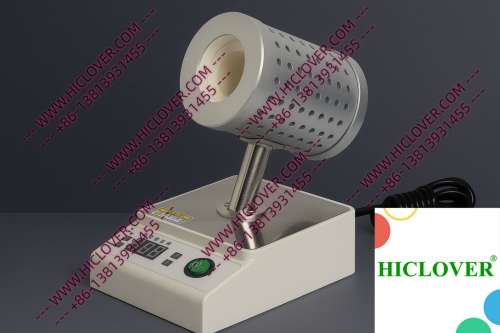
The Micro Incinerator utilizes the principle of infrared heat, harnessing a clean and efficient method of achieving high-temperature disinfection without the risks associated with traditional flame sterilizers. Inside its enclosed ceramic heating chamber, the inoculating loops, needles, or other instruments are exposed to focused infrared radiation, reaching temperatures that rapidly sterilize the equipment in seconds. This method is remarkably effective, eliminating unwanted microbial contamination while significantly reducing the risk of aerosol generation.
Advantages Over Traditional Flame Sterilizers
When comparing the Micro Incinerator to traditional options such as alcohol lamps or Bunsen burners, the benefits are clear:
- Safety: No open flames significantly reduce fire hazards, especially in environments like clean rooms and biosafety cabinets.
- Efficiency: Rapid thermal sterilization allows labs to maintain workflow with minimal downtime.
- Cleanliness: With no flame, there’s a markedly lower risk of producing smoke or aerosols, essential for BSL-2 and BSL-3 labs.
- Durability: The ceramic components can withstand high temperatures and prevent wear and tear over time.
- Portability: Compact design allows the device to be used in field testing labs and training scenarios.
Application Scenarios in Real Labs
1. University Teaching Labs: In higher education institutions across Mozambique, microbiology students rely on the Micro Incinerator to ensure their practices adhere to biosafety regulations. The high-temperature sterilization allows students to focus on their experiments, confident that any tools they use are free from contamination. The control of aerosol emissions in these academic settings is crucial for both environmental and health safety.
2. Biosafety Cabinets in Clinical Diagnostics: In laboratories specializing in clinical diagnostics, the Micro Incinerator serves as an essential component in maintaining sterile work environments. When working with cultures or samples that could harbor pathogenic organisms, rapid thermal sterilization of inoculating loops is critical. Its placement in a biosafety cabinet ensures that the integrity of the sterile environment is maintained without introducing the risk associated with traditional flame sources.
Compliance with International Standards
Compliance with global biosafety standards, such as those set by the World Health Organization (WHO), is an essential aspect of laboratory operations. The Micro Incinerator not only meets but often exceeds the stringent requirements for laboratory sterilization. The absence of open flames makes it ideally suited for clean rooms, minimizing the risk of fire hazards and ensuring a safer operational environment.
Additionally, the ability to effectively sterilize instruments at the point of use within BSL-2 and BSL-3 laboratories adheres to best laboratory practices, aligned with ISO and ASTM standards. The need for compliant sterilization methods is intensified in regions like Mozambique, where public health demands are continuously evolving.
Regional Relevance
In Mozambique, where healthcare infrastructure may be challenged, adopting modern sterilization practices is crucial. The integration of advanced equipment like the Micro Incinerator into both established laboratories and emerging facilities can significantly improve public health outcomes. By investing in these technologies, healthcare providers not only enhance biosafety but also contribute to the establishment of reliable diagnostic capabilities across the region.
Frequently Asked Questions
1. What is a Micro Incinerator, and how does it work?
The Micro Incinerator is a sterilization device that uses infrared heat within a ceramic heating chamber to achieve high-temperature sterilization of inoculating loops and other laboratory tools in mere seconds.
2. How does infrared sterilization compare to traditional methods?
Infrared sterilization provides several advantages over traditional methods, including enhanced safety (no flames), reduced contamination risk, and efficient, rapid sterilization.
3. Is the Micro Incinerator suitable for field testing labs?
Yes, the compact and portable design of the Micro Incinerator makes it ideal for use in field testing laboratories, ensuring effective sterilization in various settings.
4. Can the Micro Incinerator be used in BSL-3 laboratories?
Absolutely! The Micro Incinerator is designed to meet the safety and sterilization standards required for use in BSL-3 laboratories, ensuring contamination control.
5. What are the maintenance requirements for a Micro Incinerator?
Routine cleaning and occasional inspection of the ceramic heating components are recommended to maintain optimal performance. However, its durable design minimizes the frequency of maintenance needed.
Conclusion
The Micro Incinerator / Infrared Inoculating Loop Sterilizer stands as a vital innovation in the pursuit of laboratory biosafety and efficient sterilization practices in Mozambique. Offering unparalleled safety, compliance, and performance, this device is essential for laboratories seeking to enhance their operations. As healthcare facilities progressively adapt to modern challenges, the Micro Incinerator will undoubtedly play a crucial role in ensuring safe and effective laboratory environments. For laboratories interested in streamlined workflows and enhanced sterilization processes, contact us today to learn more about procurement options!
Categories:
Tags: