
Laboratory professionals face a myriad of biosafety challenges daily, especially in environments where contamination control is paramount. Whether in a microbiology lab handling pathogenic cultures or a clinical diagnostics facility conducting precision tests, the necessity for effective sterilization workflows cannot be overstated. One innovation that stands at the forefront of this challenge is the Micro Incinerator or Infrared Inoculating Loop Sterilizer, a device designed to streamline sterilization processes while ensuring maximum safety and compliance.
Understanding the Technical Principles of Infrared Sterilizers
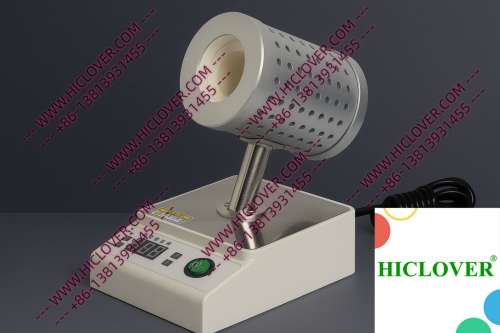
The Micro Incinerator operates on a principle distinct from traditional flame sterilizers. Utilizing infrared heat within an enclosed ceramic tube, this sterilizer achieves rapid thermal sterilization without the risks associated with open flames. The enclosed design minimizes the danger of aerosol generation, which is crucial when working within a biosafety cabinet or maintaining sterile conditions. The ceramic heating chamber reaches high temperatures efficiently, delivering powerful disinfection in mere seconds, making it ideal for a variety of laboratory settings.
Applications of Micro Incinerators in Real-World Labs
Micro Incinerators are versatile tools utilized across various laboratory environments. Below are two specific scenarios highlighting their practical applications:
Biosafety Cabinets
In BSL-2 and BSL-3 microbiology labs, where sterile techniques are paramount, Micro Incinerators serve as ideal sterilization solutions. They allow researchers to safely inoculate culture media while ensuring that all used loops and needles are instantly sterilized between uses. The aerosol-free operation promotes a contamination-free environment, allowing scientists to work with sensitive samples without risk.
Teaching Laboratories
In university teaching labs, instructors rely on Micro Incinerators for educational purposes. Students can learn about microbial culture techniques in a safe environment, with rapid thermal sterilization enabling multiple hands-on activities within a single lab session. The absence of an open flame not only enhances safety but also simplifies compliance with utility space and ventilation standards.
Compliance with Biosafety Standards
When selecting sterilization equipment, it’s crucial to align with global biosafety guidelines and local regulations. According to the World Health Organization (WHO), laboratory practices must ensure the highest levels of contamination control and personnel safety. The Micro Incinerator aligns perfectly with these guidelines, particularly within cleanrooms where flame usage is prohibited due to fire hazards.
To illustrate the compliance advantage of Micro Incinerators, here’s a comparison of sterilization devices based on key biosafety standards:
| Feature | Micro Incinerator | Traditional Flame Sterilizer |
|---|---|---|
| USA FDA Compliance | Meets rigorous safety standards | Risk of non-compliance |
| Aerosol-Free Operation | Sure | No |
| Heat Distribution | Uniform, rapid heating | Uneven heating is common |
| Safety | No open flame; safe for clean bench use | Open flame; potential fire hazard |
Enhancing Laboratory Safety and Efficiency
Switching to Micro Incinerators not only complies with safety regulations but also enhances workflow efficiency. The rapid sterilization time minimizes downtime and enables laboratories to maintain continuous productivity. The compact design allows for easy integration into any workspace, providing a clean and professional appearance that aligns with modern lab standards.
FAQs About Micro Incinerators
- What is the average sterilization time for a Micro Incinerator?
Typically, it takes only a few seconds for the device to sterilize inoculating loops. - Can the Micro Incinerator be used in field testing scenarios?
Absolutely! Its portability makes it ideal for use in mobile laboratory settings or field testing environments. - How does a Micro Incinerator compare to traditional flame sterilizers in terms of contamination control?
The Micro Incinerator significantly reduces the risk of contamination due to its closed design and aerosol-free operation. - Is the device compliant with international laboratory safety standards?
Yes, it meets both WHO guidelines and local regulatory requirements. - What type of maintenance does the Micro Incinerator require?
Minimal maintenance is needed; periodic cleaning of the ceramic chamber ensures optimal performance.
Conclusion: Elevate Your Laboratory Practices
In the evolving landscape of laboratory settings, Micro Incinerators have emerged as essential tools for safe and efficient sterilization. Their compliance with biosafety standards, coupled with their operational advantages over traditional flame sterilizers, is undeniable. If your laboratory seeks to optimize workflow while prioritizing safety, consider incorporating the Micro Incinerator or Infrared Inoculating Loop Sterilizer into your sterilization protocol. For more information on product availability and specifications, feel free to reach out—the future of laboratory sterilization awaits.
Categories:
Tags: