
Modern laboratories face a multitude of biosafety challenges, particularly when it comes to effective sterilization of inoculating loops and other small laboratory instruments. Traditional flame sterilizers, such as alcohol lamps and Bunsen burners, pose risks of open flames in cleanroom environments, leading to potential contamination and hazards. The introduction of Micro Incinerators, especially Infrared Inoculating Loop Sterilizers, has provided the laboratory community with a safer, more efficient, and precise approach to waste management and sterilization needs.
Understanding the Technical Principles of Micro Incinerators
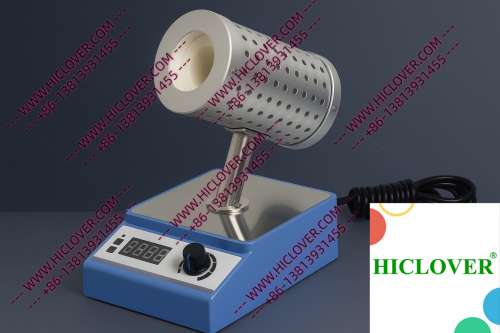
Micro Incinerators operate on a fundamentally different principle compared to flame-based sterilizers. Utilizing rapidly generated infrared heat, these devices heat an enclosed ceramic tube to high temperatures, typically above 800°C (1472°F). The enclosed chamber is designed to achieve thermal disinfection rapidly while minimizing the risk of aerosol generation. This is particularly important in sensitive laboratory environments where contamination control is paramount.
The ceramic heating chamber allows for even distribution of heat, providing consistent sterilization results. As a result, the Micro Incinerator significantly reduces the time needed for sterilization while offering superior safety features. Moreover, an intelligent design minimizes the risks associated with flames or volatile substances typically used in traditional methods.
Applications of Micro Incinerators in Diverse Laboratory Settings
Micro Incinerators find utility in various laboratory environments, each with unique needs. Below are two compelling application scenarios:
Biosafety Cabinet Operations
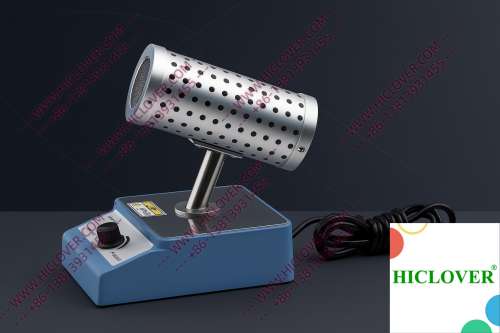
In BSL-2 and BSL-3 microbiology labs, maintaining a contaminant-free workspace is vital. Micro Incinerators can be strategically placed within biosafety cabinets, allowing sterile inoculating loops to be rapidly heated without exposing the surrounding environment to flames or harmful fumes. This use of infrared sterilization not only enhances safety but also streamlines workflow by providing immediate sterilization, thus reducing waiting times and maintaining continuous operations.
Field Testing and Mobile Laboratories
In mobile laboratory settings or field testing scenarios, traditional flame sterilization methods may be impractical due to the need for portable fuel sources and safety concerns related to open flames. Micro Incinerators are compact and lightweight, offering ease of transport without compromising on sterilization efficacy. They enable researchers conducting on-site analyses to achieve reliable disinfection of instruments quickly, thus contributing to swift decision-making in critical testing environments.
Compliance and Environmental Considerations
Adhering to global biosafety standards is crucial for laboratories, especially those that work with pathogenic microorganisms. The World Health Organization (WHO) has established guidelines that emphasize the importance of proper sterilization practices in maintaining laboratory safety. Micro Incinerators meet these biosafety compliance mandates by eliminating the risks associated with flames in procedures involving clean rooms or sensitive setups.
Moreover, as laboratories continue to focus on sustainability, integrating Micro Incinerators into sterilization workflows contributes to cleaner laboratory environments. By reducing the reliance on alcohol and other volatile substances, these devices promote a safer, more environmentally conscious laboratory culture. Additionally, the reduced generation of aerosols during the sterilization process is aligned with modern laboratory protocols for contamination control.
Advantages of Micro Incinerators over Traditional Flame Sterilizers
Laboratories considering the transition from traditional flame sterilizers like alcohol lamps and Bunsen burners often ask about the specific advantages of investing in Micro Incinerators. Below are notable differences:
- Enhanced Safety: No open flames reduce the risk of uncontrolled fires.
- Contamination Control: Less aerosol generation mitigates the risk of cross-contamination.
- Rapid Sterilization: Infrared technology achieves higher temperatures quickly, leading to immediate use of sterilized tools.
- Green Chemistry: Minimizes the use of chemical gases and flammable materials in the lab environment.
- Space Efficiency: Compact and portable, suitable for various laboratory designs and layouts.
Comparison Table
| Feature | Micro Incinerator | Traditional Flame Sterilizer |
|---|---|---|
| Safety | No open flame, lower risk | Open flame, higher risk |
| Speed of Sterilization | Immediate heating | Delayed, waiting for flame to heat |
| Environment | Aerosol-free | Aerosol generation |
| Portability | Compact and lightweight | Bulkier, requires fuel |
Frequently Asked Questions (FAQs)
- What types of laboratories can benefit from Micro Incinerators?
Micro Incinerators are ideal for microbiology labs, clinical diagnostics, university teaching labs, and even mobile field testing labs.
- How does a Micro Incinerator ensure safety in sterilization?
By utilizing infrared heating rather than open flames, the risk of accidents and contamination is significantly reduced.
- Can Micro Incinerators operate in cleanroom environments?
Yes, they are specifically designed for use in cleanrooms, eliminating flame hazards.
- Are Micro Incinerators compliant with global biosafety standards?
Yes, they meet WHO biosafety guidelines and other relevant sterilization standards.
- What tools can be sterilized using Micro Incinerators?
They are suitable for sterilizing inoculating loops, needles, and other small laboratory implements.
Conclusion
As laboratory environments continue to evolve with greater emphasis on biosafety and environmental responsibility, Micro Incinerators, particularly Infrared Inoculating Loop Sterilizers, stand out as an exceptional choice for modern sterilization needs. By adopting this innovative sterilization technology, laboratories can enhance safety, improve workflow efficiency, and adhere to stringent global regulations.
If your laboratory is ready to upgrade its sterilization workflow, contact us today to learn more about our available Micro Incinerator options. Embrace the future of lab sterilization!
Categories:
Tags: