
In the bustling world of laboratory research and clinical diagnostics, safeguarding against contamination is paramount. As Australia grapples with a growing waste crisis, the demand for effective and sustainable laboratory sterilization equipment has surged. One innovative solution to this challenge is the Micro Incinerator, an infrared inoculating loop sterilizer that not only meets rigorous sterilization standards but also aligns with environmental compliance. In this article, we delve into the operational advantages, applications, and regulatory frameworks surrounding this advanced sterilization technology.
Addressing Biosafety Challenges in Laboratories
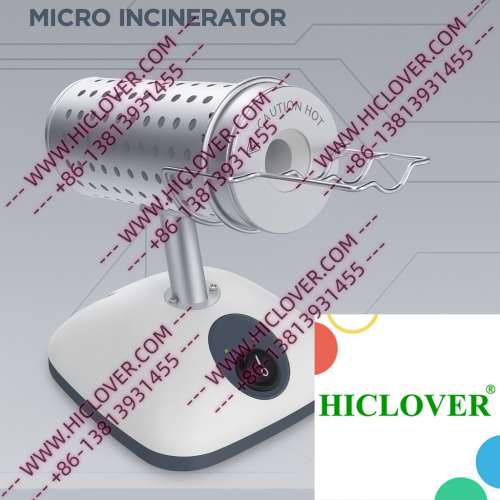
Laboratories, especially those operating under BSL-2 or BSL-3 conditions, face numerous biosafety challenges. The risk of contamination can multiply under pressure, especially during processes that involve handling pathogens or sensitive samples. Traditional sterilization methods such as alcohol lamps or Bunsen burners pose not only safety risks through open flames but also contribute to aerosol generation, increasing the potential for airborne contamination. In contrast, the Micro Incinerator employs infrared technology to provide rapid thermal sterilization without any open flame, significantly mitigating these risks.
Technical Principles of the Micro Incinerator
The Micro Incinerator utilizes a ceramic heating chamber that achieves high temperatures through an infrared heating element. When sterilizing inoculating loops or other lab tools, the enclosed ceramic tube heats rapidly to a temperature sufficient to eliminate microbes and ensure complete sterilization. This technology offers a clean-bench-safe environment, making it an ideal choice for tidy laboratory workflows. The infrared sterilization process not only accelerates the heating time but also improves energy efficiency, setting it apart from traditional flame sterilizers.
Applications of Micro Incinerators in Laboratory Settings
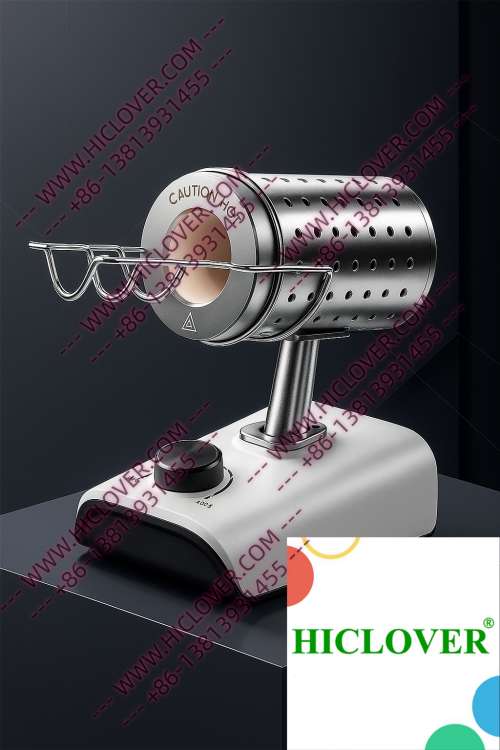
Micro Incinerators find versatile applications across various laboratory environments:
- Biosafety Cabinets: In these controlled environments, where maintaining sterile conditions is crucial, the Micro Incinerator can be seamlessly integrated, ensuring aerosol-free handling and rapid sterilization of tools.
- Field Testing Laboratories: In mobile setups, having portable sterilization equipment that is efficient and safe is vital. The Micro Incinerator is lightweight and compact, suitable for use in outdoor or temporary laboratory settings.
- University Teaching Labs: Educators can demonstrate laboratory techniques while guaranteeing safety protocols. New students can benefit from efficient sterilization methods without the hazards associated with flames.
Compliance and Environmental Considerations
The use of Micro Incinerators aligns with global biosafety practices and standards. Compliance with WHO biosafety regulations is critical in laboratory settings to ensure safety and health for personnel and the public. The absence of open flames in clean rooms not only enhances safety but is also essential for operations involving CO₂ incubators and anaerobic chambers, where even a minor disturbance can affect sample integrity.
Micro Incinerators contribute to sustainable waste management by significantly reducing the environmental impact associated with traditional lab waste. With their ability to sterilize without producing harmful emissions, they present a greener alternative to methods that can lead to hazardous waste generation.
Comparison: Micro Incinerator vs. Flame Sterilizers
| Feature | Micro Incinerator | Flame Sterilizers |
|---|---|---|
| Safety | Low risk of fire, no flames | Open flames pose hazards |
| Speed | Rapid heating and sterilization | Longer heating times |
| Energy Efficiency | High efficiency with infrared | Less efficient, higher energy use |
| Aerosol Generation | None | Inherent risk of aerosols |
| Compliance | Meets WHO and lab standards | May not meet all standards |
Frequently Asked Questions about Micro Incinerators
1. What makes Micro Incinerators safer than traditional flame sterilizers?
Micro Incinerators operate without open flames, minimizing fire hazards and reducing the chance of contamination from aerosol generation.
2. Can a Micro Incinerator be used in field testing labs?
Yes, its portable design makes it ideal for mobile labs, allowing for efficient sterilization wherever necessary.
3. How do Micro Incinerators contribute to environmental sustainability?
By providing an efficient sterilization method that reduces hazardous waste and emissions, Micro Incinerators support eco-friendly laboratory practices.
4. Are Micro Incinerators compliant with international biosafety standards?
Yes, they meet the regulatory requirements set by WHO and other biosafety organizations, ensuring safe laboratory operations.
5. What types of materials can be sterilized using a Micro Incinerator?
Micro Incinerators are effective for sterilizing inoculating loops, small instruments, and other heat-resistant laboratory equipment.
Conclusion: Transform Your Laboratory Sterilization Process Today
As Australia’s waste crisis mounts, investing in sustainable solutions like Micro Incinerators is more vital than ever. These advanced sterilizing tools offer unmatched safety and efficiency, addressing the pressing need for contamination control in laboratories. With their compliance with biosafety regulations and environmental considerations, Micro Incinerators stand out among sterilization equipment options.
If you’re looking to enhance your laboratory’s sterilization workflow and contribute to a greener future, consider adding a Micro Incinerator to your equipment lineup. Contact us today to learn more about how you can revolutionize your sterilization practices.
Categories:
Tags: