
In modern laboratories, particularly in Qatar, the challenge of ensuring biosafety while maintaining efficient sterilization workflows is paramount. Lab professionals often contend with the dual pressures of achieving rapid thermal sterilization to prevent contamination and adhering to environmental and safety standards. These conditions highlight the need for advanced sterilization equipment, especially the Micro Incinerator and Infrared Inoculating Loop Sterilizer, which facilitates these objectives while supporting sustainable practices.
The Technical Principles Behind Micro Incinerators
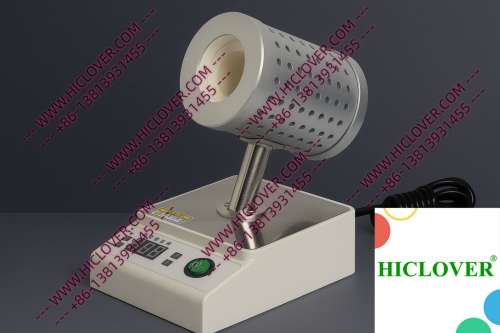
Micro Incinerators utilize a combination of infrared heat and a specialized enclosed ceramic tube to ensure effective sterilization. By generating high-temperature disinfection without flames, these devices provide a clean-bench-safe environment for sterilizing inoculating loops and other lab tools.
The ceramic heating chamber rapidly reaches temperatures that can incinerate organic materials, providing a more efficient alternative to traditional flame-based sterilizers like alcohol lamps and Bunsen burners. As the sterilization process occurs, the chamber retains heat longer, ensuring that tools are adequately processed while minimizing the risk of aerosol formation—a significant safety concern in biosafety level (BSL) laboratories.
Applications of Micro Incinerators in Real Laboratories
Application Scenario 1: University Teaching Labs
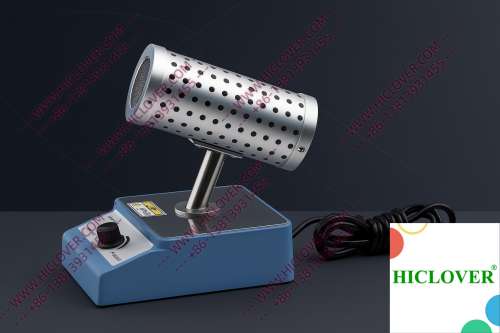
In university teaching labs throughout Qatar, the Micro Incinerator is revolutionizing how students engage in microbiological practices. Students working with microbial cultures require rapid and efficient sterilization of tools to ensure contamination-free results. The compact design of the Micro Incinerator allows for easy placement within biosafety cabinets, enabling clean and safe handling of inoculating loops and petri dishes. This equipment empowers students to learn proper sterilization techniques while fostering an environment of safety and responsibility.
Application Scenario 2: Mobile Field Testing Labs
Field testing labs used for environmental assessments or clinical diagnostics in remote locations can greatly benefit from the Micro Incinerator’s efficacy. The portability of these incinerators supports rapid sterilization in situations where access to traditional sterilization methods might be limited. With no need for flames, these units minimize risks associated with combustion, making them a safe choice for use in varied environments. Field technicians can efficiently decontaminate equipment in real-time, ensuring the integrity of their samples and results.
Compliance and Environmental Responsibility
As laboratories in Qatar strive for compliance with local and international biosafety regulations, the need for environmentally responsible practices becomes essential. The World Health Organization (WHO) sets high standards for laboratory safety, focusing on effective sterilization methods that mitigate risk. The Micro Incinerator aligns with these standards by eliminating the use of flames, a critical consideration in clean rooms and other sensitive environments.
- Meets WHO biosafety guidelines
- Adheres to cleanroom sterilization protocols
- Reduces environmental impact through eco-friendly sterilization
By choosing Micro Incinerators, laboratories not only maintain regulatory compliance but also enhance their commitment to environmental responsibility and safety—paving the way for a more sustainable future.
Advantages Over Traditional Flame Sterilizers
| Feature | Micro Incinerator | Flame Burners |
|---|---|---|
| Type of Heat | Infrared | Flame |
| Safety | No open flame, reducing fire hazards | Risk of burns and fire hazards |
| Contamination Control | Aerosol-free handling | Potential for aerosol generation |
| Efficiency | Rapid thermal sterilization | Longer warm-up and cool-down time |
In a comparative analysis, it is evident that Micro Incinerators not only promote efficient sterilization but also support enhanced safety and environmental compliance, which is vital for laboratories in Qatar and beyond.
FAQs about Micro Incinerators
1. What makes Micro Incinerators safer than traditional flame sterilizers?
Micro Incinerators utilize infrared technology, eliminating open flames and reducing risks associated with combustion, thus fostering a safer working environment.
2. Can Micro Incinerators be used in cleanrooms?
Yes, Micro Incinerators effectively meet cleanroom protocols, allowing for sterile operations without creating aerosols, making them compliant with biosafety standards.
3. How quickly can a Micro Incinerator achieve sterilization?
Micro Incinerators generate high temperatures rapidly, ensuring effective sterilization in a matter of seconds, significantly reducing downtime in laboratory settings.
4. What are the costs associated with using a Micro Incinerator compared to traditional methods?
While the initial investment might be higher than traditional flame sterilizers, the long-term cost savings in safety, efficiency, and compliance far outweigh the initial expense.
5. Are Micro Incinerators environmentally friendly?
Yes, Micro Incinerators contribute to lower environmental impact by eliminating flames and reducing hazardous waste generated through traditional sterilization methods.
Conclusion: Elevate Your Lab’s Sterilization Process
Investing in Micro Incinerator technology not only supports compliance with stringent biosafety standards but also enhances laboratory efficiency and environmental stewardship. By choosing the Micro Incinerator or Infrared Inoculating Loop Sterilizer, laboratories in Qatar can ensure effective sterilization while prioritizing safety and sustainability. For inquiries or to explore purchasing options, we invite you to contact us today to discover how Micro Incinerators can elevate your laboratory’s sterilization processes.
Categories:
Tags: