
In the fast-paced world of veterinary microbiology, the need for effective laboratory biosafety is paramount. As contamination control becomes increasingly critical, laboratories are continuously on the lookout for solutions that streamline sterilization workflows while ensuring the highest levels of safety. One such solution is the Micro Incinerator or Infrared Inoculating Loop Sterilizer, a revolutionary device designed to enhance effective sterilization, particularly in environments sensitive to contamination.
Overcoming Laboratory Biosafety Challenges
Many laboratories are challenged by the presence of hazardous pathogens, especially in BSL-2 and BSL-3 settings. Common practices such as using alcohol lamps or Bunsen burners pose significant risks, primarily due to open flames and the potential for aerosol generation. In fast-paced testing environments — such as those found in mobile or field testing labs — the challenges associated with traditional sterilization methods become even more pronounced, leading to contamination risks not only for samples but also for lab personnel.
Understanding the Technical Principles of Infrared Heating
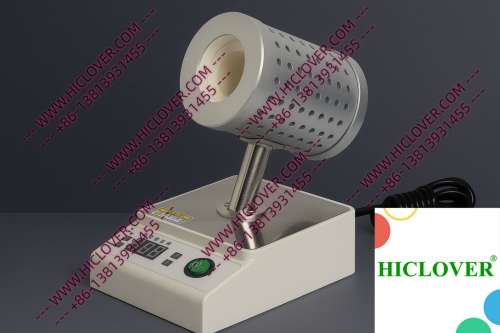
The Micro Incinerator employs a unique infrared heat mechanism, utilizing an enclosed ceramic tube to provide rapid thermal sterilization. This system generates high temperatures that ensure effective disinfection of inoculating loops and other small instruments without the open flames associated with traditional methods. The enclosed design also minimizes risks associated with aerosols, making it a clean-bench-safe option for microbiology labs, including clinical diagnostics and university teaching labs.
Key Features of the Micro Incinerator
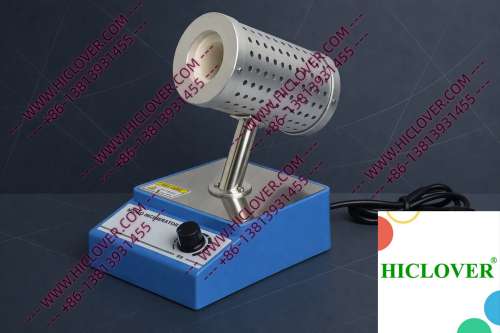
- Rapid Thermal Sterilization: Achieves sterilization in seconds, drastically reducing downtime.
- Contamination Control: The infrared heating method eliminates flame exposure and minimizes aerosol risk.
- Compact Design: Fits conveniently in biosafety cabinets, enhancing operational efficiency.
- Energy Efficiency: Consumes lower energy levels compared to traditional flame devices.
- Ease of Use: Simple operation allows for quick adoption by all personnel.
Application Scenarios in Real Labs
1. Biosafety Cabinets
In a biosafety cabinet, utilizing a Micro Incinerator allows technicians to sterilize inoculating loops without introducing any flame hazards. This becomes particularly essential in labs handling pathogenic microorganisms, where maintaining an sterile environment is non-negotiable. The infrared sterilizer supports seamless integration into existing sterilization workflows, ensuring compliance with safety protocols.
2. Field Testing Labs
In field testing scenarios, where rapid response is critical, the Micro Incinerator stands out. Its portability allows for immediate sterilization of tools in challenging conditions. For instance, veterinary technicians conducting tests in rural settings can rely on this device, preventing contamination during sample collection and preserving the integrity of their findings.
Compliance and Safety Standards
Compliance with international and local biosafety standards is essential for laboratories, particularly those operating under the World Health Organization’s (WHO) guidelines. The use of sterilization equipment, such as the Micro Incinerator, aligns with stringent lab sterilization standards that require the elimination of flame in cleanrooms. These devices are designed to fulfill necessary compliance regulations, maintaining the highest levels of sterilization efficacy while protecting laboratory personnel.
Advantages of the Micro Incinerator vs. Traditional Flame Sterilizers
| Feature | Micro Incinerator | Flame Burners |
|---|---|---|
| Sterilization Time | Seconds | Minutes |
| Safety | Closed system, no open flame | Open flame, fire hazard |
| Energy Consumption | Low | Higher |
| Aerosol Generation | None | Possible |
| Portability | High | Medium |
Frequently Asked Questions
What is a Micro Incinerator used for?
A Micro Incinerator is used primarily for rapid thermal sterilization of inoculating loops and small laboratory instruments, especially in microbiology labs.
How does the infrared inoculating loop sterilizer work?
This sterilizer uses infrared heat generated within an enclosed ceramic tube to achieve rapid sterilization, minimizing contamination risks.
Why should laboratories avoid flame-based sterilization?
Flame-based methods pose fire hazards and risk contamination through aerosol generation, making them less suitable for sensitive environments.
Which labs can benefit from using a Micro Incinerator?
BSL-2 and BSL-3 labs, teaching laboratories, and field testing labs can all significantly benefit from using a Micro Incinerator for sterilization needs.
Are there specific compliance standards for sterilization equipment?
Yes, equipment must comply with local and international biosafety regulations, such as those outlined by the WHO and other regulatory bodies for lab sterilization.
Conclusion
The Micro Incinerator / Infrared Inoculating Loop Sterilizer represents a significant advancement in laboratory sterilization technology. By addressing the safety concerns associated with traditional flame devices and enhancing operational efficiency, this equipment is vital for veterinary microbiology applications. If you are looking to revolutionize your sterilization workflow, consider the Micro Incinerator for your laboratory. Connect with us today to learn more about how this state-of-the-art sterilizer can meet your needs!
Categories:
Tags: