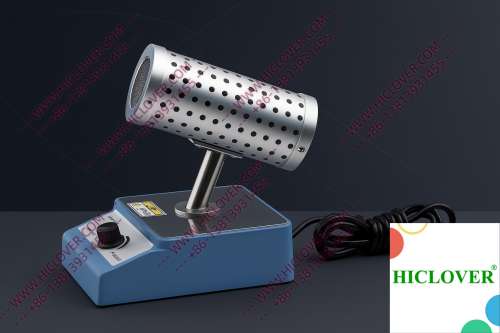
In the fast-evolving field of medicine and scientific research, the challenge of maintaining optimal biosafety standards is paramount. With an increased emphasis on laboratory cleanliness, hospitals in Joliet and across the globe are revolutionizing their sterilization processes with sophisticated technologies. One such vital advancement is the use of Micro Incinerator / Infrared Inoculating Loop Sterilizers, which is transforming how laboratories manage contamination control and sterilization workflows.
The Need for Efficient Sterilization in Laboratories
Laboratories face numerous biosafety challenges, ranging from the handling of pathogenic microorganisms to ensuring that all instruments are free from contamination. In settings like BSL-2 and BSL-3 microbiology labs where biohazardous agents are handled, the demand for rapid thermal sterilization is critical. Traditional flame sterilization methods, such as alcohol lamps and Bunsen burners, are not only time-consuming but can also pose safety risks, including flare-ups and aerosolization. The need for more efficient and safe sterilization methods is evident.
Understanding the Technical Principles of Micro Incinerators
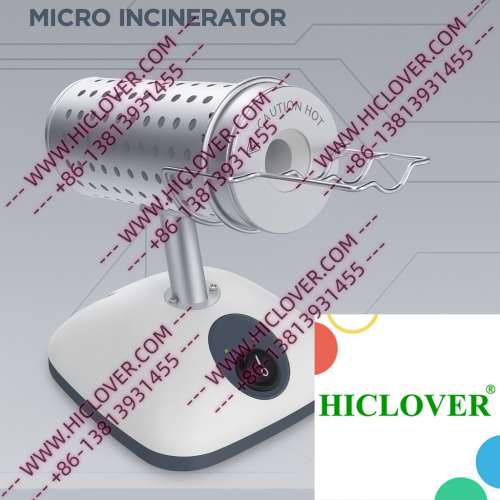
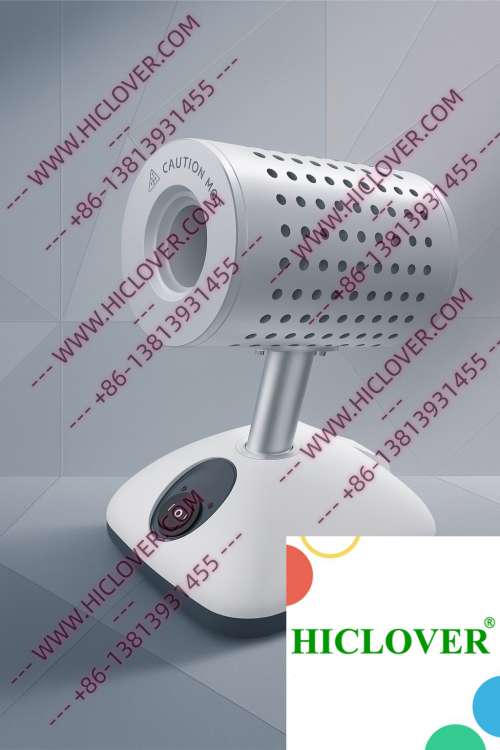
The Micro Incinerator operates on the principle of infrared heat, providing a rapid, high-temperature disinfection process that is both effective and safe. This device utilizes a ceramic heating chamber that provides enclosed heating, minimizing the risk of exposure to flames or hazardous aerosols. Unlike traditional methods, this sterilizer offers a clean-bench-safe environment suitable for use in various laboratory settings.
Some notable features of the Micro Incinerator include:
- Fast heating times, typically reaching sterilization temperature within seconds.
- Energy-efficient, reducing overhead costs associated with prolonged heating periods.
- Compact design, making it suitable for various laboratory settings, including crowded biosafety cabinets.
- Controlled temperature settings, ensuring precise sterilization without damaging heat-sensitive equipment.
Application Scenarios in Real Labs
Application in Teaching Labs
In university teaching labs, where students are trained to handle infectious agents, the Micro Incinerator serves a dual purpose. It not only ensures that all inoculating loops and other tools are appropriately sterilized but also instills safety practices among future healthcare professionals. The ease of use makes it an ideal educational tool, allowing students to focus on learning without the distractions or dangers posed by open flames.
Utilization in Field Testing Labs
Field testing labs require mobile equipment that can provide consistent sterilization offsite. The Micro Incinerator’s compact and lightweight design allows it to be easily transported to various locations, ensuring reliable sterilization of samples collected in the field. This is particularly crucial for clinical diagnostics and environmental testing, where contamination could lead to inaccurate results.
Compliance with Biosafety Standards
Compliance with biosafety standards is non-negotiable in laboratory operations. The World Health Organization (WHO) provides guidelines on laboratory biosafety to prevent exposure to infectious agents. Additionally, laboratories are required to adhere to sterilization standards that prohibit open flames in clean room environments to minimize contamination risks. The Micro Incinerator supports compliance with these standards, providing a flame-free solution that meets stringent safety requirements.
Key Advantages of Micro Incinerators Over Traditional Flame Sterilizers
The advantages of using a Micro Incinerator over traditional flame sterilizers are significant:
- Safety: There is no risk of flames or burns, which is especially important in crowded laboratory environments.
- Efficiency: Rapid thermal sterilization reduces wait times, streamlining laboratory workflows.
- Consistent Results: Provides uniform sterilization across multiple tools and surfaces, ensuring reliable results.
- Environmentally Friendly: Reduces reliance on flammable liquids and provides a more eco-friendly option.
Comparison Table: Micro Incinerator vs. Flame Burners
| Feature | Micro Incinerator | Flame Burner |
|---|---|---|
| Safety | No flame, enclosed heating | Open flame, risk of burns |
| Heating Time | Seconds | Minutes |
| Portability | High | Medium |
| Contamination Risk | Low (no aerosols) | Higher (aerosol generation) |
FAQs About Micro Incinerators
1. What are the primary uses of a Micro Incinerator in laboratories?
The Micro Incinerator is primarily used for sterilizing inoculating loops, needles, and other laboratory tools, ensuring they’re free from contamination before use.
2. How does the Micro Incinerator differ from traditional sterilization methods?
It utilizes infrared heat for rapid sterilization without open flames, reducing the risk of burns and contamination compared to alcohol lamps and Bunsen burners.
3. Is a Micro Incinerator compliant with WHO biosafety standards?
Yes, its flame-free design and effective sterilization capabilities align with WHO biosafety guidelines, making it suitable for safe laboratory operations.
4. Can a Micro Incinerator be used in field testing scenarios?
Absolutely! Its compact and portable design makes it ideal for use in mobile laboratories, allowing for effective sterilization regardless of the location.
5. What safety measures should be taken when using a Micro Incinerator?
While it is safer than flame methods, always follow the manufacturer’s instructions, ensure the device is used on a stable surface, and be aware of the hot surfaces after use to prevent burns.
Conclusion
As Joliet hospitals and laboratories seek to enhance their cleanliness and biosafety practices, integrating the Micro Incinerator / Infrared Inoculating Loop Sterilizer into their workflows is a groundbreaking step. With its range of benefits—from rapid sterilization to heightened safety—it stands out as a superior choice over traditional flame sterilizers. For those in the market for innovative laboratory sterilization equipment, we invite you to explore purchasing options and elevate your lab’s sterilization standards today.
Categories:
Tags: