
The realm of laboratory biosafety is constantly evolving to meet the rigorous demands of sterilization workflows. With the increasing complexity of laboratory practices, especially in Lisbon hospitals, the traditional methods of sterilization, such as alcohol lamps and Bunsen burners, are facing scrutiny. The integration of innovative devices like the Micro Incinerator, specifically the Infrared Inoculating Loop Sterilizer, is proving to be a game changer in enhancing efficiency and safety in medical waste management and contamination control.
The Technical Principle Behind Micro Incinerators
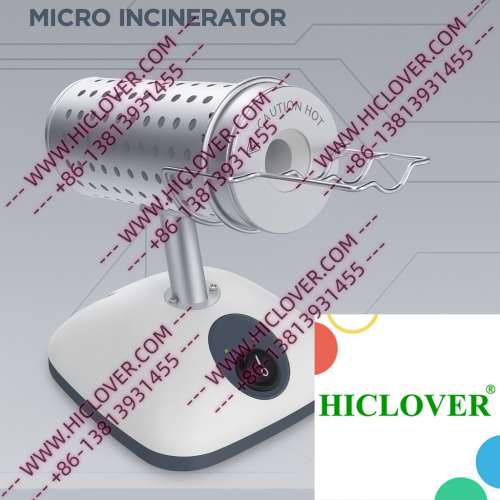
The core technology of micro incinerators lies in their ability to harness infrared heat to achieve rapid thermal sterilization. The device consists of a ceramic heating chamber enclosed within a protective casing that ensures safe operation while generating uniform high-temperature disinfection. This functionality allows for a clean, flame-free environment where aerosols are minimized, making it especially suitable for cleanrooms and biosafety cabinets.
Unlike traditional sterilizers, which rely on direct flame, the Micro Incinerator’s design allows for precise temperature control, ensuring that the inoculating loops and other laboratory tools reach the necessary temperatures to effectively kill pathogens without the risks associated with open flames. This precision not only enhances safety but also reduces the likelihood of cross-contamination, a primary concern in BSL-2 and BSL-3 microbiology labs.
Application Scenarios in Real Labs
- Biosafety Cabinet Usage: In a busy Lisbon hospital, laboratory technicians utilize micro incinerators inside biosafety cabinets to sterilize inoculating loops and other small tools. This ensures that the operations remain aerosol-free and contamination is meticulously controlled while working with sensitive samples.
- University Teaching Labs: In educational environments, the practicality of using a Micro Incinerator allows students in microbiology courses to learn proper sterilization techniques without the hazards posed by traditional flame burners. The ergonomic design and ease of use facilitate an effective learning atmosphere while upholding adherence to safety standards.
- Improved Safety: The absence of open flames minimizes fire risks, crucial in high-stakes environments such as hospitals.
- Enhanced Efficiency: Rapid thermal sterilization reduces wait times, allowing for immediate use of sterilized equipment.
- Contamination Control: The enclosed design of the Micro Incinerator ensures aerosol-free handling, maintaining a cleaner workspace.
- Temperature Precision: Provides consistent and controlled heating, surpassing traditional methods which can yield uneven results.
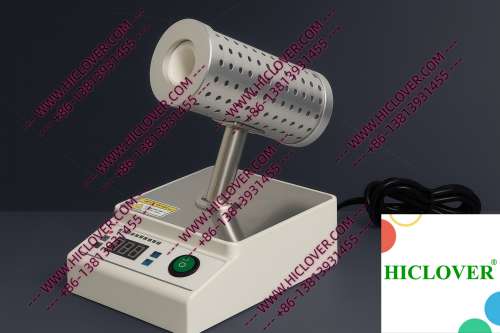
Compliance with International Standards
The importance of biosafety compliance in laboratory environments cannot be overstated. The World Health Organization (WHO) and local health authorities have established comprehensive biosafety regulations to mitigate risks associated with laboratory work. Micro Incinerators align with these compliance mandates through their advanced sterilization capabilities, thus supporting the safe handling of potentially hazardous biological materials.
For facilities in Lisbon, using a Micro Incinerator in alignment with lab sterilization standards significantly reduces risks associated with open flames in cleanrooms, meeting both local health protocols and international biosafety guidelines.
Advantages Over Traditional Flame Sterilizers
Micro Incinerator vs. Traditional Flame Sterilizers
| Features | Micro Incinerator | Traditional Flame Sterilizers |
|---|---|---|
| Safety | No open flames; reduces fire hazard | Risk of burns and fire hazards |
| Efficiency | Rapid thermal sterilization | Varied heating times |
| Contamination | Aerosol-free design | Potential for aerosol generation |
| Ease of Use | Simple operation; minimal training required | Requires knowledge of flame management |
FAQs on Micro Incinerators
1. What types of labs benefit from using micro incinerators?
Micro incinerators are ideal for BSL-2 and BSL-3 laboratories, clinical diagnostics, teaching labs, and mobile field testing setups.
2. How do micro incinerators promote biosafety?
By eliminating open flames and providing precise temperature control, they enhance the overall safety and effectiveness of laboratory sterilization processes.
3. Are micro incinerators easy to operate?
Yes, micro incinerators are designed for ease of use, requiring minimal training to operate effectively, making them suitable for both professional and educational environments.
4. Can micro incinerators be used in cleanrooms?
Absolutely. Their flame-free design and contamination control features make them an excellent choice for cleanroom environments.
5. How does the cost compare to traditional flame sterilizers?
While the initial cost may be higher, the overall advantages in safety, efficiency, and compliance can provide significant long-term savings.
Conclusion: Elevate Your Lab Practices with Micro Incinerators
The rise of micro incinerators, particularly the Infrared Inoculating Loop Sterilizer, marks a significant advancement in laboratory sterilization practices in Lisbon and beyond. For laboratory supply distributors, hospitals, universities, and research centers looking to enhance their sterilization processes while ensuring compliance with biosafety regulations, investing in this innovative technology is a forward-thinking choice.
Contact us today to learn more about optimizing your laboratory workflows and enhancing safety standards with Micro Incinerators!
Categories:
Tags: