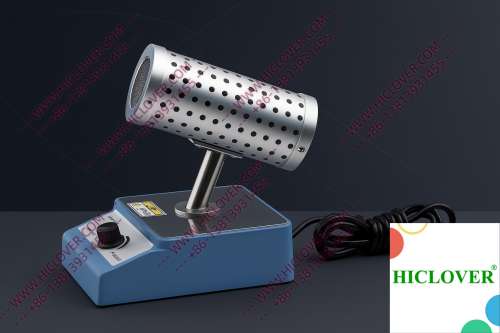
As laboratories continue to combat contamination in various environments, the demand for reliable sterilization equipment has never been higher. Traditional methods of sterilization using flame sterilizers, such as Bunsen burners and alcohol lamps, often bring risks of aerosol generation and fire hazards—especially in sensitive areas like biosafety cabinets or clean rooms. This article explores how Micro Incinerators and Infrared Inoculating Loop Sterilizers are transforming sterilization procedures within medical universities in Harbin, alleviating these challenges effectively.
Technical Principles of Micro Incinerators
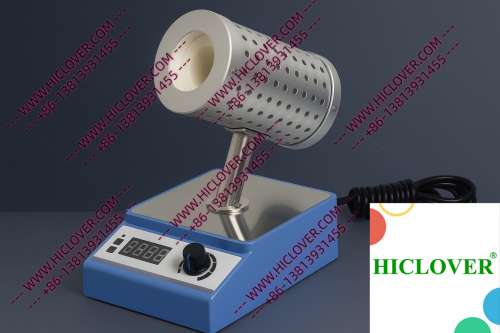
The Micro Incinerator, or Infrared Inoculating Loop Sterilizer, operates on advanced thermal disinfection principles. At the core of this device is a ceramic heating chamber that generates rapid thermal sterilization by using high-intensity infrared heat. This enclosed system ensures that temperatures can reach the required levels for sterilization while minimizing the release of aerosols and maintaining a clean environment. The heating element can reach levels exceeding 800°C, allowing for quick and efficient disinfection of inoculating loops, needles, and other lab tools within seconds.
Advantages Over Traditional Flame Sterilizers
- Safety: Eliminates flame hazards, especially in clean benches.
- Speed: Achieves sterilization in mere seconds compared to flame burners.
- Contamination Control: Reduces aerosol generation, providing a safer work environment.
- Energy Efficiency: Utilizes lower energy levels than conventional flame methods.
Application Scenarios in Modern Laboratories
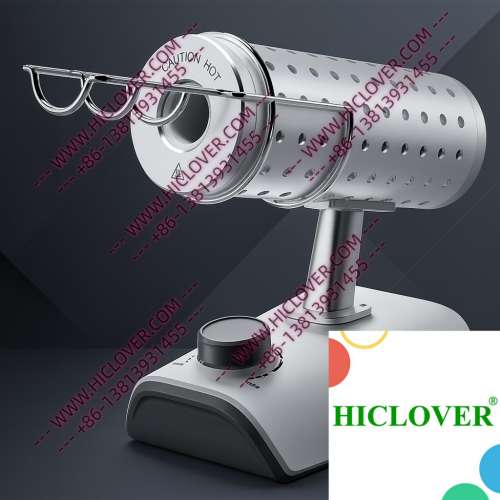
Micro Incinerators are versatile tools that find numerous applications in various laboratory settings. Below are two specific scenarios demonstrating their importance:
1. Classroom Applications in University Teaching Labs
In the teaching labs of medical universities in Harbin, students often perform sensitive microbiological procedures. The use of Micro Incinerators ensures that students can safely sterilize their inoculating loops without the dangers associated with flames. The compact and portable design allows instructors to integrate sterilization training easily into their curricula, enhancing students’ understanding of biosafety protocols.
2. Improved Practices in BSL-2 / BSL-3 Laboratories
In BSL-2 and BSL-3 microbiology labs, the unpredictable nature of certain pathogens necessitates stringent sterilization methods. Micro Incinerators play an essential role by providing a clean, flame-free alternative that aligns with the stringent controls needed for handling infectious agents. Their operation within a biosafety cabinet reduces the risk of cross-contamination, making them a vital component of laboratory work aimed at ensuring human health and safety.
Compliance with Biosafety Standards
Adhering to international biosafety standards is crucial for laboratories engaging with pathogenic organisms. The World Health Organization (WHO) sets guidelines that govern sterilization practices to minimize the risk of contamination. Local regulations in Harbin align with these standards, requiring laboratories to establish strictly controlled environments that often explicitly prohibit the use of open flames in clean rooms.
By utilizing Micro Incinerators, laboratories can operate in compliance with these biosafety standards. Their flame-free operation supports the need for sterilization within controlled settings, ensuring that practices are not only effective but also environmentally responsible. Additionally, the easy maintenance and compact nature of these devices make them suitable for setting up mobile or field testing labs without compromising safety.
Frequently Asked Questions
What is the main advantage of using a Micro Incinerator over traditional flame sterilizers?
Micro Incinerators provide a safer sterilization method that reduces the risk of fire hazards and aerosol generation, thus maintaining a more controlled environment.
Can a Micro Incinerator be used in BSL-3 laboratories?
Yes, Micro Incinerators are designed to meet the stringent safety and compliance standards necessary for use in BSL-2 and BSL-3 labs.
How quickly does a Micro Incinerator achieve sterilization?
The Micro Incinerator can sterilize inoculating loops and tools in just a few seconds, significantly streamlining the sterilization workflow.
Does the use of Micro Incinerators contribute to environmental safety?
Absolutely. They eliminate the use of harmful chemicals often associated with other sterilization methods and minimize the risk of flame-related accidents, making them environmentally friendly.
What maintenance is required for a Micro Incinerator?
Routine maintenance involves cleaning and occasional calibration to ensure optimal temperature accuracy and efficiency.
Conclusion
Micro Incinerators or Infrared Inoculating Loop Sterilizers are redefining the landscape of laboratory sterilization in Harbin’s medical universities. By prioritizing safety, efficiency, and compliance with stringent biosafety regulations, these innovative devices are paving the way for improved laboratory practices. For those looking to enhance sterilization workflows in their own facilities, consider contacting our team today for more information on procurement and integration of Micro Incinerators into your laboratory environment.
Categories:
Tags: