
In the field of laboratory research, effective waste management and sterilization are critical components that often lead to biosafety challenges. Labs dealing with potentially hazardous materials must prioritize contamination control and efficient sterilization methods. Traditional methods, such as flame sterilizers like alcohol lamps and Bunsen burners, pose significant risks, including burned samples and aerosols that could threaten safety. Here, we explore how [Manufacturer Name] is at the forefront of revolutionizing waste management with their innovative Micro Incinerator, particularly the Infrared Inoculating Loop Sterilizer, designed to meet the stringent requirements of laboratory sterilization equipment.
The Technical Principle Behind Micro Incinerators
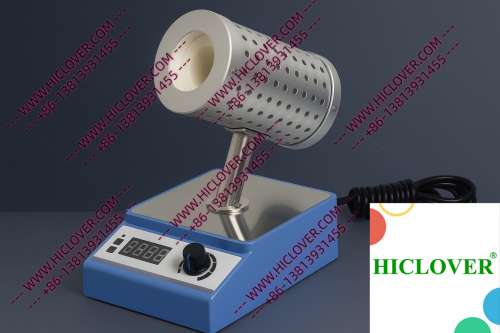
The Micro Incinerator operates on the principle of rapid thermal sterilization utilizing infrared heat. Unlike conventional flame-based tools, this device employs an enclosed ceramic tube that provides high-temperature disinfection without the open flame risks associated with traditional sterilizers. The infrared rays generated are directed efficiently at the inoculating loops or tools being sterilized, guaranteeing a thorough disinfection that is both rapid and effective. This configuration not only increases the safety profile of laboratory operations but also significantly minimizes the risk of cross-contamination.
Usage Scenarios in Real Laboratories
Micro Incinerators are transforming sterilization practices across various laboratory settings. Here are two common application environments:
- Biosafety Cabinets: Within BSL-2 and BSL-3 microbiology labs, the Micro Incinerator offers aerosol-free handling of sterilization. Researchers can confidently sterilize inoculating loops and tools without the hazards of open flames, ensuring that sensitive experiments remain uncontaminated.
- Teaching Labs: In university settings, safety education is paramount. The Micro Incinerator empowers instructors and students to understand sterilization techniques without the perils of flame-based methods. Its clean-bench-safe design allows extensive use in learning environments, ensuring students practice proper biosafety measures from the outset.
Compliance and Environmental Considerations
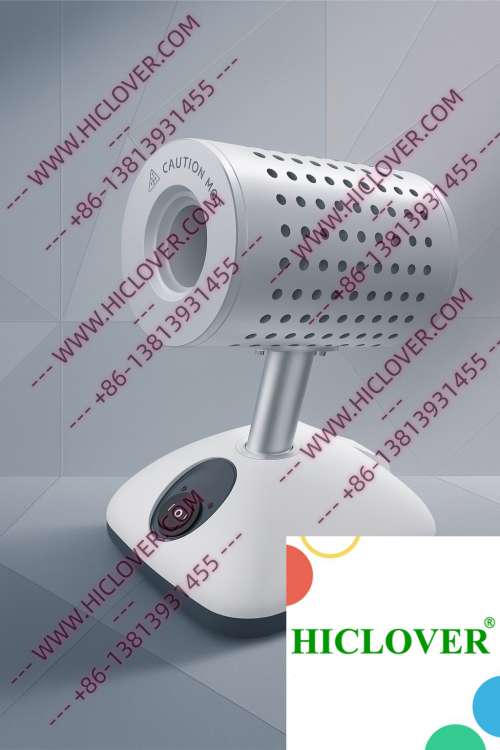
Meeting global biosafety standards is a non-negotiable aspect of research labs. The World Health Organization (WHO) has outlined specific lab sterilization regulations designed to protect not just workers but also the wider community. Flame sterilizers often conflict with these guidelines, especially in clean rooms where open flames are banned due to contamination risks. The Micro Incinerator aligns perfectly with these compliance requirements, providing a safe, effective solution for sterilization without the disadvantages attached to traditional flame systems.
Advantages Over Traditional Flame Sterilizers
Micro Incinerator vs. Traditional Flame Sterilizers
| Features | Micro Incinerator | Flame Sterilizers |
|---|---|---|
| Flame Risk | No open flame, reduced risk of fire | Open flame, high risk of fire and burns |
| Efficiency | Rapid thermal sterilization | Slower, less controlled heating |
| Contamination Control | Aerosol-free handling | Aerosols created during use |
| Ease of Use | Simple operation; no fuel needed | Require fuel and maintenance |
| Portability | Compact and portable design | Often bulky and cumbersome |
Frequently Asked Questions
What is the advantage of using a Micro Incinerator over a Bunsen burner?
The Micro Incinerator offers enhanced safety due to its closed design, rapid sterilization capability, and elimination of flame risks, making it far superior in high-contamination environments.
Can the Micro Incinerator be used in a clean-room setting?
Absolutely! The Micro Incinerator is designed for use in clean rooms where open flames are prohibited, aligning with strict environmental safety standards.
How does the Micro Incinerator handle contamination?
With its aerosol-free handling and rapid sterilization features, the Micro Incinerator effectively eliminates contamination risks associated with traditional flame sterilizers.
Is the Micro Incinerator suitable for field testing labs?
Yes, due to its compact design and efficient operation, it is perfect for mobile or field testing applications, providing reliable sterilization on-site.
What types of labs can benefit from using the Micro Incinerator?
Biosafety labs, clinical diagnostics, university teaching labs, as well as mobile testing setups can significantly benefit from the operational advantages of the Micro Incinerator.
Conclusion
In an age where laboratory safety and compliance are more crucial than ever, the Micro Incinerator from [Manufacturer Name] emerges as a pioneering solution in sterilization technology. Its advanced features not only streamline laboratory workflows but also uphold the highest biosafety standards. For laboratories and research centers looking to enhance their waste management systems and meet stringent regulations, the Micro Incinerator is an invaluable investment. Contact us today to learn more about how our products can revolutionize your lab practices.
Categories:
Tags: